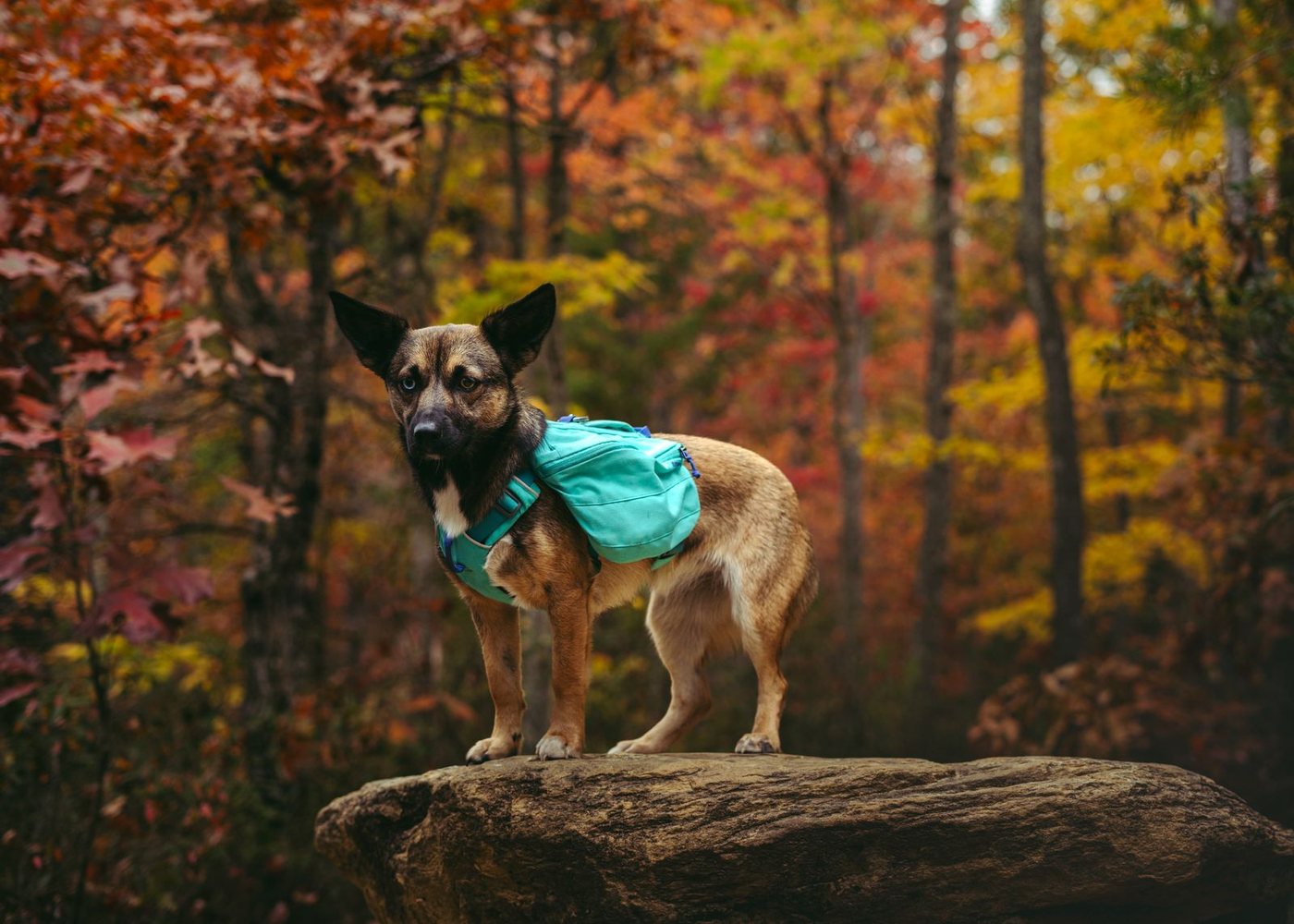
Saturday morning, first cold snap of October. You pull on boots, the dog hears the boot noise, and by the door you are holding a leash and a half-empty bag of treats from last week. The trailhead is twenty minutes away. You go anyway, it turns out fine, and that is how most of us end up underprepared for the best hiking month of the year.
None of it takes much gear to fix, and most of the hazards waiting out there sit in the top two inches of the ground.
Match the trail to the dog you have
A five-mile climb is a normal morning for a two-year-old cattle dog and a bad idea for a ten-year-old lab with a stiff hip. The American Kennel Club’s hiking guide treats dogs as individuals here: check with your vet about what your dog can handle, be careful with puppies because growing bones are not built for long descents, and keep the mileage honest for seniors.
Check the rules before you drive, too. Plenty of parks allow dogs on pavement and not on trails, and some allow neither. A twenty-minute phone call is cheaper than a fine.
Then start shorter than you think you should. A two-mile loop on a cool morning tells you more about your dog’s stamina than any plan you make on paper.
Look at what October puts on the ground
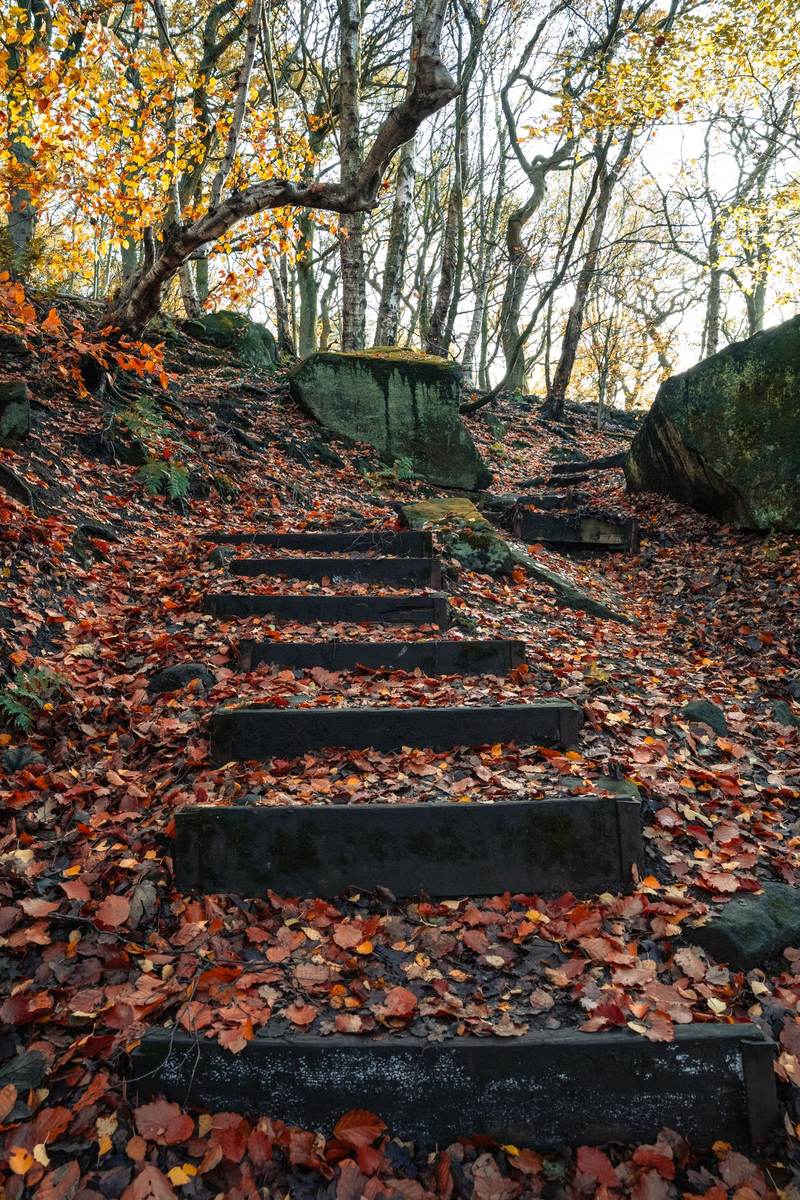
Oaks drop acorns by the thousands this month, and dogs collect them on sniff-and-graze walks. The AKC calls acorns a choking hazard and a blockage risk, and notes that the tannins in them can cause serious stomach upset. Texas A&M’s veterinary school adds the part owners usually miss: an acorn that goes down whole can lodge in the gut and need surgery to remove.
The practical moves are small. Walk wide of the trees with the heavy crop. Keep the leash on. Keep a sharp “leave it” ready. If your dog does swallow one, watch for vomiting, drooling, or going off food, and call your vet or a pet poison line if you see any of that.
Mushrooms come up fast after the first real rain, and identifying them in the field is a specialist’s job. Treat every one as the bad kind. Fallen leaves hide one more thing: ticks stay active until the temperature drops below freezing, and leaf litter is where they wait. Plan the body check for the trailhead, not for later in the evening when everyone is tired.
What goes in the bag
A lap around the park needs water and treats. A real trail gets a kit. This one fits in a single stuff sack:
- Water for your dog and a collapsible bowl. Dogs cool themselves by panting, not sweating, so they overheat faster than we do.
- Poop bags, plus one extra
- A 6-foot leash, with a spare looped onto the pack in case the first one breaks
- Treats in a pocket you can reach without stopping
- A tick comb or fine-tipped tweezers
- A small first aid kit: gauze, vet wrap, styptic powder
- A towel for the car seats, plus paw balm or boots if the ground is rocky
- A light jacket for short-coated and small dogs once mornings drop below 50
If your dog can carry their own gear, a fitted pack takes the water bottle and the bowl off your shoulders. That takes a few weeks of short, treat-heavy sessions, and the whole progression is in dog backpack training.
The five-spot check before the car ride
Two minutes, done while your dog is still happily panting:
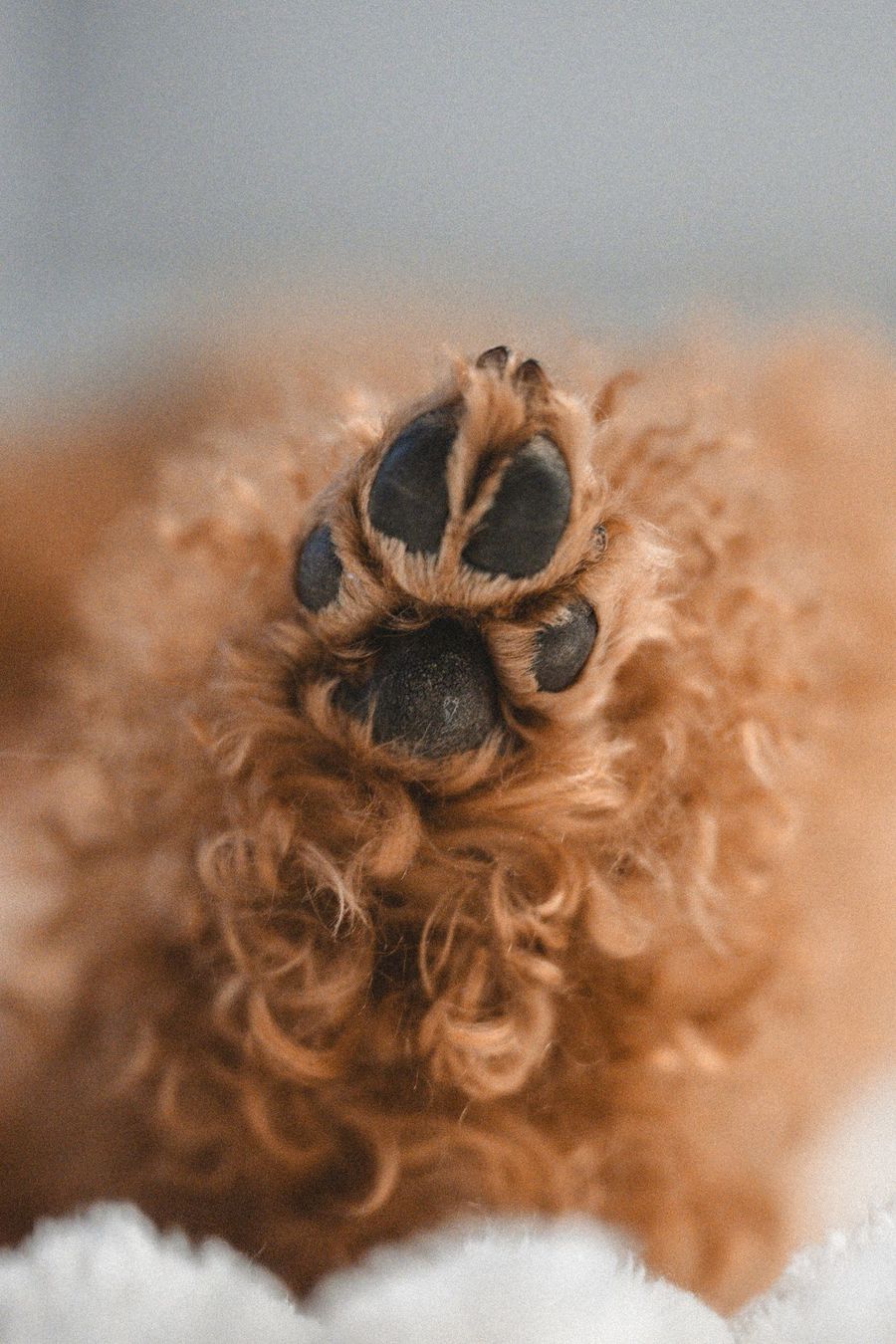
- Paws. Part the toes and look for pebbles, burrs, and sticky sap. Foxtail-type seeds need to come out, not get pushed deeper.
- Legs and armpits. Ticks favor thin skin and warm folds.
- Ears. Seeds go in while heads are down in the grass.
- Mouth. A quick look for stick splinters and leaf bits.
- Water, once more, before the nap in the back seat.
Learn the turn-around signals
Cool air makes dogs overdo it. The signs that the hike is over: stopping to sit, dropping behind on the way out after leading on the way in, hard panting on a mild day, or any limping at all. Lagging on the descent deserves its own mention, since that is where tired dogs get hurt.
Turn around while your dog still has an easy mile left. Then the walk back to the car is a happy one for both of you.
Keep it ready for the next one
Pack the kit once and hang it by the door with the leash. Refill the water, swap the wet towel for a dry one, and the next crisp Saturday starts with the boot noise instead of a scavenger hunt.
If the leaves come home in your dog’s coat rather than on it, our fall paw cleanup routine covers the door-side half of the problem.