Every hike, same story. I’m the one hauling the water bottles, the collapsible bowl, the snacks, the poop bags, and the soggy tennis ball she fished out of a puddle. She trots ahead, light as a feather, stopping every ten feet to sniff something deeply important.
Then I watched a friend’s dog come down the trail wearing a little saddlebag pack, carrying his own water, looking extremely pleased with himself. Turns out a dog backpack is work gear. Most dogs are desperate for a job, and this one comes with a trail attached.
Why your dog wants a job
Dogs bred to work, like herding and sporting breeds, don’t switch that instinct off when they move into your living room. A backpack gives them a purpose. They are hauling supplies, which means the walk matters. The American Kennel Club points out that carrying gear boosts a dog’s mental well-being and can head off problem behaviors like excessive barking that crop up when a dog has no outlet for their energy.
A weighted pack is also a workout hack. Add a few pounds and a stroll around the block turns into a conditioning session. That is how you tire out a high-energy dog in about half the time.
One bonus that surprised me: even an empty pack helps some dogs. The gentle pressure around the torso works like a calming vest, which can settle anxious or fearful dogs on busy streets.
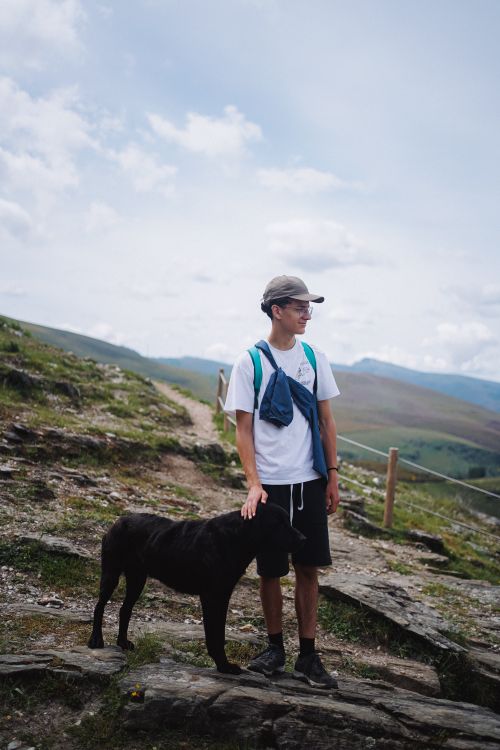
Is your dog a candidate?
Not every dog should wear a pack. Puppies who are still growing, seniors with arthritis, and dogs carrying extra weight should skip it, or wear an empty pack at most. Extra pounds strain joints that are already working hard. The same goes for dogs with back problems, hip or elbow dysplasia, heart conditions, or breathing trouble. When in doubt, ask your vet before you buy anything.
The 10 percent rule
Here is the number to remember: the pack plus everything in it should weigh no more than 10% of your dog’s body weight. A 20-pound dog carries up to 2 pounds. That is water, bowl, snacks, the works. A well-conditioned dog may handle a little more with vet approval, but 10% is the safe starting line, per the AKC’s backpack guide.
Weight distribution matters just as much. Split the load evenly from side to side. Full water bottles on one side and poop bags on the other will throw off your dog’s gait and make the whole walk miserable. Dried beans or rice in the pouches let you fine-tune the weight, and leave sharp objects like car keys at home.
Fitting the pack right
A good fit is the difference between a happy hiker and a chafed one. Straps should be snug enough that the pack does not slip or swing, loose enough that you can slide one or two fingers under each strap. The pack should sit evenly on both sides of the body. If it bounces with every step, it is too loose.
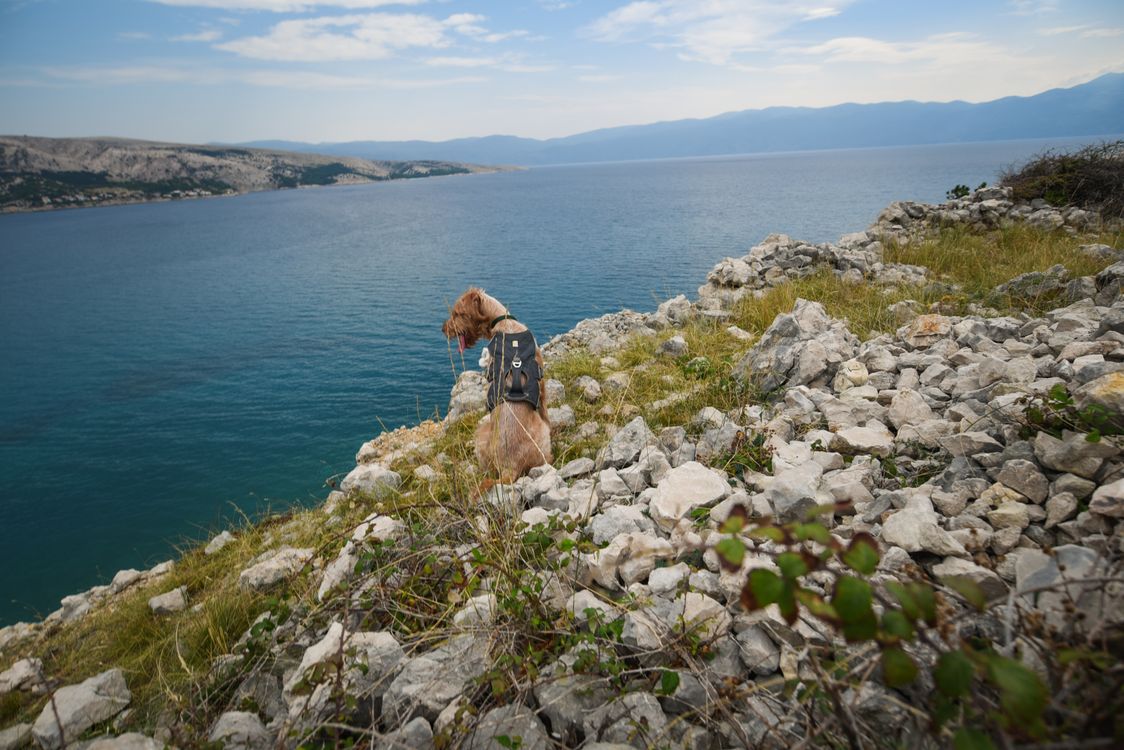
A 5-step routine to get there
You cannot buckle a pack on and hit the trail the same day. Dogs need to learn that the pack is a good thing. Spread this routine over several days, and check AKC’s hiking tips before your first real trail day:
- Let your dog sniff the empty pack, then drape it over their back like a blanket with the straps undone. Treat and praise, then take it off.
- Repeat until your dog wags when the pack comes out. Then close the clasps, reward, remove.
- Tighten the straps a little each session. Once it fits, let your dog wander the house with it on so they get used to their new shape. Stuff it with newspaper to mimic the feel of a full pack.
- Head outside with the pack empty. Keep the first walks short and fun, with play breaks and sniff breaks and no expectations.
- Add light weight and go a little farther each week. Every time you add weight, dial back to short walks while your dog adjusts.
Before long, your dog will perk up when you grab the pack. That is the tell that they are ready.
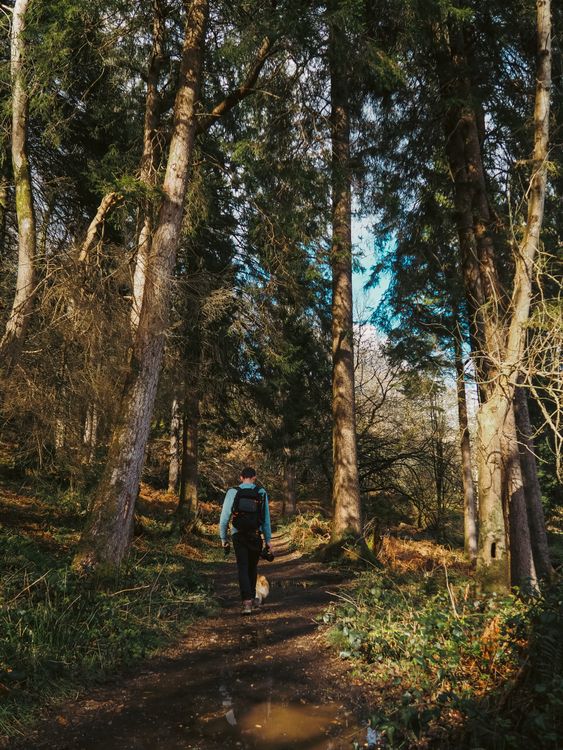
What goes in the pack
Keep it useful and light:
- Water for both of you
- A collapsible bowl
- Poop bags
- High-protein snacks for you and your dog
- A favorite toy or ball
- A small first aid kit
- A tiny flashlight
- A frozen water bottle on hot days so your dog can cool down
On warm days, remember the pack adds warmth. Early morning hikes beat midday ones.
Carry your share
Start small: a walk around the block, an empty pack, a very proud dog. Then a short trail, then a real hike. Your dog gets a job, a workout, and a reason to feel important. You get your hands back.
She still stops to sniff everything. But now she carries her own water while she does it. And when the trail is a muddy mess, a dog-friendly backyard gives her another place to burn that energy close to home.