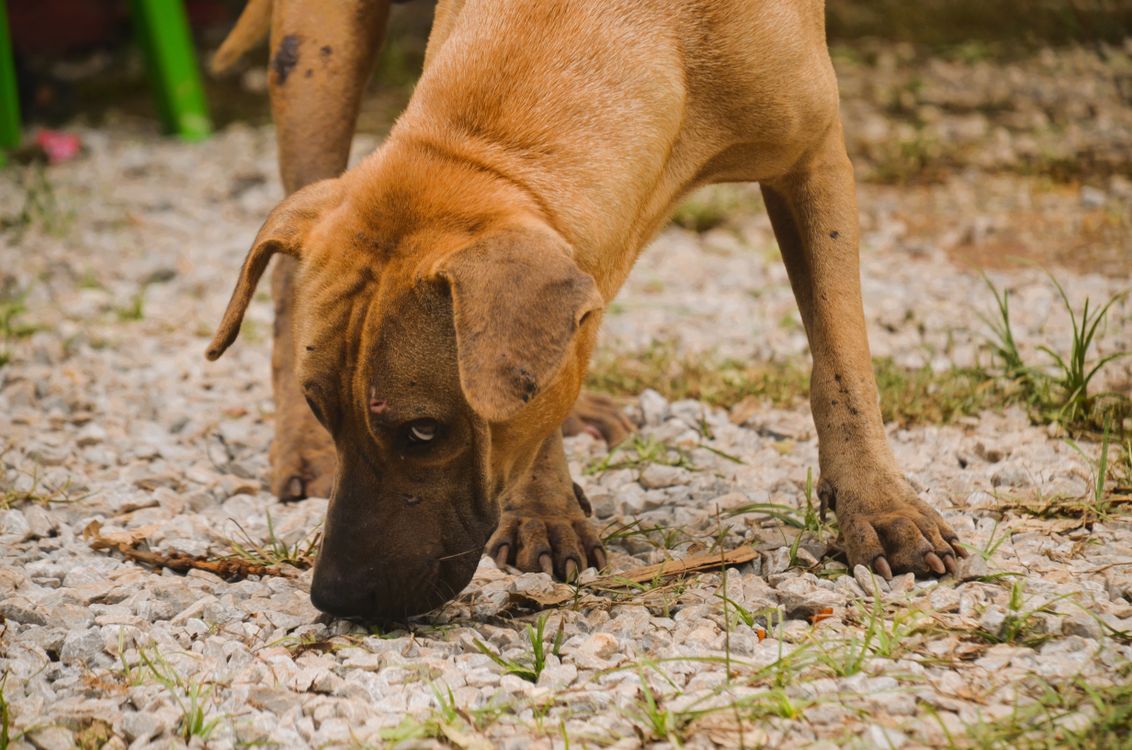
A veterinary hospital in Lake Placid, New York, warned this week that several local dogs have confirmed blastomycosis, a fungal infection that comes from soil and decaying wood. The hospital did not say how many cases, and it could not point to one specific place where dogs are picking it up.
Blastomycosis is not contagious. One dog cannot pass it to another, and a dog cannot pass it to you. What happens instead is shared exposure: several dogs walk through the same damp ground and each one breathes in spores. Wet soil near waterways, forest litter, and freshly turned earth at construction sites are the usual places. Symptoms can take five to 12 weeks to appear, so a cough in January can trace back to a walk in October.
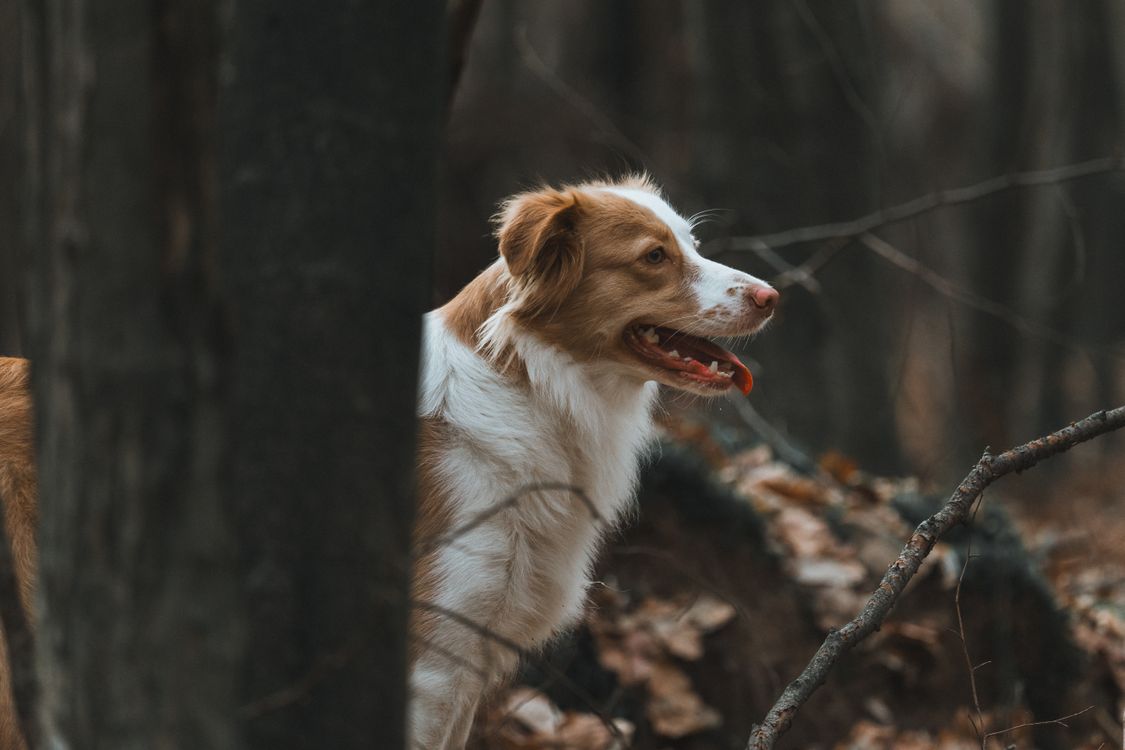
What this means for your dog: know the early signs. A cough that hangs on for weeks, trouble breathing, tiring fast on a normal route. Some dogs lose weight, go lame, or develop sores and red, runny eyes. Prescription antifungals can treat blastomycosis, and treatment works far better when it starts early. There is no vaccine, so avoidance and a fast vet visit are the whole defense.
The disease has always been common in Wisconsin and Minnesota. It has been rising in upstate New York and northern Vermont, which is what makes a cluster in the Adirondacks worth noticing. If your dog comes home coughing after a wet fall hike, say the word blastomycosis to your vet, because it is easy to treat as kennel cough. Our guide to fall hikes with your dog covers the wet-weather side of this.