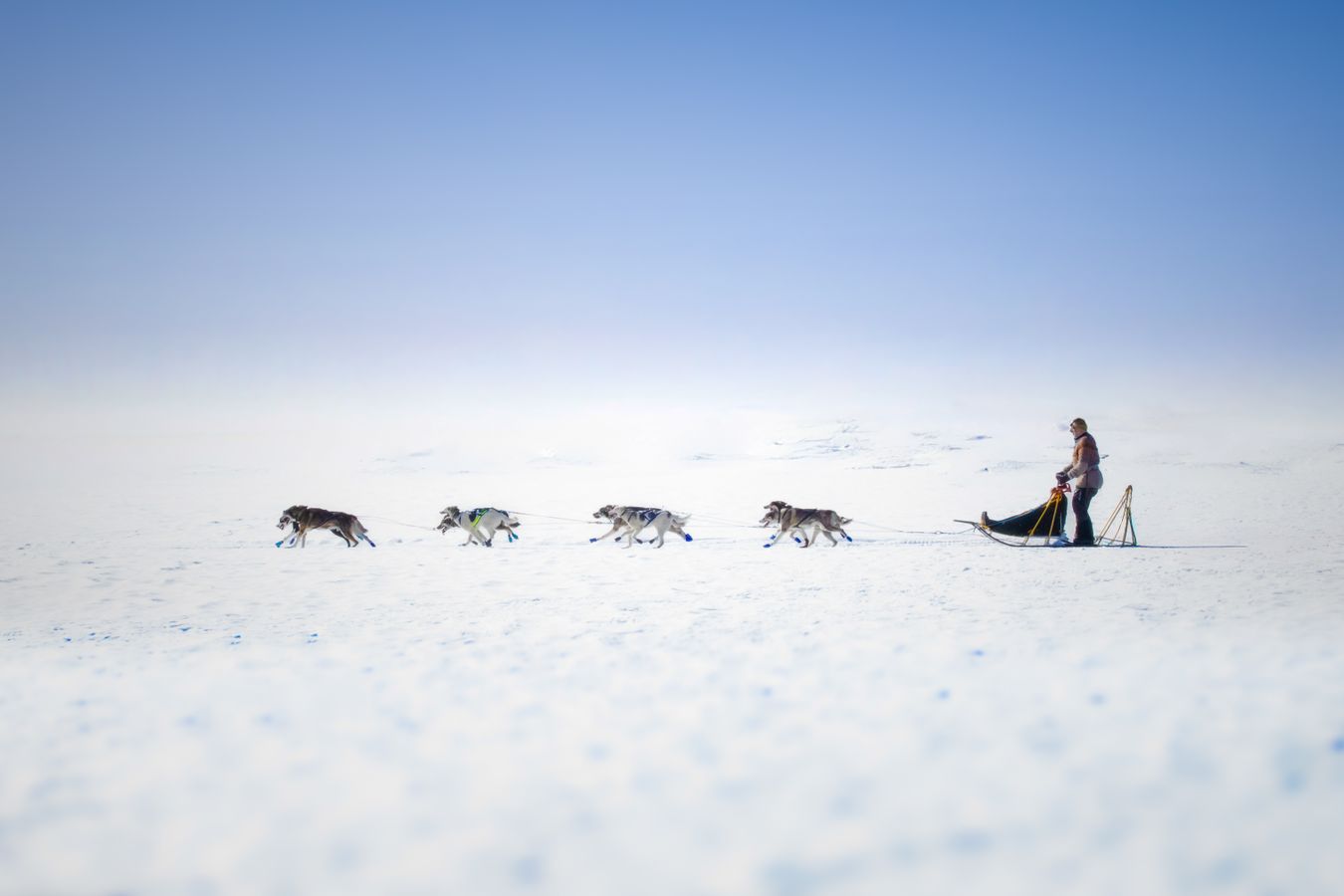
A dog who was given away as a puppy now has a home in a museum. The skeleton of Togo, who led Leonhard Seppala’s team through the worst stretch of the 1925 serum run to Nome, arrived at the University of Alaska Museum of the North in Fairbanks on September 1, after nearly a century at Yale’s Peabody Museum.
Museums trade specimens all the time. They rarely trade heroes. In exchange for the bones, Alaska sent more than 1,000 small mammal specimens from Cambodia back to New Haven, including treeshrews, a bamboo rat and a batch of microbats. The swap grew out of fieldwork that Link Olson, the Fairbanks museum’s mammal curator, did with Peabody curator Eric Sargis 20 years ago. Olson had joked about it for years. “I started joking, ‘Hey, we want Togo back,'” he told the Alaska Beacon.
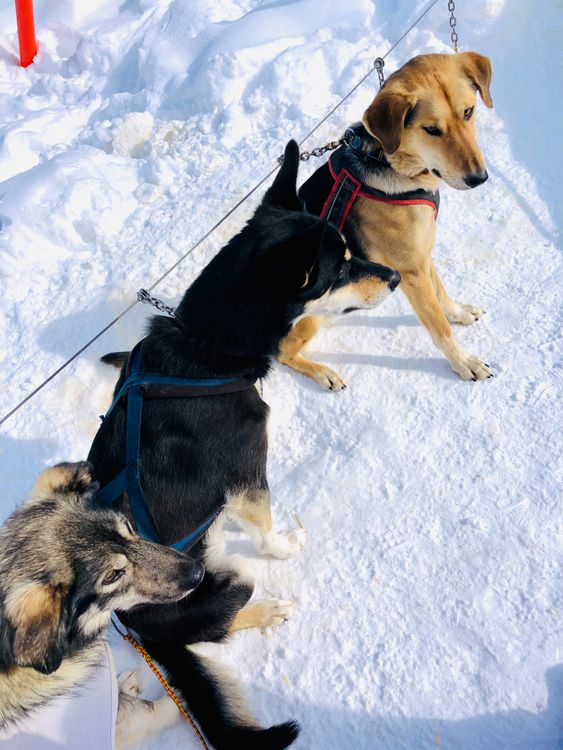
Togo ran 261 miles of the 674-mile relay, including the crossing of Norton Sound, and did it as the dog nobody expected much from. He was small and sickly as a pup, so Seppala gave him away as a pet. Togo broke through a window, ran back to the kennel and later earned a place in harness by refusing to settle down. He retired in Maine and died in 1929, with an obituary in the New York Times.
What this means for your dog: not much, unless you need a reason to stop worrying about the runt of the litter. His first months predicted nothing about his last ones. The skin mount is on display at the Iditarod Trail Committee headquarters in Wasilla, and the bones will go on view in Fairbanks once the museum settles on a plan. For more on how long dogs have pulled sleds, bones from a 2,000-year-old site tell a similar story.