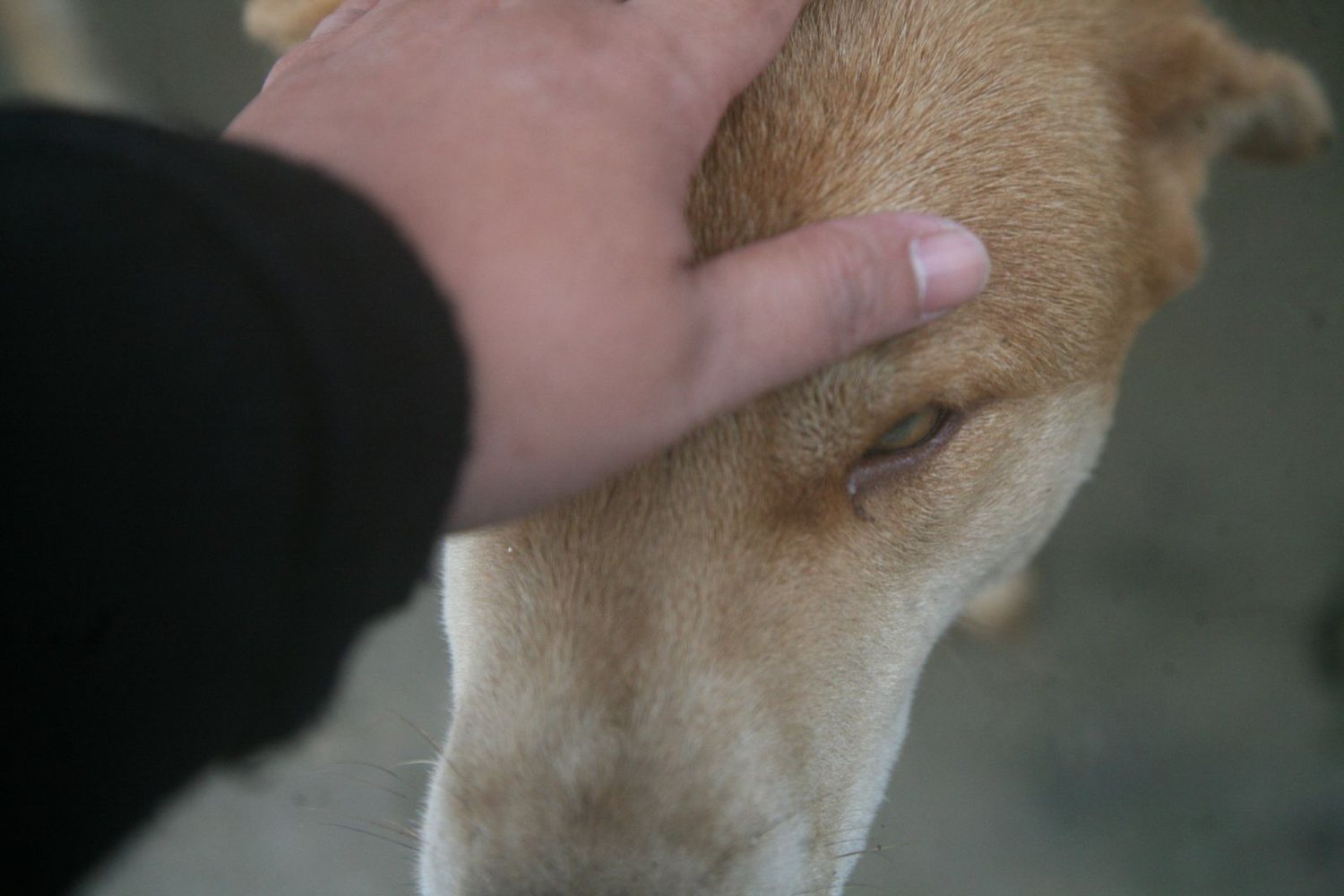
The story usually starts with four words: he bit out of nowhere. Owners say it. So do the people standing nearby.
Dogs almost never bite out of nowhere. They bite at the end of a conversation that has been going on for a while, in a language most of us were never taught to read.
A bite is usually the last thing a dog tries
When a dog is frightened, startled, or hurting, his options shrink fast. He can freeze. He can leave. Or he can make the scary thing stop, which may mean a growl, a snap, or teeth on skin.
Trainers sort these events with three questions, often called the ABCs: what happened right before, what the dog did, and what happened right after. Run a real bite through them and it stops looking random. Was someone leaning over him? Was he on a leash with nowhere to retreat? Did the person back off when he growled?
K.I.S.S. Dog Training in Kansas City makes a point worth repeating: a six month old puppy who snaps and barely makes contact is not the same case as a five year old dog with nine bites behind him. Both get called aggressive. They need different plans. Their breakdown of what really leads to a bite is worth a read.
The body signals that come before teeth
Dogs broadcast discomfort long before they use their mouths. Depending on the dog and the moment, you may see:
- Yawning, lip licking, or nose licking when there is no food around
- A mouth that suddenly closes, with the body going still and stiff
- The head turning away, or weight shifting backward
- Whale eye, where the whites show as the dog watches you sideways
- Ears pinned back or low, head lowered, tail tucked
- Panting when it is cool out and the dog has not been running
- Ground sniffing or a sudden scratch mid greeting, which buys a dog a few seconds of distance
- A lip lift, a growl, or a snap that misses
One signal proves nothing alone. A yawn can be a yawn. The information is in the pattern: the lip lick every time a toddler approaches, the head turn whenever the clippers come out. That is a dog telling you where his line is. Our guide to reading dog body language covers these signals in more detail.
Punishing a growl deletes the warning, not the fear
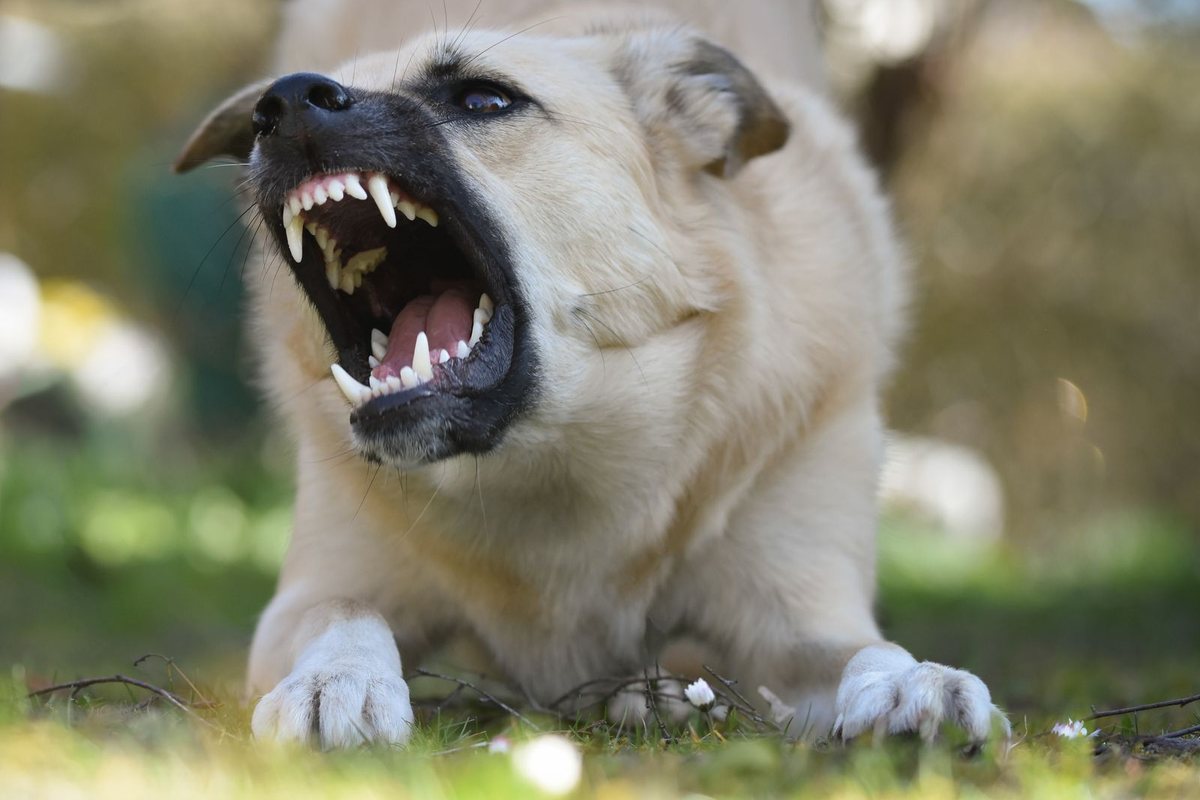
The dog growls over a bone, gets scolded, and stops growling. It looks like progress. What usually happened is that he learned warnings get punished, so he skips straight to the part with no warning attached.
Treat a growl as useful information. Change the thing he is worried about instead: more distance, a trade for something better, a quieter room.
Rule out pain before you rule in attitude
Teeth come out over pain more often than owners expect. A dog whose nail was cut too short once may grumble at the clippers for years. An older dog with arthritis tolerates handling a little less each month until the day he does not tolerate it at all. Ear infections, dental disease, and back trouble often show up first as “he got grumpy out of nowhere.” A vet check belongs near the top of the list.
Give the dog a way out
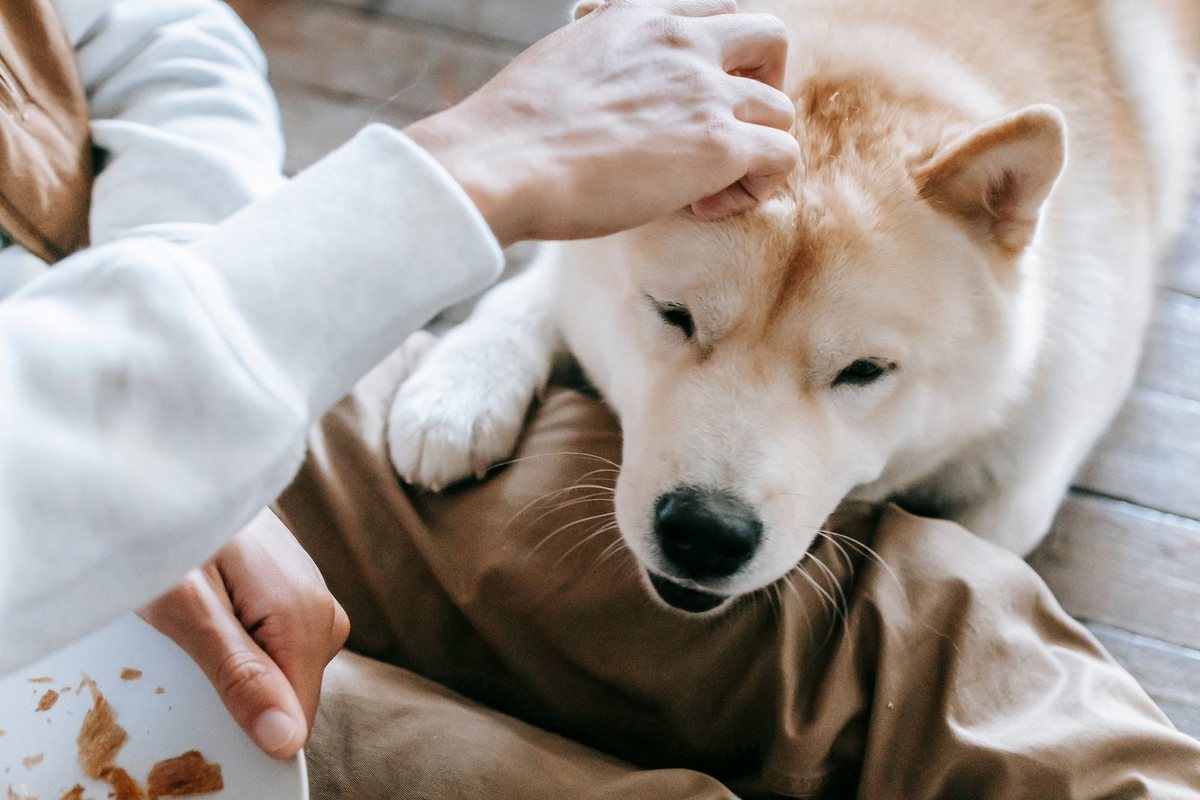
Prevention is mostly about not cornering an animal and calling it training.
- Let him leave. A dog should be able to walk away from a greeting or a room without being followed.
- Ask before you handle. Touch, pause, and see if he leans back in. If he pulls away, stop for today.
- Teach a basket muzzle before you need one, with treats through the front. A dog who is comfortable wearing one is a dog who can still go to the vet.
- Coach the kids. No hugging, no face to face, no bothering a dog who is eating or sleeping. An adult stays in the room.
- Skip setups you cannot control. Crowded parks, unfamiliar children, and holiday chaos are not places to find out how a new dog handles stress.
If your dog has been guarding food, space, or a person, our piece on resource guarding walks through a slow, low-pressure plan.
When to bring in a professional
Call someone qualified if a dog has broken skin, bitten a child, or bitten more than once. Look for a veterinary behaviorist or a certified behavior consultant who works without aversive tools. Many use a bite scale that separates a snap that never lands from a bite that needed stitches, because those two dogs need very different plans. The AKC’s overview of why dogs bite is a reasonable starting point for the range of causes.
Also worth a call: a dog who growls when touched in one spot, reactions that are getting faster or bigger, or a dog who has started guarding people.
What this means for your dog
Most dogs who bite are not dangerous dogs. They are dogs who ran out of better options in a situation a person arranged, and the fix starts with the person: fewer setups, more distance, warnings taken seriously, and a vet visit when something changed suddenly.
Watch the small stuff. The lip lick. The head turn. The pause before the growl. That is your dog asking nicely, and the answer is almost always to give him room.