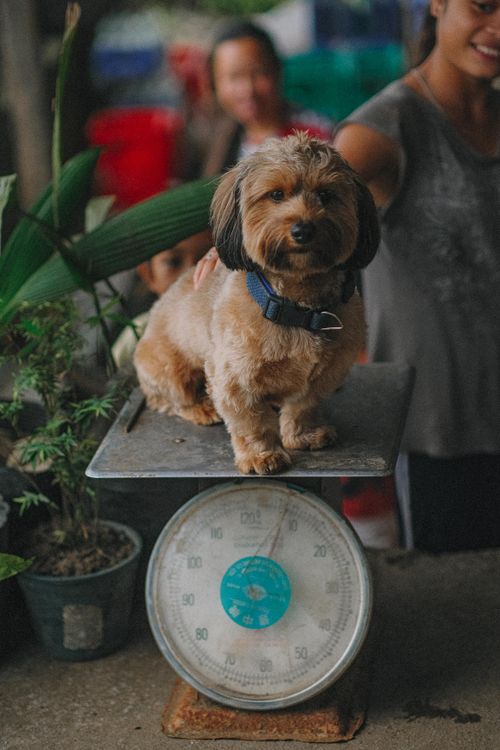
Roughly six in ten dogs carry too much weight, and the owners standing right next to them usually cannot see it. That gap came up again in a new interview with companion animal nutritionist Dr. Mary Cope, who walked through how to catch a weight problem before it turns into joint pain and other health trouble.
The at-home check takes a few seconds. Run your hands along your dog’s sides. You should feel the ribs easily under a thin layer of fat, the way the back of your hand feels. If you have to press hard to find them, or you cannot feel them at all, your dog is carrying extra weight. Looking down from above, there should be a visible waist. From the side, the belly should tuck up toward the hind legs.
What this means for your dog
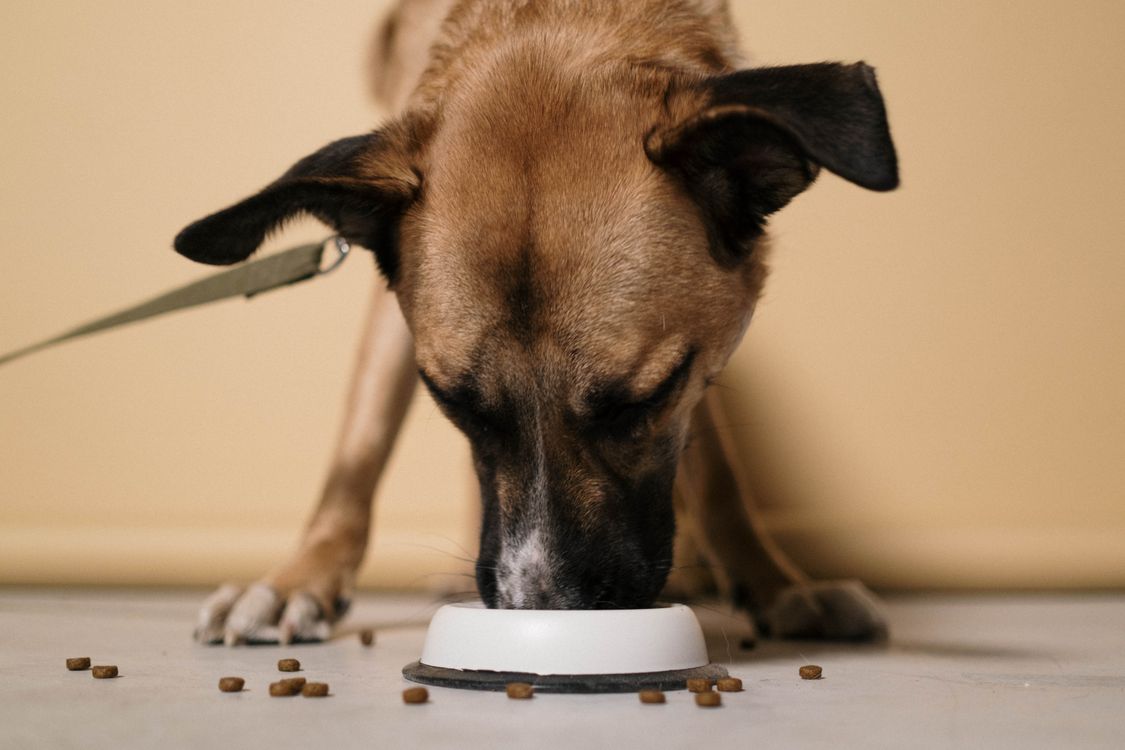
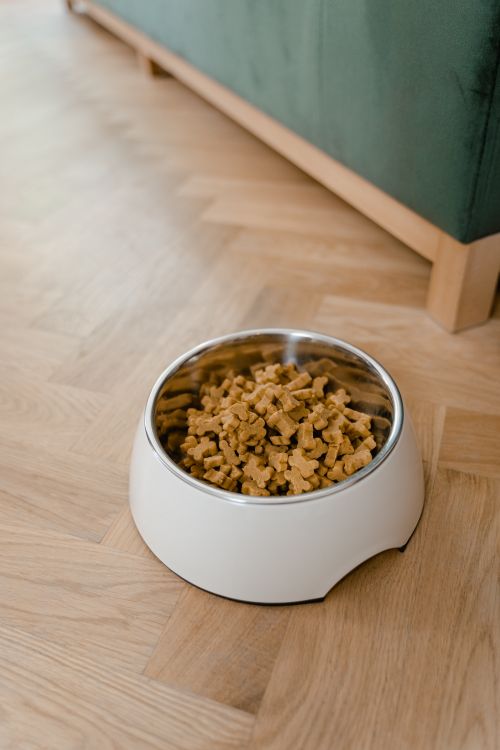
Portions usually matter more than walks. Dr. Cope notes that the amount printed on the food bag is often too generous for a dog who spends most of the day on the couch, and free-pouring kibble is where the weight creeps on. Measuring the food and trimming treats is often enough on its own. If the scale still will not move, a weight-management food with a controlled calorie count can help.
Extra weight is hard on joints, and it makes existing arthritis worse. If your older dog is slowing down, ask your vet about both their weight and pain relief, including the newer long-acting arthritis injections.
Whole Dog Journal has the full interview at whole-dog-journal.com.