
Teedee looked like a healthy poodle mix puppy. He played as hard as his littermates, and nothing about him said his heart was failing. A veterinarian found it anyway, with a stethoscope.
He was one of 38 dogs and puppies removed from a hoarding case in Benewah County, Idaho, this summer. During intake exams at Washington State University, Dr. Cassidy Cordon heard a murmur. A follow-up confirmed patent ductus arteriosus, or PDA, a blood vessel that should seal off shortly after birth and never did. Left alone, it makes the heart work harder until it gives out.
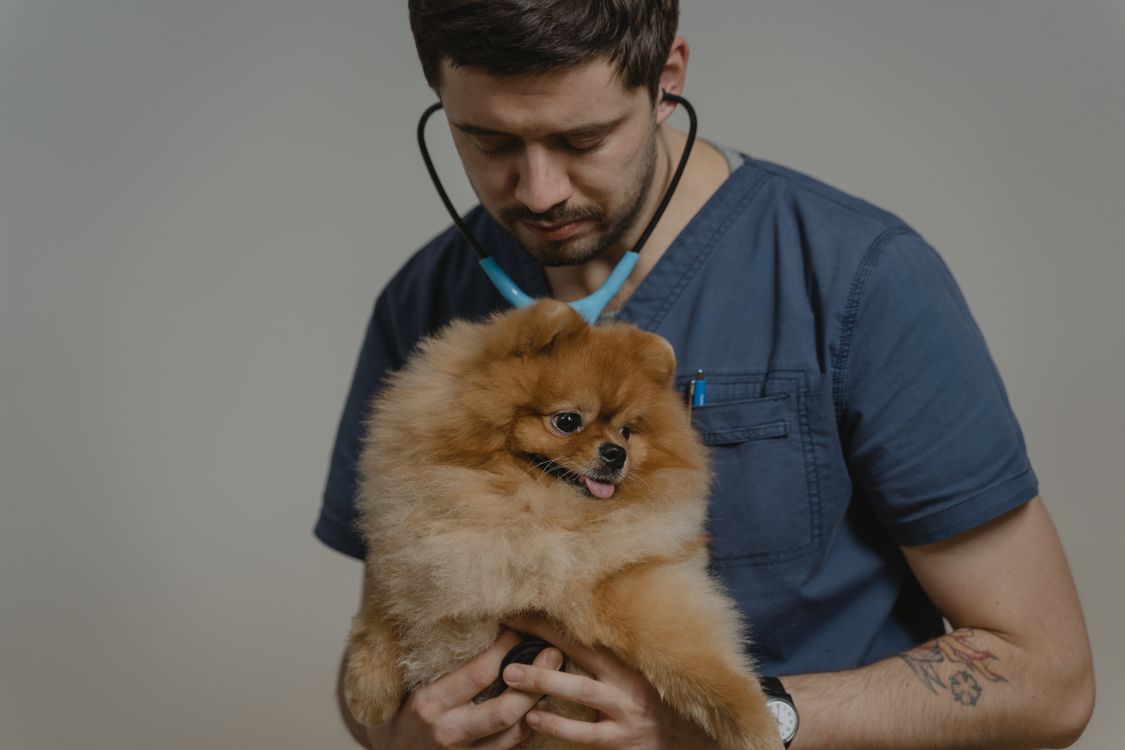
Community fundraising paid for the fix: a minimally invasive procedure at the WSU veterinary teaching hospital. Recovery was the tricky part. Teedee needed 30 days of strict rest, which is a tall order for a puppy who felt fine. Surgical saves like this are no longer rare, as we saw when surgeons rebuilt a border collie’s skull after a horse kick.
The vet who fostered him, Dr. Laura Williams, kept him quiet and then adopted him. He now lives with her, her Dalmatian named Lelu, and a cat. She had recently lost her own 12-year-old dog and said Teedee reminded her of him.
What this means for your dog: a heart murmur is one of the things a routine exam is checking for, and a puppy can have a serious heart defect with zero symptoms. That is the reason to keep those early visits, even when your dog seems perfect. If your vet mentions a murmur, ask what it sounds like, what it may mean at your dog’s age, and whether a cardiology referral makes sense. Catching PDA early is often the difference between a normal life and heart failure.