
The stairs are where a lot of owners notice it first. Your dog used to take them at a run. Now he stops at the bottom, looks up, and waits to be carried. Stiffness after a nap, a slower start on the morning walk, no interest in jumping into the car.
That pattern is usually canine osteoarthritis, a progressive joint disease that shows up in a large share of dogs and slowly takes away the things they enjoy. Until now, most plans came down to daily medication, weight management, joint support, and physical therapy. Since September 24, dog owners in Great Britain have a new option: one injection that relieves arthritis pain for three months.
What the new injection is
The drug is izenivetmab, sold as Lenivia and made by Zoetis. It is a monoclonal antibody, which means a lab-made copy of an antibody, and it works by binding to nerve growth factor (NGF), a protein that helps drive pain signals inside an inflamed joint.
A veterinarian gives it under the skin once every three months. Zoetis launched it in Great Britain on September 24, after the UK Veterinary Medicines Directorate cleared it in May. Canada authorized it in October 2025 and the European Union followed in November 2025. It has not been approved for use in the United States.
The dosing interval is the headline. The first drug in this class, Librela (bedinvetmab), is injected monthly. Lenivia is the first canine arthritis antibody designed to hold its effect for about 90 days.
What the field study found
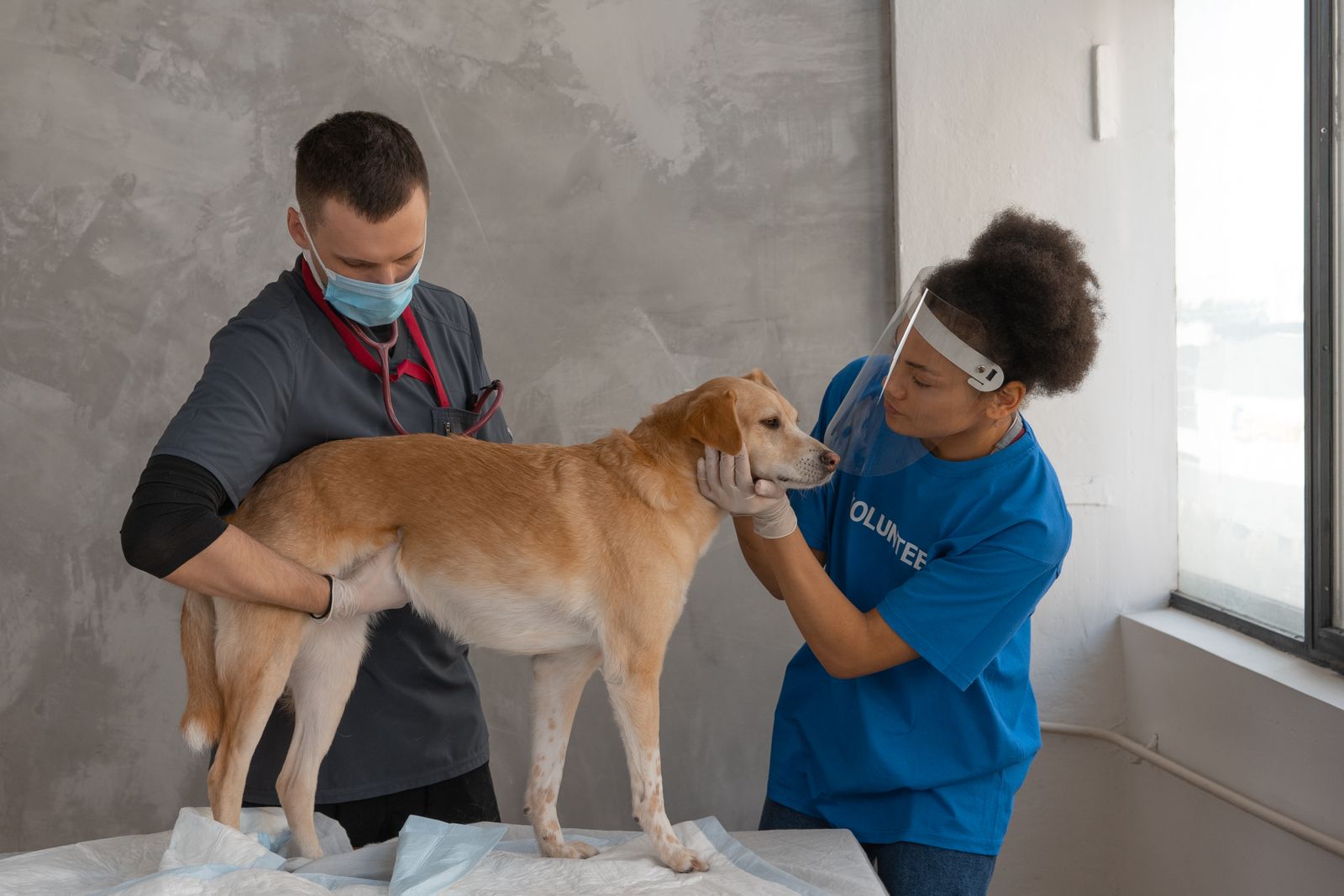
Approval rests on a nine-month European field study in dogs with osteoarthritis. At day 90, about 36 percent of treated dogs met the study threshold for treatment success on a validated pain and function questionnaire, compared with 21 percent of dogs given a placebo. Owners and veterinarians reported improvement as early as seven days after the first injection.
Laboratory safety work published in The Veterinary Journal this year found the drug well tolerated when given every three months at up to six times the clinical dose. It is not for dogs younger than 12 months, or for breeding, pregnant, or lactating dogs. The most common side effect on the label is pain at the injection site.
The warning that comes with this drug class
Lenivia belongs to the anti-NGF class, and that class carries a serious warning. A 2026 commentary in JAVMA, the journal of the American Veterinary Medical Association, documents cases of rapidly progressive osteoarthritis in dogs treated with bedinvetmab. It is rare and it is severe. The joint breaks down far faster than ordinary arthritis, sometimes within months, and the damage is often irreversible.
The human record is the cautionary part. Antibodies against NGF were tested in people for years, and in 2021 the FDA and the European Medicines Agency declined to approve them for human use because of that same joint signal.
The practical upshot: the commentary’s authors want baseline and follow-up examinations, standard imaging, clear informed consent, and prompt reporting when something goes wrong, so that a rare bad reaction gets caught early.
Why a three-month shot matters in practice
Arthritis is chronic, and the goal is steady pain control rather than a cure. A dog cannot tell you when a dose is wearing off. A longer interval means fewer clinic trips, fewer chances to fall out of the routine, and less swing in comfort from one week to the next. For a large dog that hates the car or a nervous dog that finds every appointment stressful, that counts for something.
Cost is the open question. Zoetis has not published US pricing, and prices in the UK, Canada, and the EU vary by clinic. Expect an antibody injection to cost more per dose than a generic pill, with the tradeoff that you pay four times a year rather than twelve.
What this means for your dog
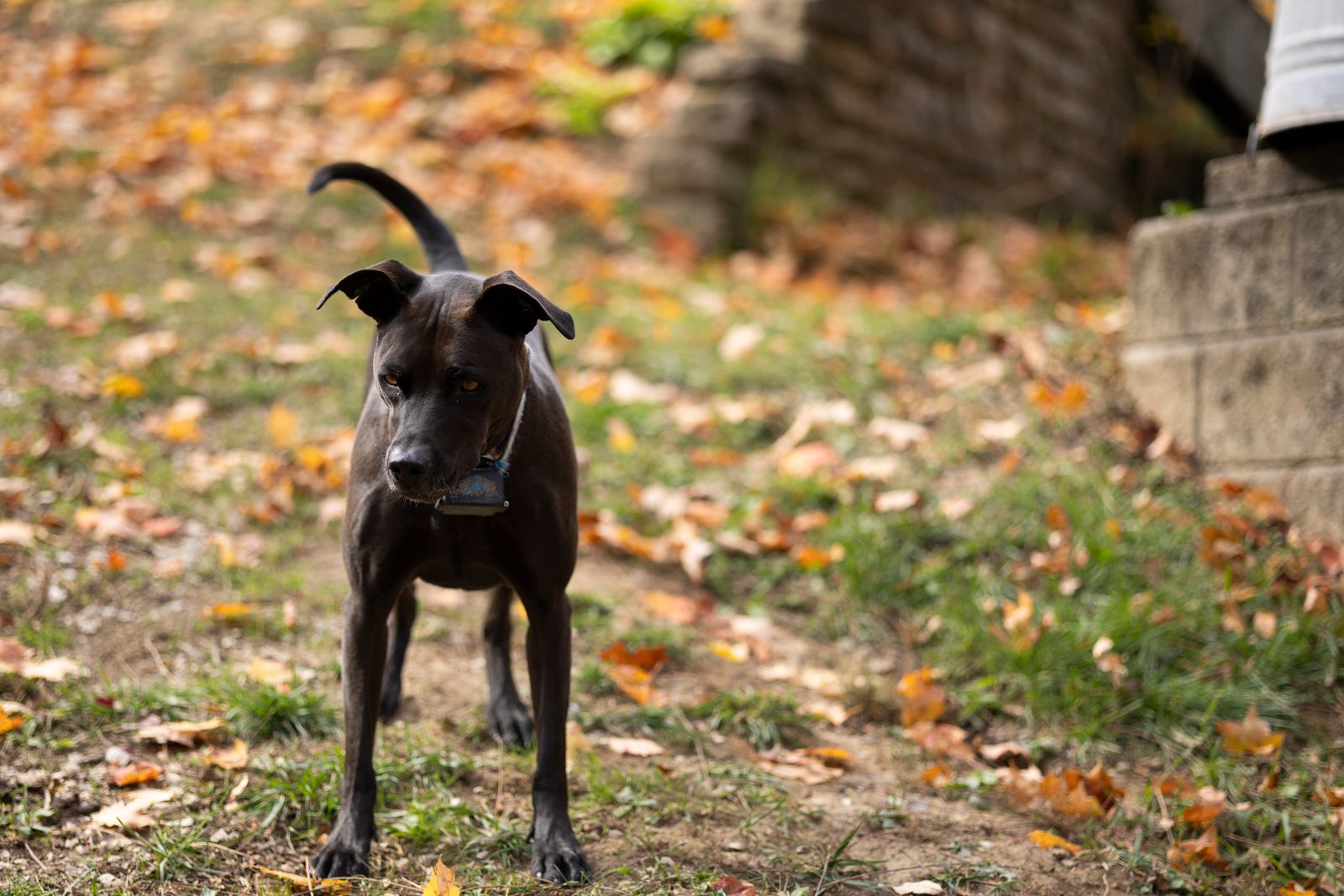
A dog that is stiff, slowing down on walks, or hesitating on the stairs deserves a vet visit rather than a wait-and-see. Osteoarthritis is easier to manage early, and the options are better than they were a decade ago. Our Dog Health 101 hub covers the basics of joint health, weight, and diet, which still do much of the work in any plan.
If you live in the United States, Lenivia is not on the menu yet. The monthly version, Librela, is available now, along with anti-inflammatory drugs, CBD, and joint injections that modify the disease rather than just mask it. Steroid and NSAID choices depend on your dog’s liver, kidney, and stomach history, which is why the decision belongs to your vet rather than a search engine.
Ask about the whole plan: pain control, diet and weight, exercise, and how you will tell whether it is working. This article is not medical advice. Your veterinarian knows your dog.