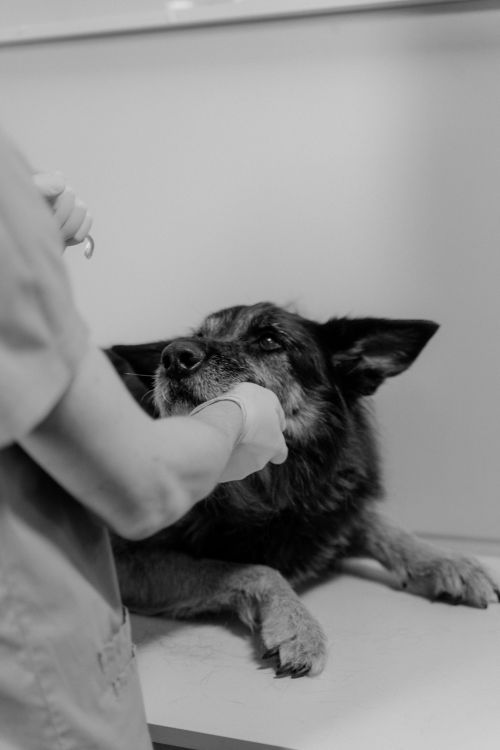
Loose stool is one of the most common reasons dogs land in an exam room. In a new interview with dvm360, veterinarian Becky Eschmann says it is a daily reality in general practice, and that most cases resolve on their own. The trick is knowing which ones will not.
Common triggers include dietary indiscretion (the polite term for eating something they should not have), stress, and holiday gatherings where dogs get handouts they cannot handle. Eschmann notes that clinics see more stomach cases around Thanksgiving, Christmas, and Fourth of July cookouts, when human food is everywhere and guests are happy to share.
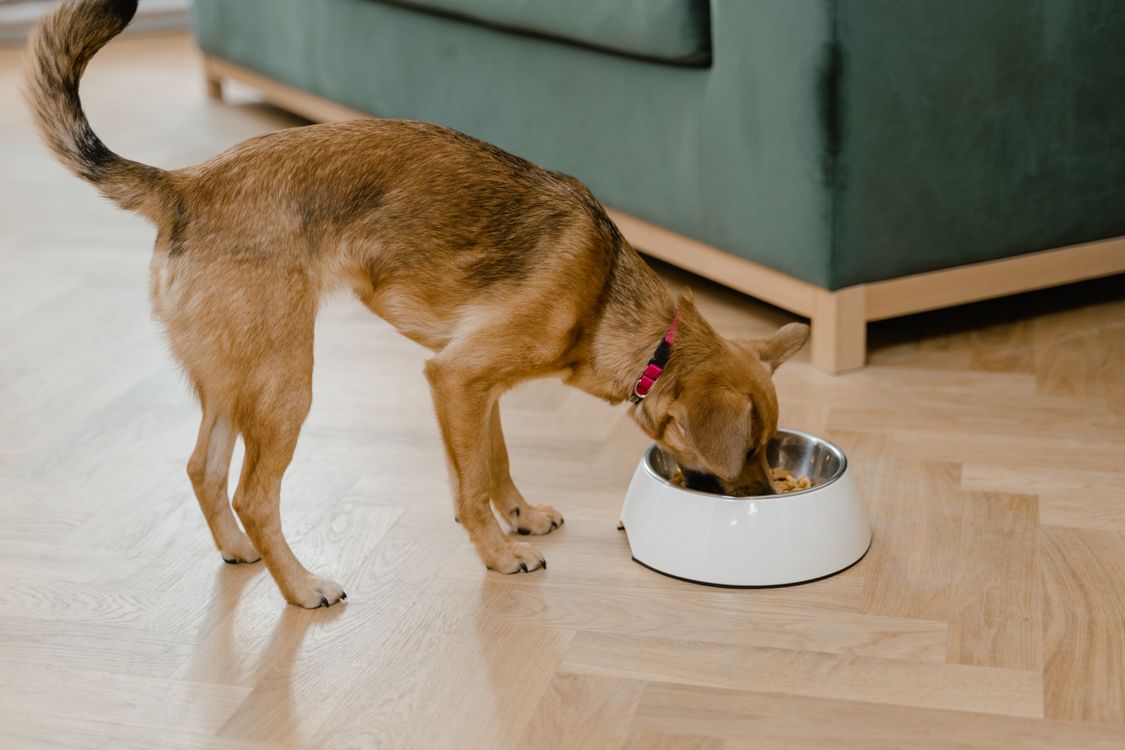
The key is to look at the whole dog. Diarrhea by itself is vague. Vets get more concerned when a dog is also lethargic, vomiting, or showing other problems, or when tests point to a larger issue. A dog who is bright and drinking normally is a different patient from one who is flat and off food, and the plan reflects that. The full conversation with Dr. Eschmann is at dvm360.
What this means for your dog
If your dog has one loose stool but is acting like himself, keep water available and watch. Call your vet if it lasts more than a day or two, if you see blood or black stool, if he is vomiting or seems painful, or if he is a puppy, a senior, or already unwell. Skip human anti-diarrheal medicine unless a vet tells you otherwise. If trouble tends to show up after meals, our guide to acid reflux in dogs covers the signs owners miss. And at the next cookout, keep an eye on what he eats.