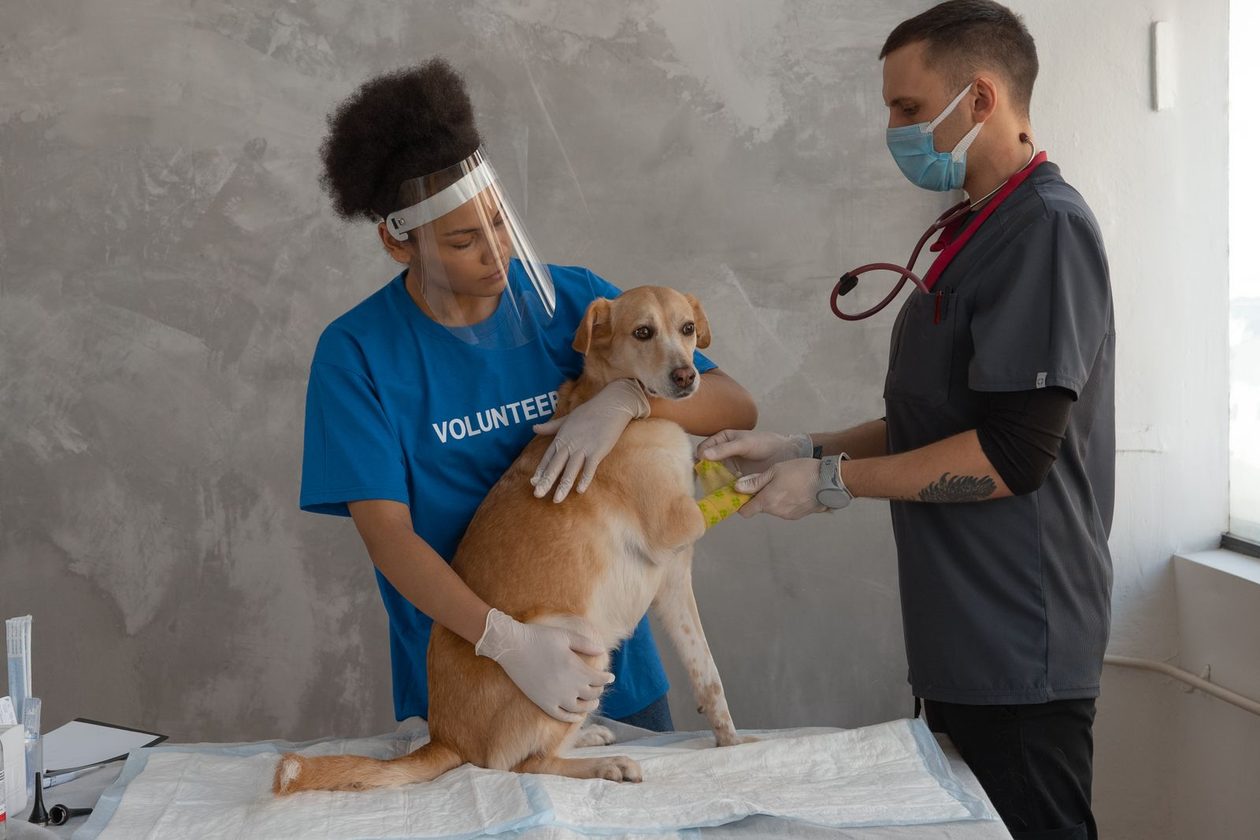
Sarcomas are the tumors that make surgeons say no. Too big, too close to a joint, wrapped around a rib. For four dogs in a new case series, that answer changed after a few weeks of injections into the tumor itself.
The study, published in Frontiers in Veterinary Science, comes from a University of Calgary team. Four female dogs between eight and ten took part: two Nova Scotia duck tolling retrievers, a Samoyed mix and a Saint Bernard, with tumors in the pelvis, forelimb and chest wall. Each got weekly shots of a STING agonist, a drug that switches on the immune system’s alarm inside the tumor. All four tumors shrank, with maximum reductions of roughly 9 to 55 percent.
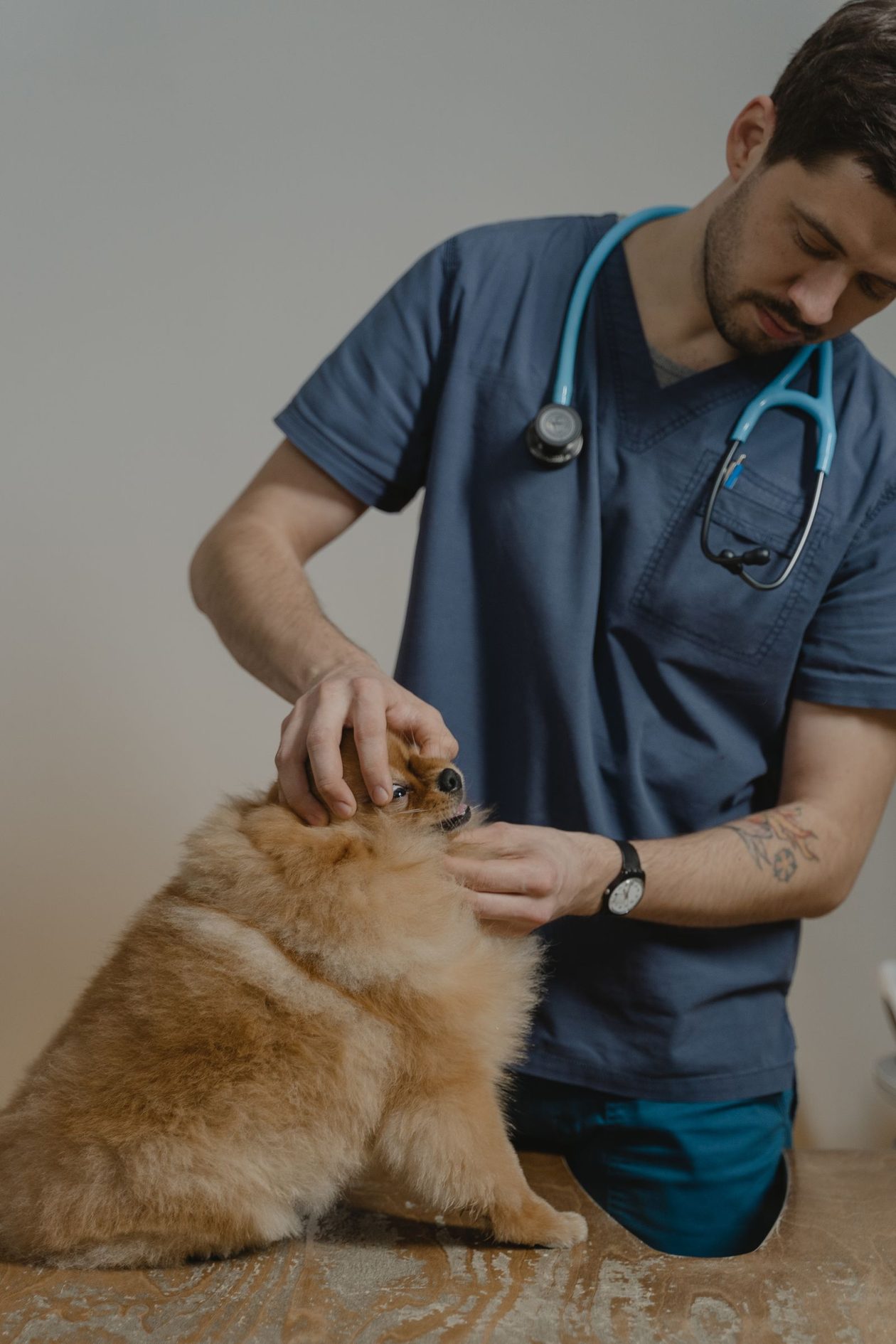
Two dogs improved enough to be operated on. The Samoyed mix had surgery 34 days in and lived another 736 days before a seizure led to euthanasia. The Saint Bernard, with an osteosarcoma on the ribs, had surgery at day 57 and lived 195 days before osteoarthritis pain led to euthanasia. At necropsy none of the four had visible metastatic disease, though four dogs cannot prove the treatment stopped the cancer spreading. A third dog developed severe damage in the tissue around the tumor and was euthanized.
What this means for your dog
You cannot ask your vet for this next week. It was four dogs, several tumor types, different doses, no control group. What the study does show is a workable idea: shrink the tumor first, then operate. Other teams are working the same problem from another angle, including tumor ablation that destroys cancer without a scalpel. If your dog’s sarcoma is described as inoperable, ask your oncologist about clinical trials and whether downstaging is possible. The paper is open access and worth bringing to that talk.