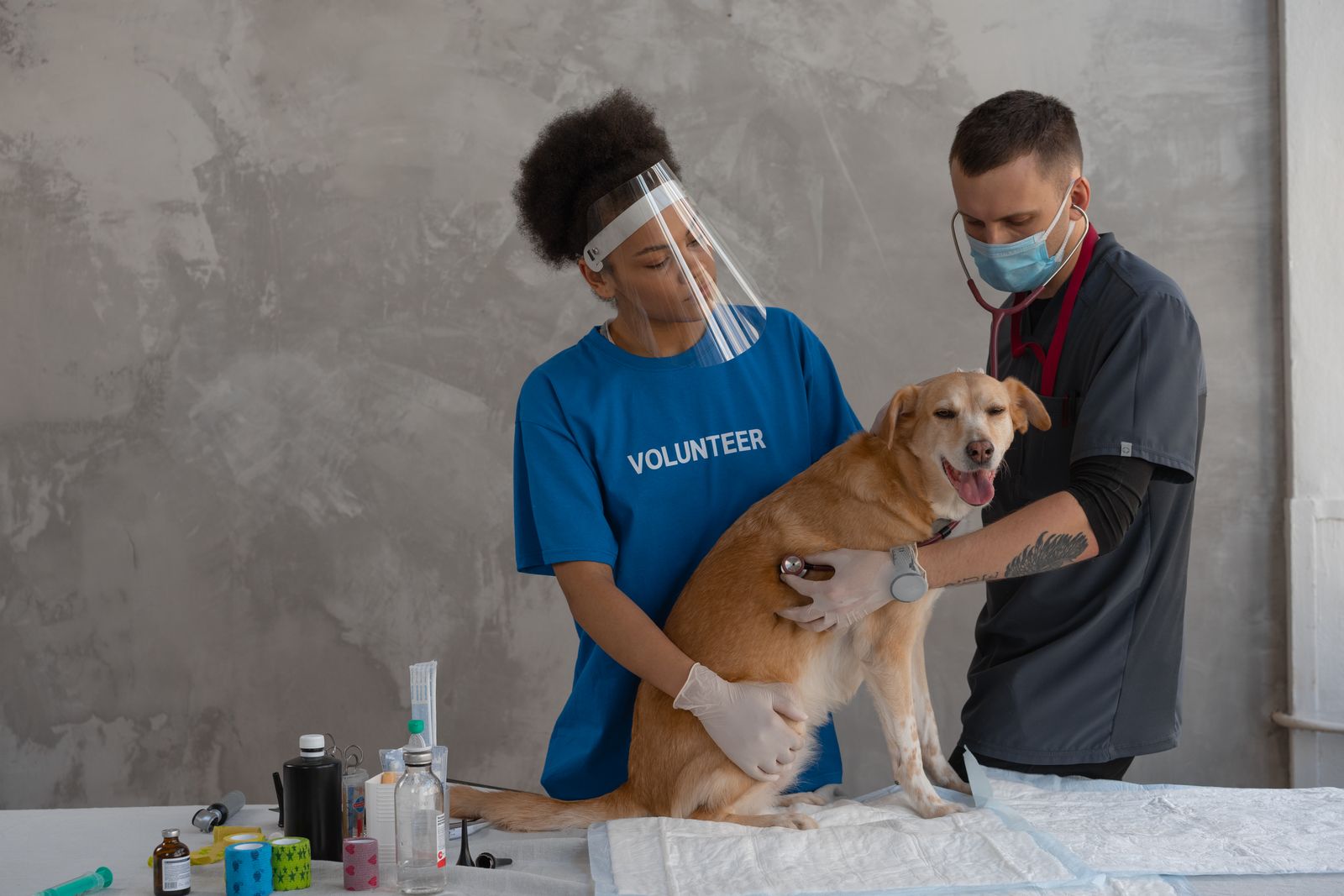
A tumor on your dog’s liver. A mass wrapped around a lymph node. Bone cancer in a front leg. For a lot of owners, the next sentence is the hard one: the standard options are major surgery, weeks of radiation, or chemotherapy that leaves the dog flat for days.
Veterinary oncologists at Purdue are working on a fourth option. It uses focused energy to destroy tumor cells from outside the body, with the dog asleep but never cut open. Most of these procedures are done as outpatient visits.
What tumor ablation actually does
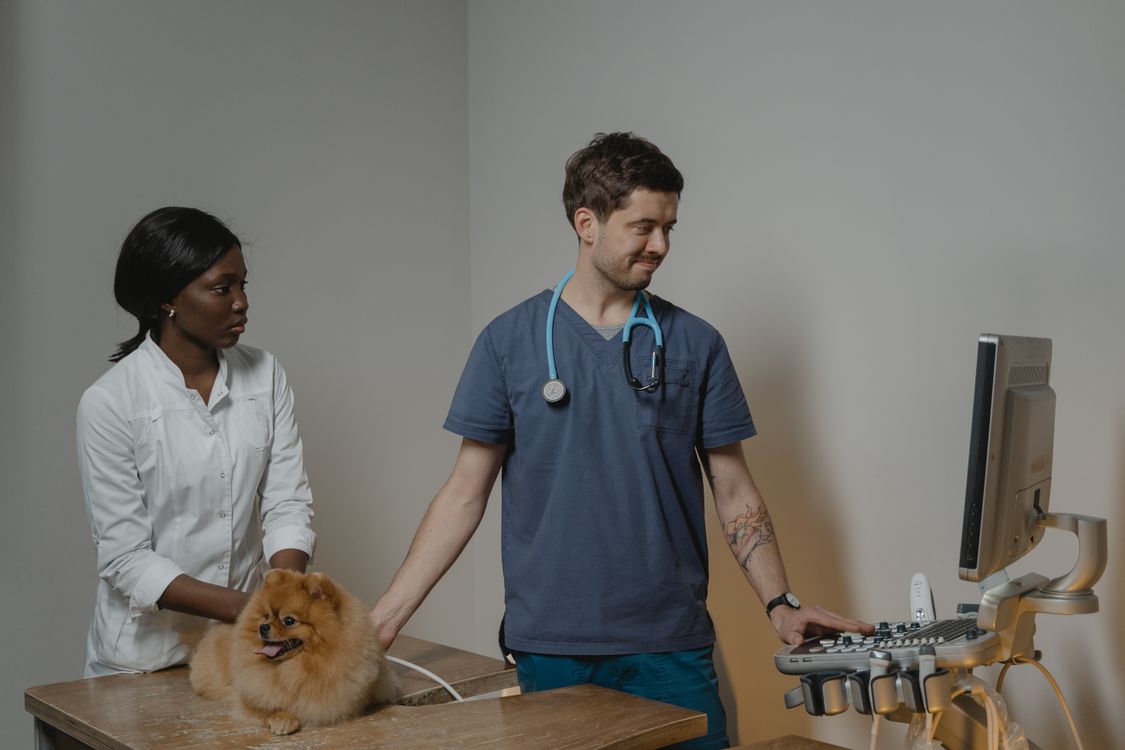
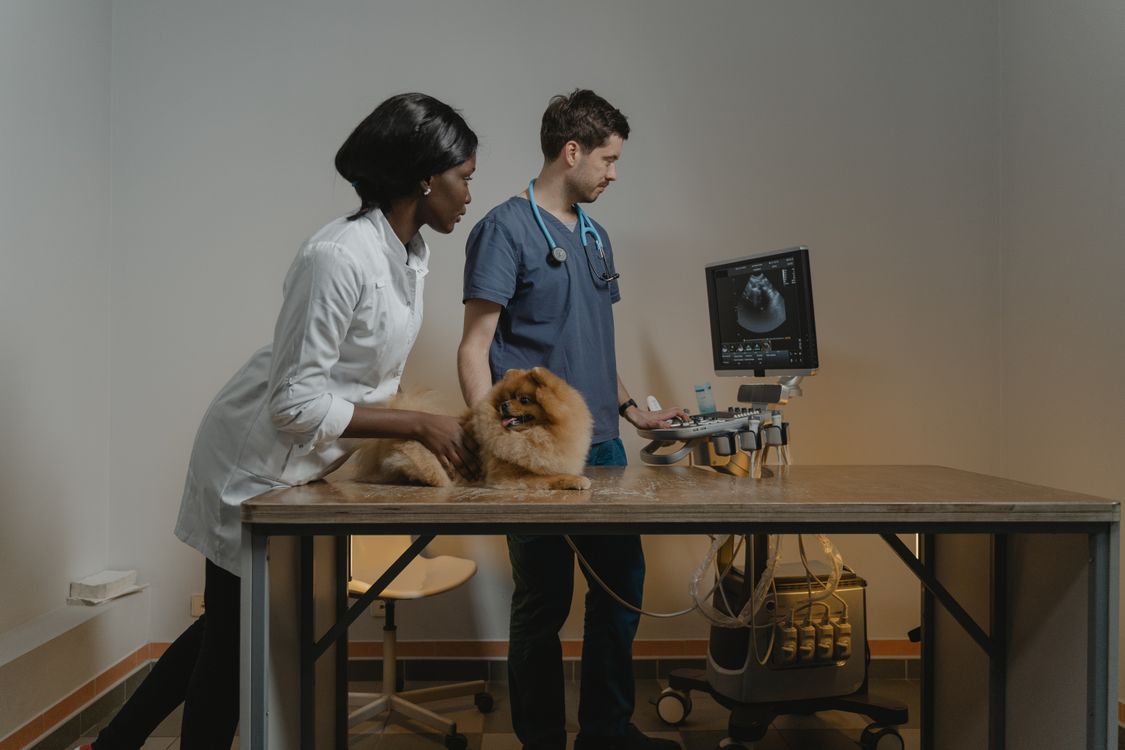
The technique is called tumor ablation. Instead of removing a tumor with a scalpel, the vet aims energy at it: heat, cold, focused ultrasound, or short bursts of electricity. CT scans plan the approach, and real-time ultrasound guides it during the procedure.
“Tumor ablation uses highly targeted energy to treat tumors with remarkable precision,” said Shawna Klahn, an associate professor of comparative oncology at Purdue’s College of Veterinary Medicine.
Her colleague Nikolaos Dervisis puts the accuracy in blunter terms. Some of the technology is precise enough, he said, “that you can potentially slice a cell in half.”
What owners notice first is recovery. Leaving healthy tissue alone means less pain and a shorter bounce-back than a large incision. The vets have a second reason to care: the same equipment exists in human hospitals, and a handful of canine cancers, including bladder cancer and some bone cancers, are genetically close enough to the human versions that a protocol proven in dogs can inform human care.
Three trials enrolling dogs now
Purdue set up the ablation lab at its Evan and Sue Ann Werling Comparative Oncology Research Center. Three studies are using the approach in different ways.
Liver cancer. A technique called high-frequency irreversible electroporation, or H-FIRE, delivers electrical pulses that puncture cancer cell membranes without relying on heat. Dogs get one treatment, then surgery five to seven days later to remove the tumor, which lets researchers examine the tissue and check whether the immune system mounted a response. The study covers the ablation procedures and offers partial financial support.
Lymphoma. High-intensity focused ultrasound, or HIFU, heats one enlarged lymph node in dogs that have not started chemotherapy. Every dog then gets a full course of standard CHOP at Purdue. The question is whether zapping that single node wakes up the immune system enough to help elsewhere in the body. Lymphoma is one of the more treatable canine cancers, and detection is getting easier: a blood test can now flag it before symptoms show.
Bone cancer. The same HIFU approach is being tested in appendicular osteosarcoma, the aggressive leg-bone cancer that often ends in amputation. The goal is destroying tumor tissue without an incision. Research on this cancer is moving on several fronts at once, including a lab drug that slowed osteosarcoma cells from dogs and people.
Eligibility is narrow. Dogs need a confirmed diagnosis of one of the listed tumor types, need to be at least a year old and over roughly 18 pounds, need to be healthy enough for anesthesia, and need to be expected to live at least nine weeks without treatment. Owners also have to commit to every scheduled visit.
What this means for your dog
If your dog has just been diagnosed, ablation is not something you can request at most general practices. The equipment is expensive, and availability varies widely by region and by hospital, even in human medicine. In practice, this is a specialist conversation, and often a teaching-hospital one.
So ask a specific question at the oncology consult: is this tumor in a location where ablation has been studied, and is there a trial within driving distance? Purdue lists its open studies and eligibility rules online, and other teaching hospitals run similar programs. Ask about cost coverage early, before you commit to a surgical plan.
None of this replaces getting a diagnosis first. A mass needs staging before anyone can say which treatment fits. For a plain-language starting point on checkups, screening, and what a diagnostic workup involves, see the K9 Pie Dog Health 101 hub.
The limits worth knowing
Ablation does not cure cancer that has already spread. Dervisis was careful about the word itself: “Cure is often a relative term in oncology,” he said. The aim is longer life with good quality of life, less discomfort, and fewer side effects from treatment.
Results depend on the tumor. A mass wrapped around a major blood vessel is a different problem from a discrete tumor in a liver lobe, and a dog with other health problems may not be a candidate at all.
The evidence is also still thin. These are early-phase studies looking at safety, feasibility, and immune response in small numbers of dogs, not large trials proving a survival benefit. That is how cancer treatments start, in veterinary and human medicine alike.
For an owner holding a fresh diagnosis: a newer kind of treatment is being tested, it is gentler than the old options, and it is not widely available yet. Ask early.
Sources: Purdue University College of Veterinary Medicine, via Phys.org, October 22, 2026. Trial details and eligibility: Purdue Veterinary Medicine clinical trials.