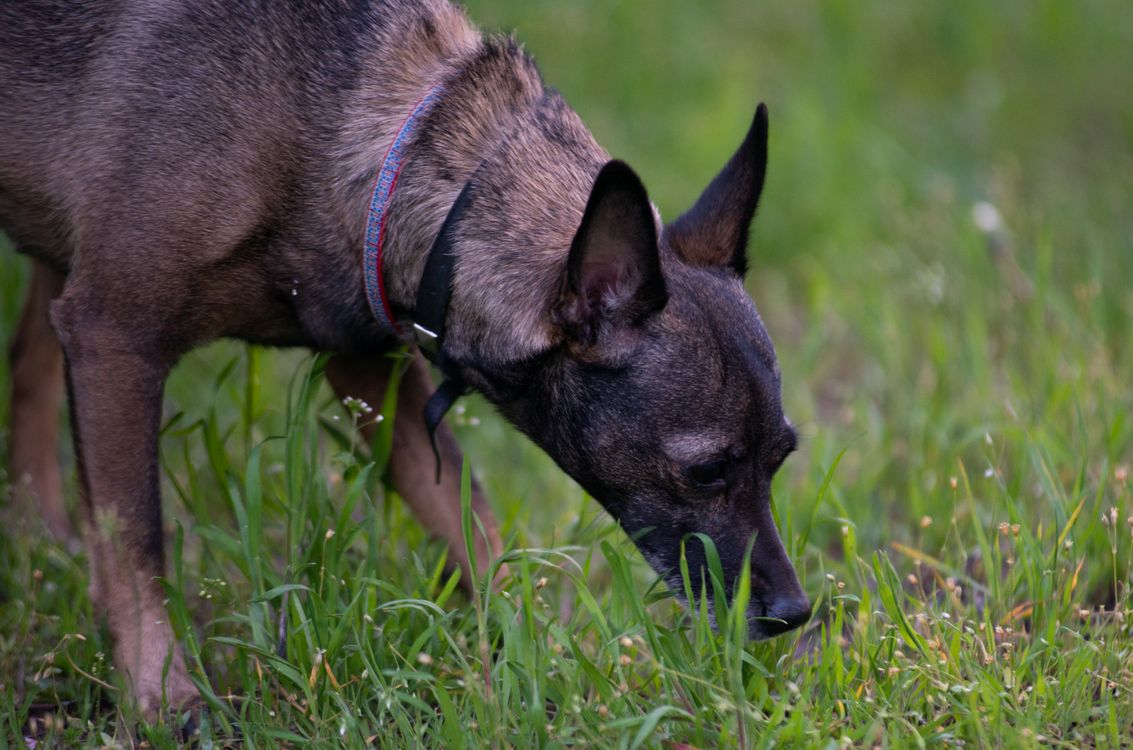
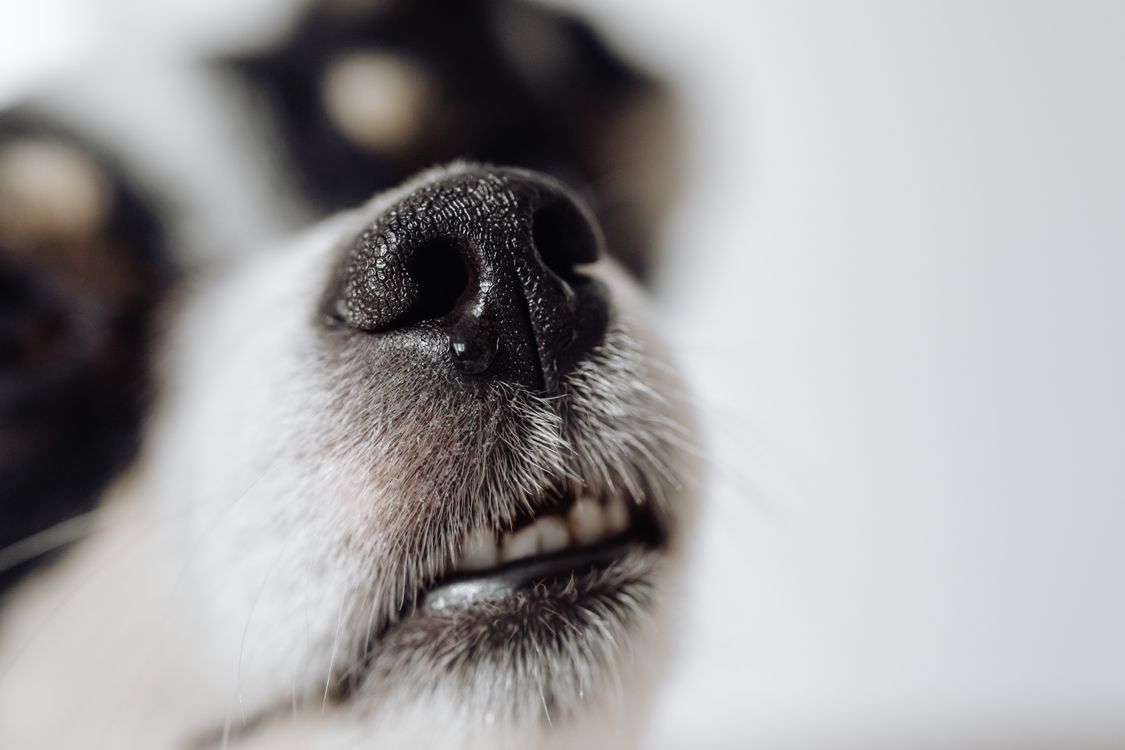
A dog’s nose is already the best tool on your walk. A new study suggests it could also be a conservation instrument.
Researchers at the Helmholtz-Centre for Environmental Research in Germany trained 31 volunteer dogs and their owners between 2021 and 2023 to find three invasive plant species. Twelve teams reached a field test in real habitat. Eleven passed, with an average detection rate of 75%, according to the study published in PLOS One.
Himalayan balsam was one of the targets. It spreads fast along riverbanks, crowds out native plants, and is easiest to control when it is caught early. That is a search a dog can run at nose level, in dense cover, faster than a person walking a survey line.
What this means for your dog: nothing changes about your weekend walk unless you sign up for a project like this. The authors are clear that enthusiasm is a starting point, not a qualification. The teams that passed trained on a specific scent target, and their handlers learned to read the dog’s alert. If a local conservation group asks for volunteer detection teams, those are the things to look for.
Working dogs already do this kind of job. Police units use them to find drugs, and farmers rely on livestock guardian dogs to keep predators away from flocks. Plants are a newer target, and the barrier is lower than you might think. An ordinary pet and a trainer who can tell a real alert from wishful thinking are most of it.
Which is a fair argument for letting your dog stop and sniff on the next walk. He is not wasting time. He is reading a layer of the world you cannot see.