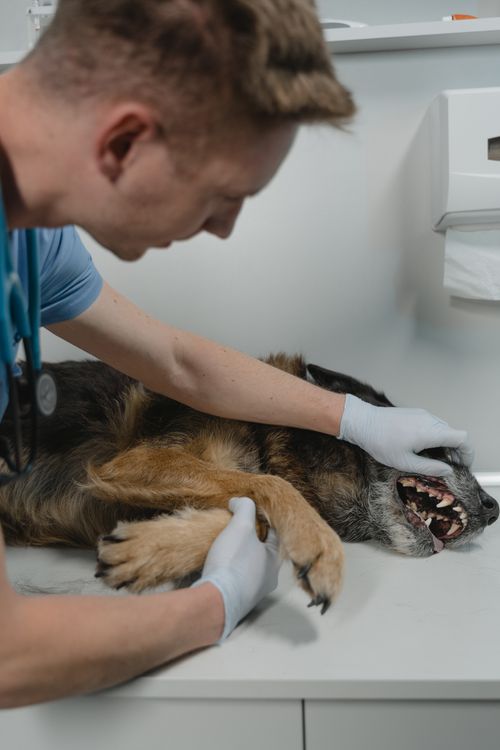
A dog with almost no platelets can bleed into his own body from a bruise. Platelet transfusions can stop that, but the standard product lasts about five days, needs constant shaking at room temperature, and can grow bacteria while it sits. Most clinics do not stock it.
A study from Washington State University suggests an easier option works. Researchers reviewed 27 transfusions given to 24 dogs at the university’s teaching hospital between March 2022 and October 2024, using platelets refrigerated at 4 degrees C for up to 21 days with no agitation. Mean storage time was 12.4 days. Bleeding improved within four hours in 19 of the 27 transfusions and partially improved in 7 more. Mean bleeding scores fell from 3.15 to 2.21. Nineteen of the 24 dogs went home.
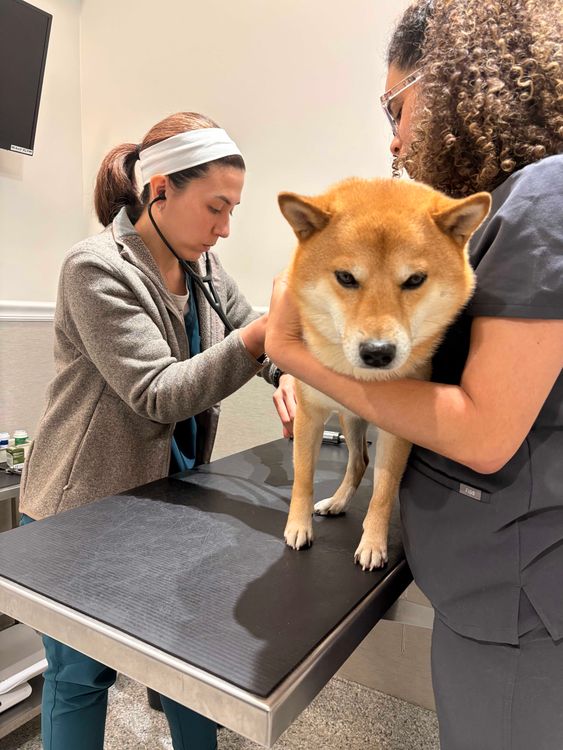
Platelet counts barely moved, which sounds like failure. Cold-stored platelets circulate briefly, then get used up forming clots. They do not need to survive in the bloodstream to do the job.
Researchers recorded no transfusion reactions. Three dogs bled again 12 to 24 hours after a procedure, so some may need a repeat dose. The study is retrospective, with no room-temperature comparison group and no control over timing, so treat the result as promising, not settled. It was published in the Journal of Veterinary Internal Medicine.
What this means for your dog: refrigerated platelets ship easily, so more hospitals and blood banks can hold them. If your dog has immune-mediated thrombocytopenia or needs surgery with low platelets, ask your vet whether platelet support exists locally or at a referral hospital, and ask before the procedure is booked. Bruising on the belly or gums, a nosebleed that will not stop, and black stool all mean you should call the vet rather than wait.