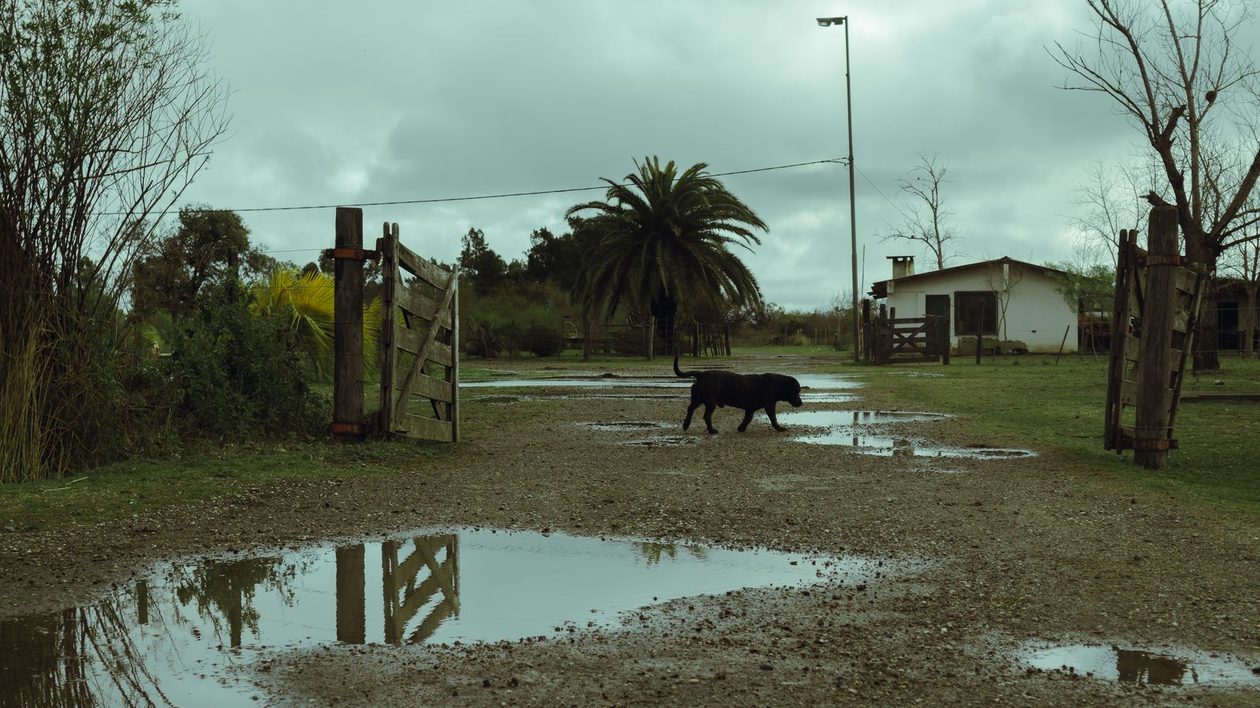
Your dog does not know the flood is over. To him, the low corner of the park is still the best thing that has happened all week: soft mud, a puddle the size of a dinner plate, and nobody telling him no.
That puddle can still be a problem. Leptospira bacteria live in the urine of infected rats, raccoons, livestock and other dogs, and they can survive in standing water and wet soil for weeks to months after floodwater drains away. The Weather Channel went through the current guidance this week, and the short version is that a yard can look normal while the ground underneath is still damp and contaminated.
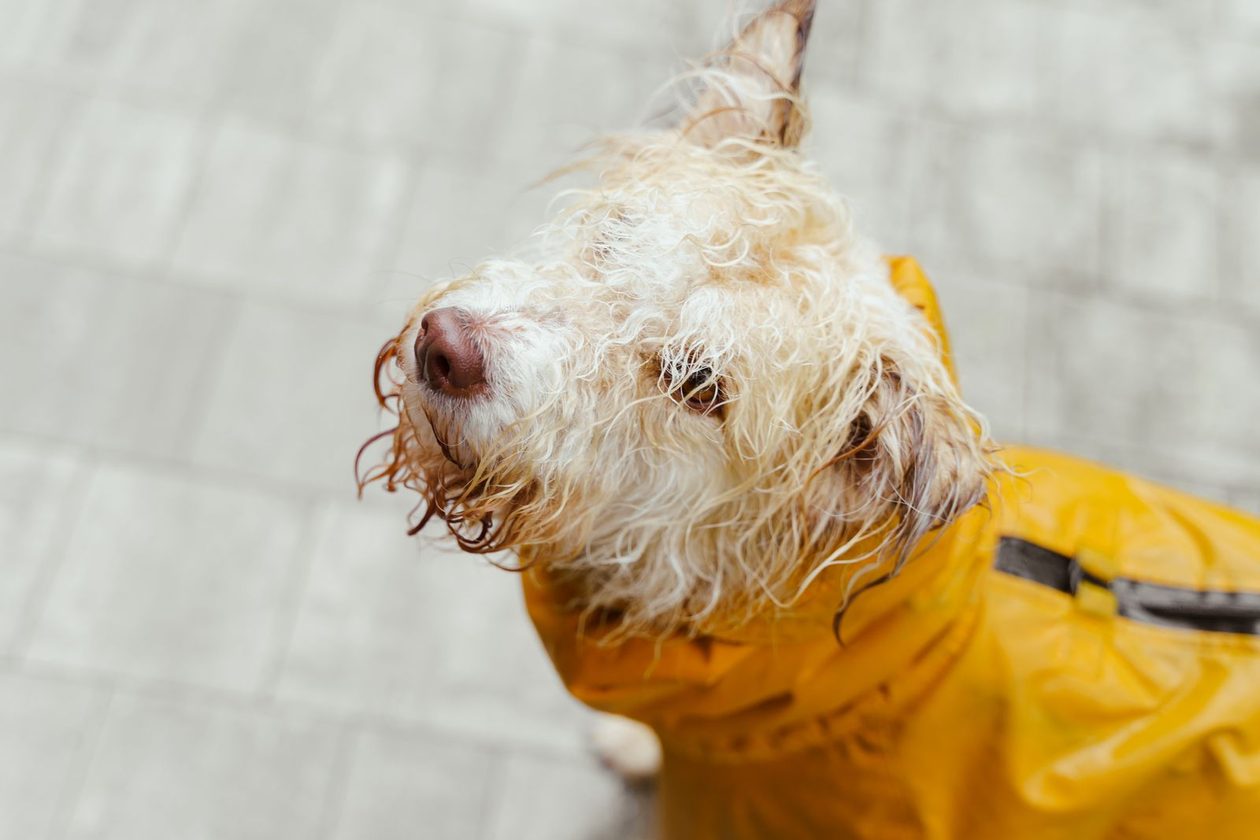
Dogs pick it up by drinking from puddles, wading through them, or sniffing wet ground. The bacteria get in through cuts, or the soft tissue around the mouth, nose and eyes. Once inside, they can damage the kidneys and liver, and an infected dog can pass lepto to people in the house. It is why vets keep flagging parasites that are getting harder to treat.
Early signs are easy to wave off: fever, tiredness, no appetite, vomiting, stiff joints, a change in how much your dog drinks and pees, sometimes a yellow tint to the eyes or gums. Antibiotics work best started early, and some organ damage can be permanent.
What this means for your dog
Stick to paved or well drained routes for a few weeks after a flood. Keep the leash on around low trails, ditches and anything that flooded, and carry fresh water so your dog is not tempted to drink from the ground. Rinse muddy paws afterward. Ask your vet whether the lepto vaccine fits your dog. It does not cover every strain, but it adds a layer on top of the boring stuff.