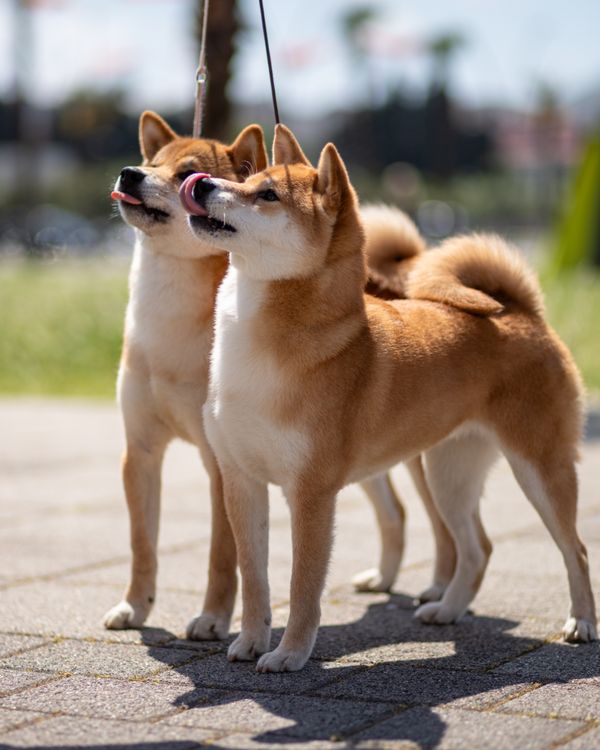
The first few minutes between two dogs can decide whether they become buddies or rivals. Most introductions go sideways not because the dogs are a bad match, but because the setup is wrong: too much pressure, not enough space, or leashes held too tight.
The fix is deliberately boring. Skip the face-to-face greeting entirely. Take both dogs to neutral ground, a park or quiet street neither one treats as home turf. Exercise them first so the edge is off. Leave food and toys behind, since resource guarding is one of the most common triggers for fights in multi-dog homes. Each dog gets one calm handler who keeps the leash loose.
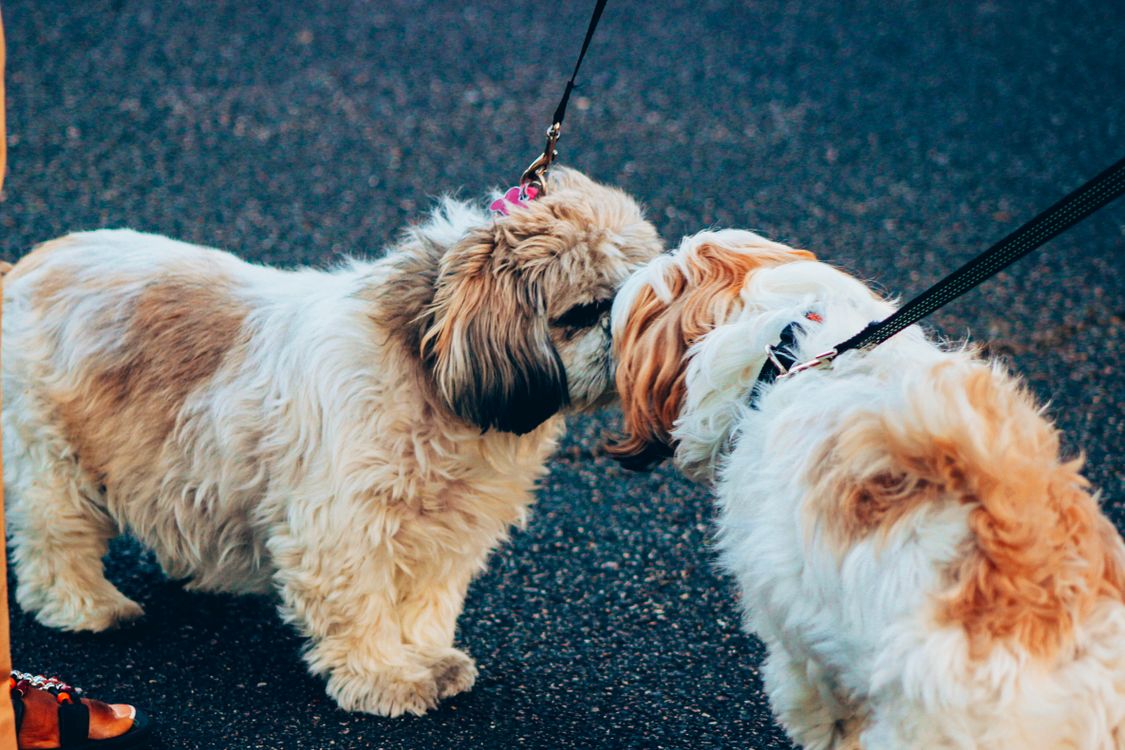
Then walk. Start at least 30 feet apart and let the dogs close the distance slowly as their body language stays relaxed. Wiggly posture, soft blinking eyes, a low sweeping tail wag, and play bows are green lights. Stiff bodies, hard stares, raised hackles, and lip curling mean add space. If your dog pulls on leash, work through our simple loose leash walking plan before the big meeting. When they are comfortable side by side, allow short three to five second sniffs, then call each one back and reward. Approach at an arc, never head on, and end the session on a calm note.
What this means for your dog: a first meeting is about building a good memory, not forcing instant play. If stress shows up, separate calmly and try again another day with more distance. Once home, feed the dogs apart, give each a quiet retreat, and supervise until calm coexistence becomes the pattern, which can take weeks or months. When in doubt, a trainer can spot what you are missing, and the Whole Dog Journal walks through the full method step by step.