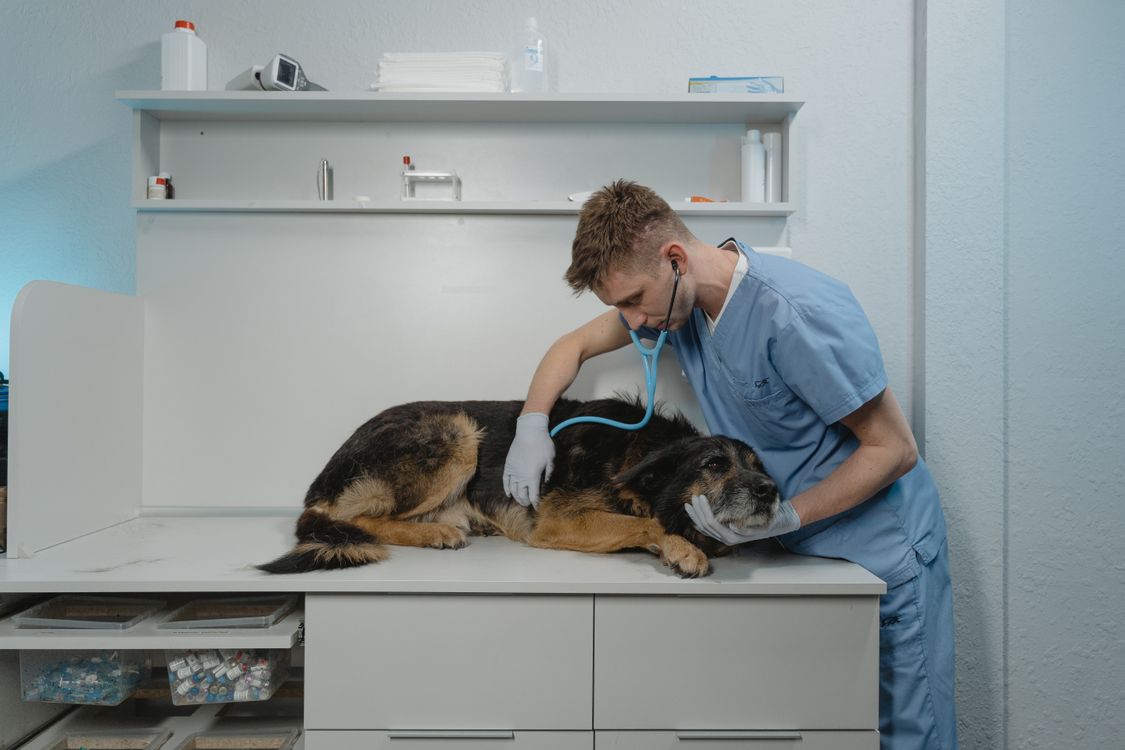
Anyone who has found a stray dog knows the awkward middle step. The chip scans cleanly, a number appears on the reader, and then somebody has to work out which of Britain’s databases holds the matching record.
That got easier this week. The Association of Microchip Database Operators opened a Single Point of Search, a portal that lets vets and other authorised users look up pet and keeper details across five databases at once: Chipworks, Identi, MyPet, Petlog and PETtrac.
Twenty databases that never talked to each other
The UK runs more than 20 national microchip databases, and until now they did not share records. A practice that scanned a lost dog could spend a morning on the phone. Dr Gwen Rees, president of the British Veterinary Association, called it a significant win and said the old setup made reuniting lost pets with owners very difficult.
What this means for your dog
The chip is only a number. Everything a stranger needs (your name, your phone number, whether the dog is flagged as missing) sits in a database record that someone typed, possibly with a number you have since changed. A portal that searches five databases is no help if one of them still lists your old address.
So take five minutes this week. Find the registration paperwork or implant certificate, log in, and check the mobile number and address. UK keepers are required to keep those details current, and the tidy-up matters most in the month after a move. The chip gets the dog scanned, and the record gets the dog home.
If your dog does slip out, the first hour matters more than the first day, and the evidence on what actually brings lost dogs home is more specific than most owners expect. Full announcement: VetSurgeon News.