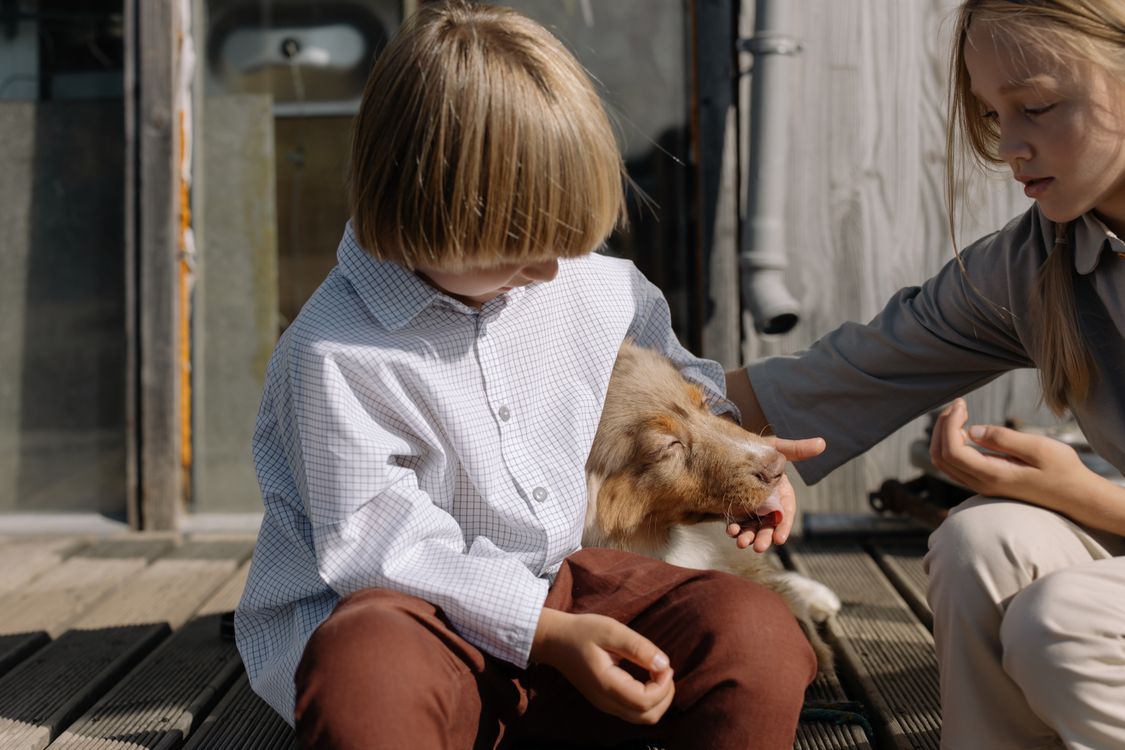
The Calais School in New Jersey has kept therapy dogs on campus since 2013. Handlers bring large-breed dogs in one to three days a week, and the dogs greet students at arrival, sit in on speech and occupational therapy, and help with reading.
Two psychologists at The College of New Jersey, Jean Kirnan and Olivia Sampson, surveyed 161 people connected to the school in 2023. Teachers, counselors, therapists, other staff, handlers, parents and students all weighed in. The study appeared in Discover Animals.

Almost everyone agreed the dogs do something useful. People credited them with better wellbeing, stronger social and emotional skills, and a calmer building.
Students were the holdouts. They rated the benefits lower than every group of adults did, and that gap was the most consistent difference in the survey.
One result went against the researchers’ expectations. Students who worked with a dog in scheduled sessions and students who only passed one in the hallway reported about the same benefits. Only feeling welcome scored higher for the scheduled group, and the effect was small. Casual contact still came with reports of less anxiety and depression and more feelings of support.
What this means for your family
If your kid’s school has a facility dog, do not judge the program by how loudly students talk about it. The hallway encounters seem to count for something, and children who never got a formal session still reported feeling supported.
If you have wondered whether your own dog could do the work, the bar is steadier than it looks: long days, groups of children, and a handler who notices stress signals early. Dogs read our faces closely too, which is part of why the job works at all. The Calais dogs started small and are still there thirteen years later.