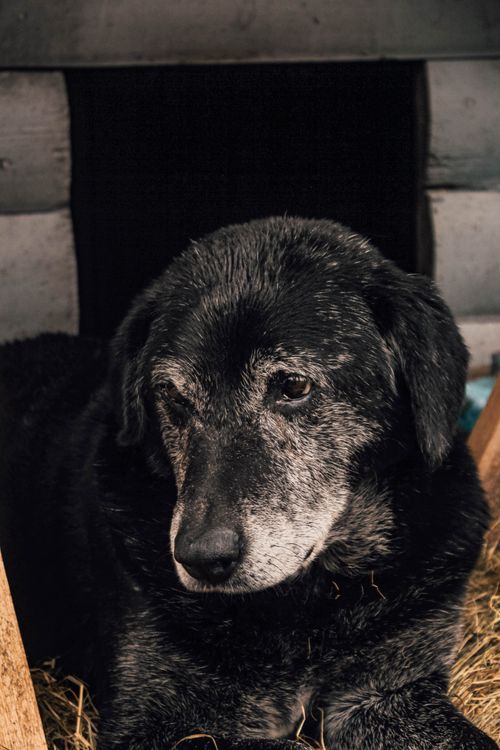
Canine cognitive decline rarely announces itself. A twelve-year-old dog stands in a doorway a few seconds too long, sleeps less at night, walks into the same corner of the kitchen every evening.
There is no cure, and what vets offer mostly softens symptoms. Researchers at USF Health in Tampa are trying to change that with a single injection.
One shot, one small protein factory
The team, led by research associate Dr Aurelie Joly-Amado, has worked on the approach since 2019. A modified virus that cannot cause disease carries instructions into brain cells, which then keep making a protective protein with anti-inflammatory and regenerative effects. Joly calls it a small factory that keeps producing the molecule after one treatment, rather than a daily pill.
Early work in mice showed better memory and healthier brain tissue. Dogs come next, and a useful model: they develop dementia naturally with age, making them a better stand-in for human Alzheimer’s than an animal given an induced version. A spinoff, Blue Zone Therapeutics, is pushing toward commercial scale with early funding from the National Science Foundation.
What this means for your dog
Nothing to ask your vet for yet. This is pre-trial work, with production and measurement questions to settle. What you can do now is get a real diagnosis, since pain, thyroid trouble, failing eyesight and hearing loss all mimic dementia. The signs worth writing down are easier to describe than a general sense that your dog is off.
After that, the list is unglamorous: fixed times for meals, walks and bed, a night light, a ramp, and a talk with your vet about prescription options for anxious nights.
Old dogs may help researchers understand Alzheimer’s, which is why this research exists. FOX 13 Tampa Bay has the full report from USF.