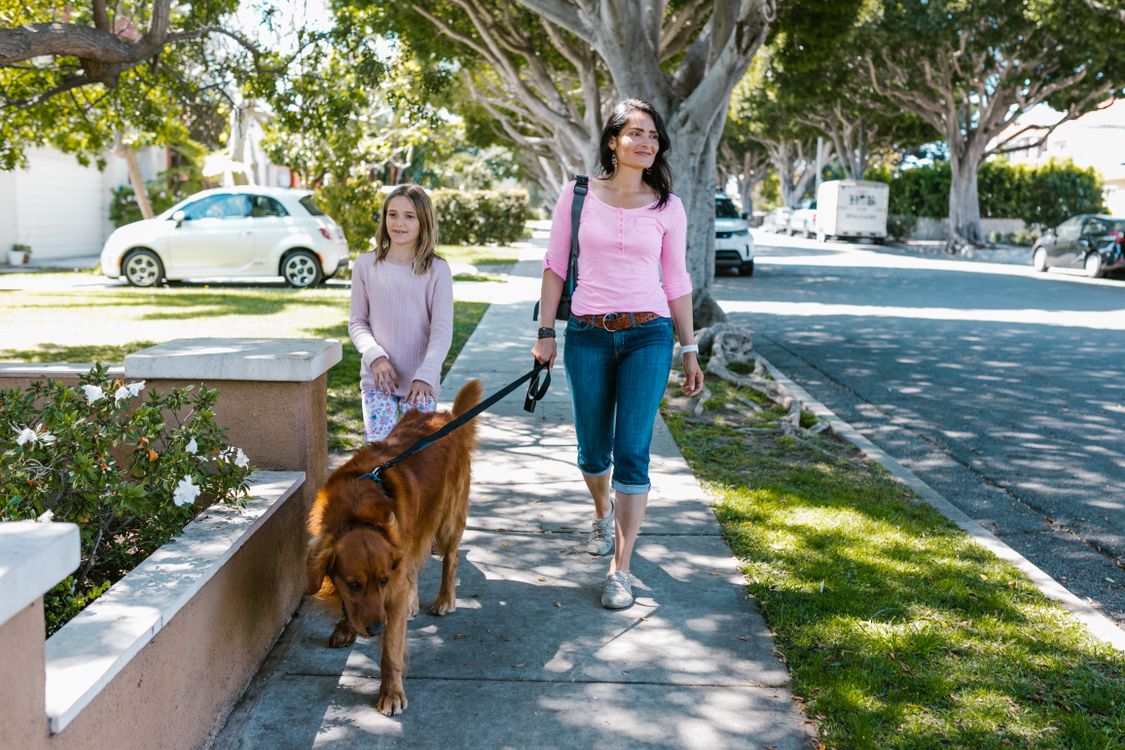
You know this walk. Your dog hits the end of the leash, you brace, and the next twenty minutes are you being towed from lamppost to lamppost. Your arm aches. The dog is having a great time. Somewhere around the third block you wonder who is walking whom.
Here’s the thing: your dog isn’t being stubborn. Pulling is a habit, and habits change. With a little timing and a pocketful of treats, most dogs learn loose leash walking in a matter of weeks. No yanking, no choke chains, no shock collars. Just one simple rule applied consistently.
Why dogs pull
Dogs pull because pulling works. Your dog strains toward an interesting smell, you follow, and your dog just learned that tension moves you forward. Repeat that a few hundred times and you have trained a very reliable puller.
That’s the insight behind force-free training: change what gets rewarded, and the behavior changes with it. The trainers at K.I.S.S. Dog Training make the point well. By the time most owners ask for help, the pulling pattern has been practiced hundreds or even thousands of times, so the job isn’t teaching something new. It’s replacing a well-worn habit.
Step 1: Practice inside first
It feels backwards, but better walks start in the living room. K.I.S.S. trainers begin indoors, teaching attention in an easy environment before asking a dog to ignore squirrels and traffic. Their rule of thumb: practice when it’s easy so you stand a chance when it’s hard.
In a quiet room, put the leash on and reward your dog for staying near you. Use a marker your dog already knows, like “yes” or a click, followed by a treat every time the leash is slack. Take a few steps. Treat every couple of steps. Do this for a few minutes a day until your dog can walk with you around the house without tension.
Step 2: Take the loose leash rule outside
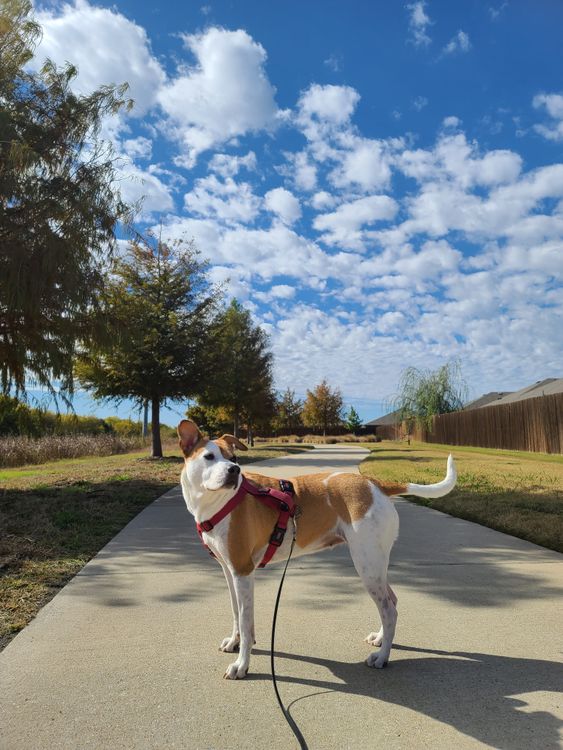
Gear first. A flat collar or a front-clip harness is the right tool. The American Kennel Club recommends front-clip harnesses for pullers because they redirect the dog toward you instead of putting pressure on the neck.
Then apply one rule: the leash stays slack. When your dog pulls, stop and plant your feet. Don’t tug, don’t scold, don’t move. The moment the leash loosens, mark, reward, and walk on. If your dog charges ahead of you, change direction. Turning away brings your dog back to your side, where you reward the return.
Keep sessions short. Five focused minutes beat forty frustrating ones, and every walk counts. If pulling gets you moving even once, the lesson blurs.
Step 3: Let sniffing be part of the walk
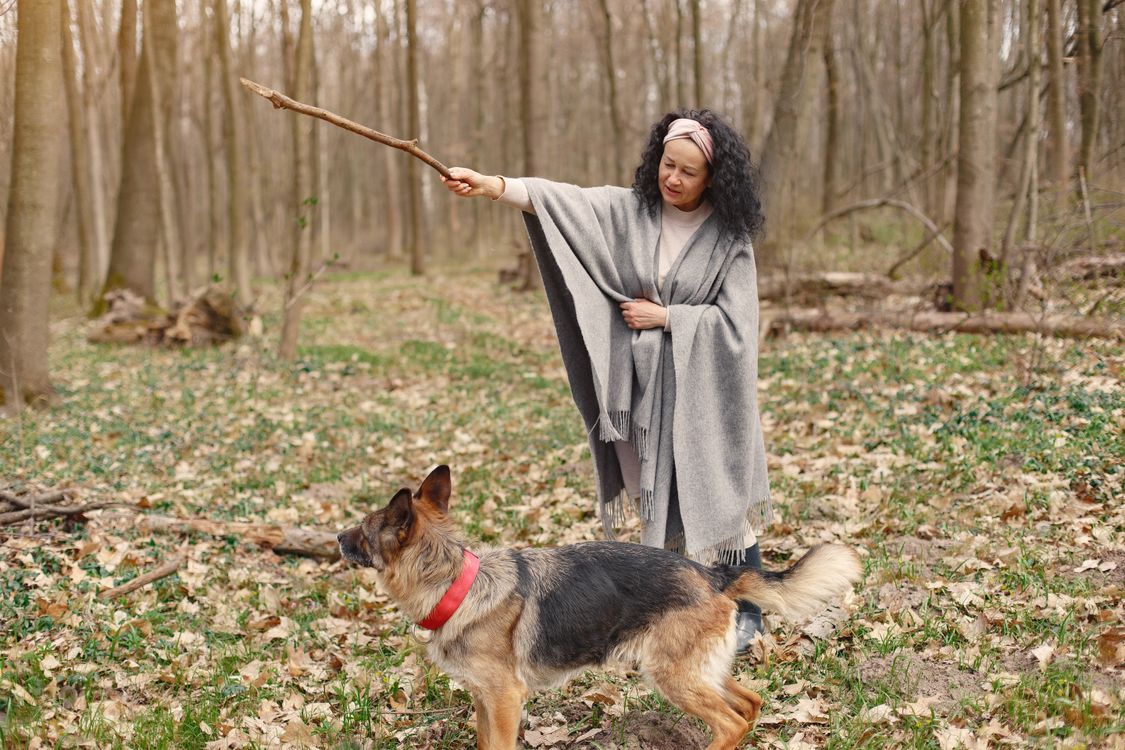
A dog’s nose is their main way of reading the world. A walk with no sniffing is like reading the news with every other word blacked out, and sniffing itself calms dogs down. So don’t aim for a perfect heel the whole way.
Structure the walk instead: sections where the leash stays loose and sections where your dog is free to sniff. The difference is how the sniffing starts. Access to smells comes from a slack leash, never from dragging you to the next lamppost. Say a cue like “go sniff” before releasing, then call your dog back with a treat when it’s time to move.
What this means for your dog
Most dogs show real improvement within two to four weeks of daily practice. Dogs who have pulled for years take longer, and that’s normal. You’re replacing an old habit, not just adding a new trick.
The most common mistake is inconsistency. If pulling works on Monday, the dog learns nothing on Tuesday. The second is asking too much too soon: a busy sidewalk is not the place to start. The third is marathon sessions that leave everyone frustrated.
Watch your dog’s body language once the tension goes. A loose leash changes how a dog carries themselves on a walk, and learning to read those signals makes training easier.
Get professional help if your dog pulls hard enough to cough or gag, if walks trigger barking or lunging at other dogs, or if you’ve tried for months with no change. A force-free trainer can build a plan for the tough cases, especially fearful or reactive dogs.
The walk should be the best part of the day for both of you. A relaxed dog moving beside you on a loose leash, stopping to sniff when you say so, is one of the clearest signs of a happy dog. It takes patience. It’s worth it.