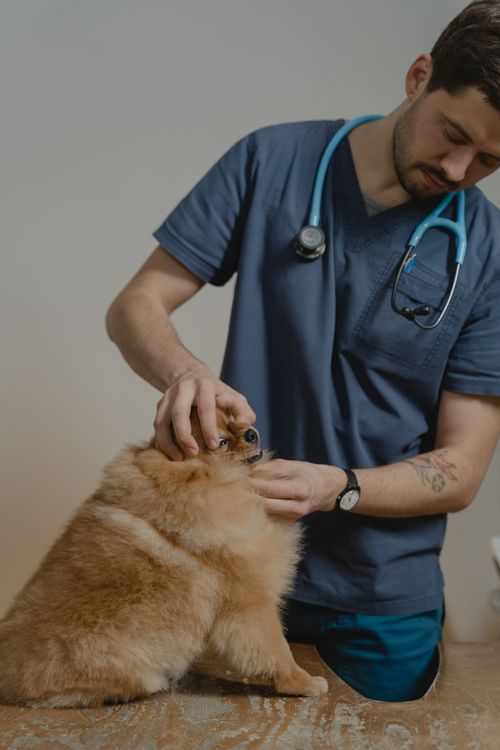
Ask a veterinarian whether they still do routine spays and you may get a careful answer. Patty Khuly, a small animal vet in Miami, argues in Veterinary Practice News that surgery has quietly become optional for general practitioners, and owners are the ones who pay for it.
Her explanation starts in veterinary school. Graduating with real independent surgical experience is hard, because teaching surgery is expensive. It needs case volume, anesthesia, equipment, technicians and faculty time, and every efficiency incentive pushes against all of that.
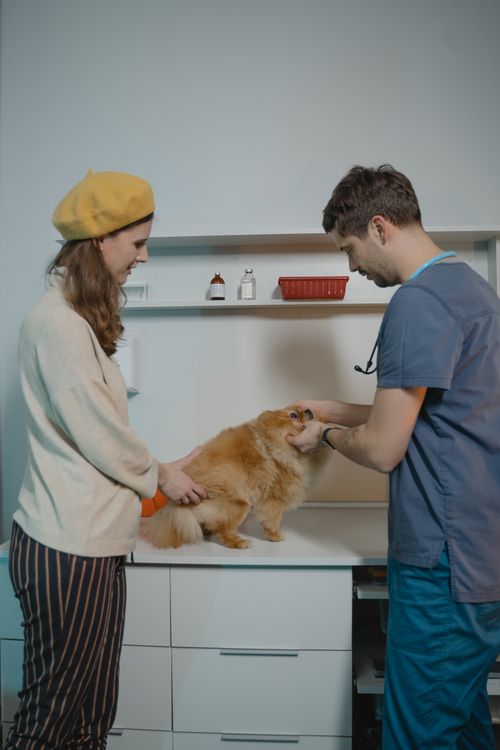
New vets learn on the job instead, which requires a senior colleague willing to scrub in and coach. Under current staffing shortages that kind of mentorship is the first luxury a busy hospital drops. Add the high-volume wellness clinics where surgery is not on the menu at all, and plenty of new vets go years without ever cutting a dog.
Referral then finishes the job. Boarded surgeons are now within an hour of most towns, so “I don’t do those” reads as good judgment instead of a gap. Khuly puts a number on the result: a routine $1,500 procedure becomes a $5,000 specialist one. Care also fragments, since the person who cut is rarely the person checking the incision on Monday.
What this means for your dog: ask early whether your practice performs the procedure you need, and get the referral estimate before you agree to it, not after. Ask who handles rechecks, who manages pain at home, and what to do if something looks wrong on day three. If the price is the real problem, raise it while the surgery is still elective, which is when insurance and payment plans actually help.