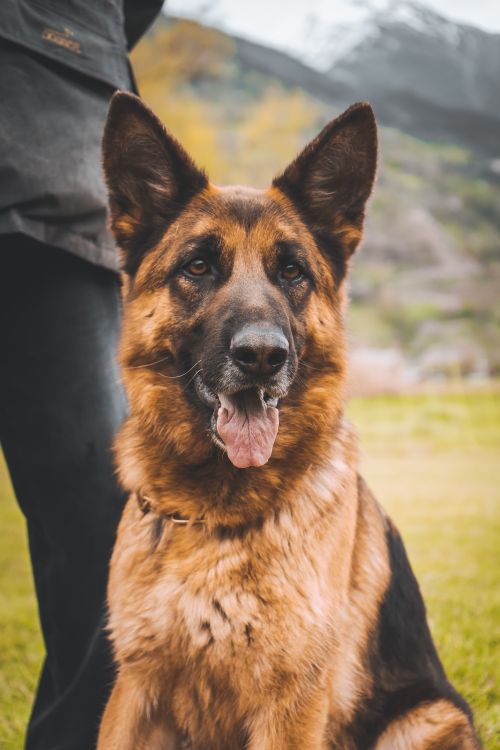
A German shepherd bred to patrol a fence line and one bred to trot around a show ring can look almost identical. A new study says the difference runs deeper than the pedigree paper: the two groups behave differently, and it shows up in their DNA.
Researchers at Uppsala University and the Swedish University of Agricultural Sciences looked at behavior test results from about 23,000 German shepherds in Sweden. The Dog Mentality Assessment puts each dog through fixed scenarios: an invitation to play, handling by a stranger, and a person dressed as a ghost-like figure who appears suddenly.
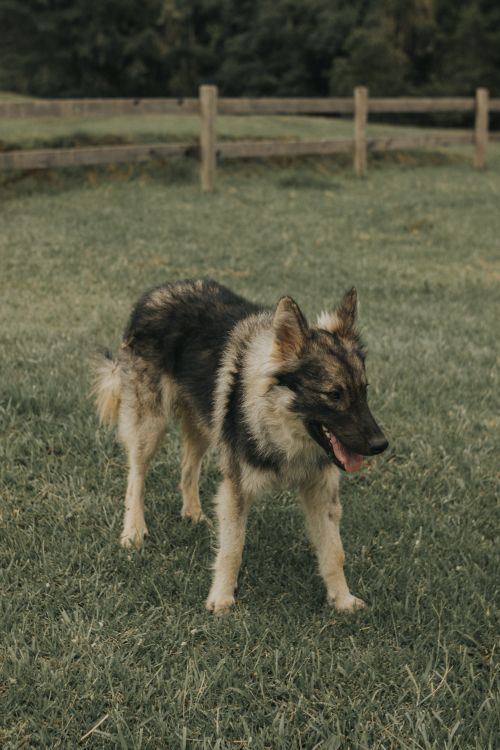
Working-line dogs scored as less fearful and more curious on average, and they handled contact with people more easily than show-line dogs. The team took blood from 373 tested dogs and mapped their genomes, finding regions that tracked with how playful or curious a dog was. A few of those genes have been linked to neuroticism in human studies.
What this means for your dog
If you are buying a German shepherd, ask what the parents were selected for, not just whether they have titles. Both lines are legitimate, but they were bred toward different jobs. A dog built to work all day may be miserable in an apartment with two short walks, and a dog bred for the ring may not have the drive you wanted.
None of this means a puppy comes with a temperament guarantee. A dog that flinches at the ghost figure is not broken. That test measures a startle response, and plenty of good dogs startle. Training and the home you build still do most of the work. If you want to see how far a breed’s genetic story can travel, the Chihuahua has its own surprise.
The study is in Animal Genetics, and Phys.org has a plain summary.