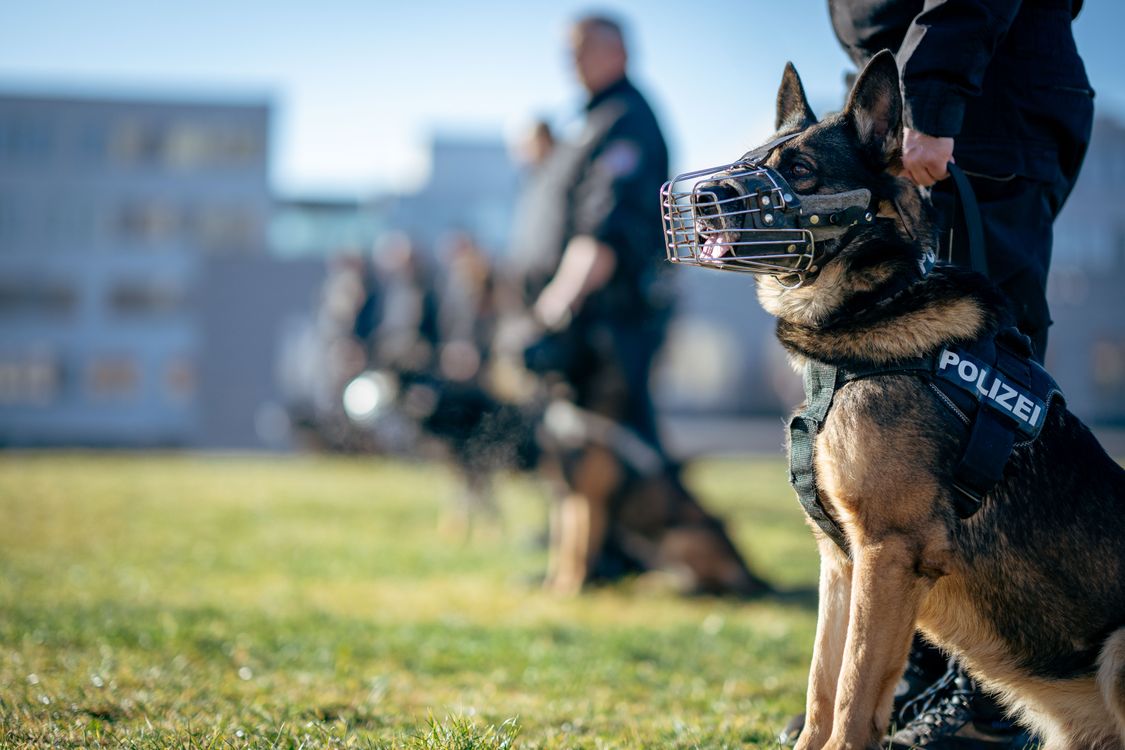
A police dog standing in a pub doorway can smell a bag of GHB through denim. Thames Valley Police in England has started training its canines on the drugs most often used to spike drinks, GHB, Rohypnol and ketamine, and sending them into pubs, clubs and festival queues on weekend nights.
The point is partly to find people carrying the drugs and partly to be seen looking. “These are planned offenses,” Sergeant Lath told the Chicago Sun-Times, which reported on the program. “It’s really about turning the tables.” Handlers read a change in the dog’s behavior when it catches a scent. The force has around 60 canines.
American departments are watching and mostly passing. Chicago police say their dogs are not trained on those substances. The Cook County sheriff’s office has two dozen dogs, and a little more than half are certified for cocaine, heroin, meth and cannabis. Illinois State Police said the same. Part of the hesitation is legal. Ketamine and GHB can be prescribed, so a dog alerting on them raises questions a court will ask, and Rohypnol sits in the same drug family as Xanax.
Brandon Parker, who trains police dogs at MPIK9 in Rockford, Illinois, thinks it would work here. “Is it being used here? Not that I know of,” he said.
What this means for your dog
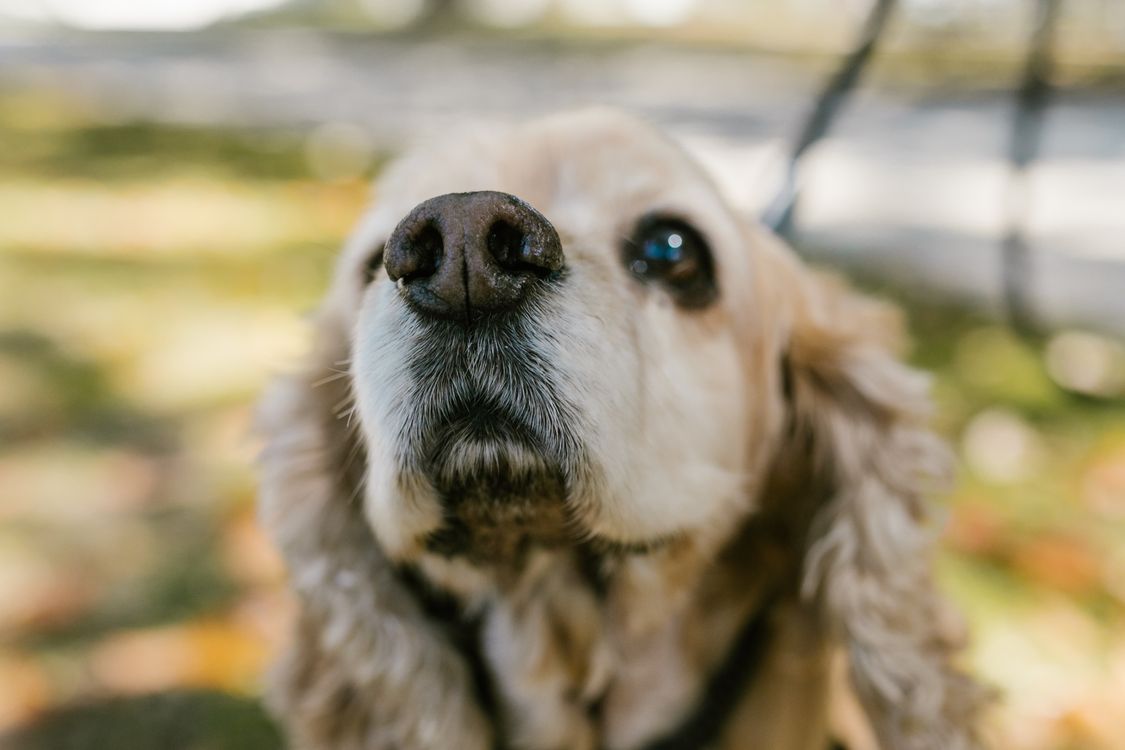
Nothing changes for your pet. What stands out is how routine the training is. A dog that already knows how to hunt one odor can learn a new one by adding it to the lineup, which is the same idea behind every nose work class at a local club. Owners can borrow it: hide a treat and let the nose take over. That slow sniffing walk is the same skill under a different name.