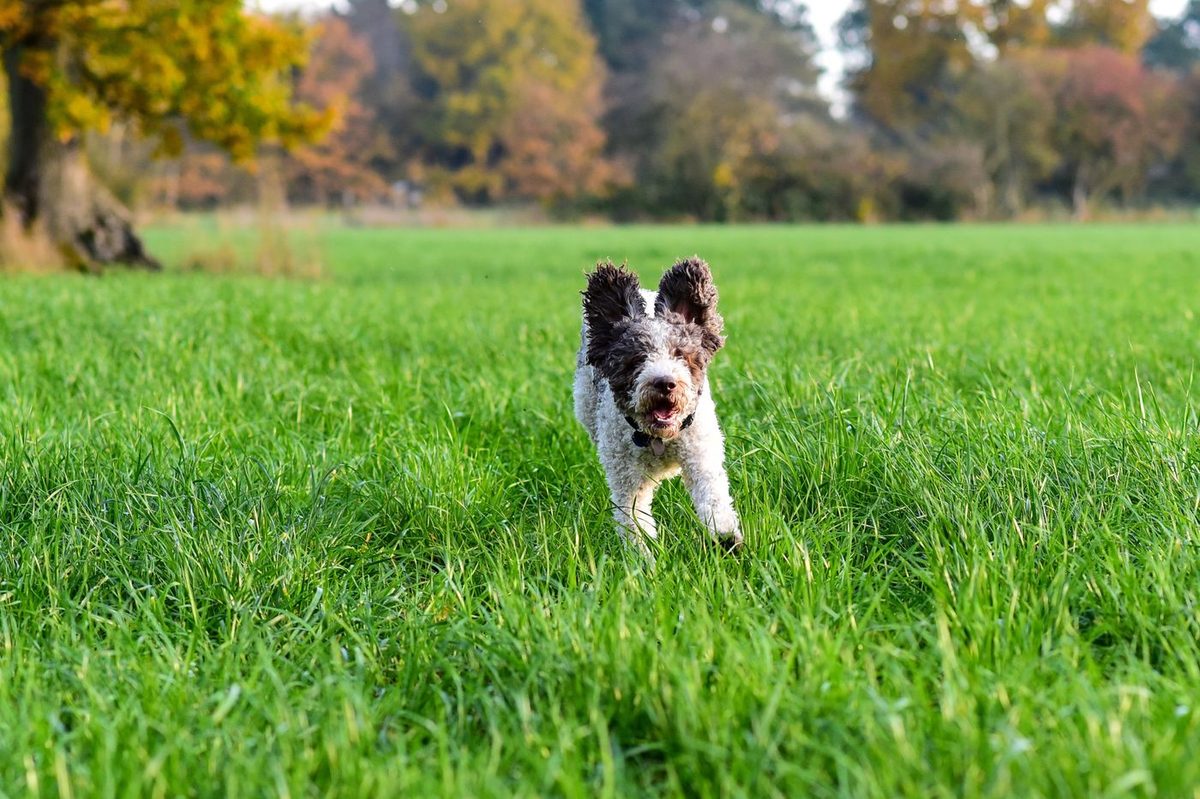
The front door stays open for four seconds. That is enough. Your dog is on the sidewalk, you are barefoot on the porch, and you are calling come in a voice you do not recognize. He looks at you, checks a smell, and stays put.
That is not disobedience. Recall is built in small steps, and most dogs have only practiced it in a house where nothing better was happening.
Why “come” stops working
The leash goes on, the bath starts, the crate door closes, the good part of the walk ends. If come usually predicts the end of something fun, the smell on the sidewalk wins.
Repeating the cue turns it into background noise. Calling from too far away lets him practice ignoring you. It is the same problem as a dog who only listens indoors, and the fix is the same: make the ask smaller.
Start with the name, not with “come”
Your dog’s name is the on switch. Teach it first. The AKC’s recall guide starts here too.
- Work in a quiet room, with the dog on leash or in a small space.
- Wait until he is looking at something other than you.
- Say his name once, in a bright voice.
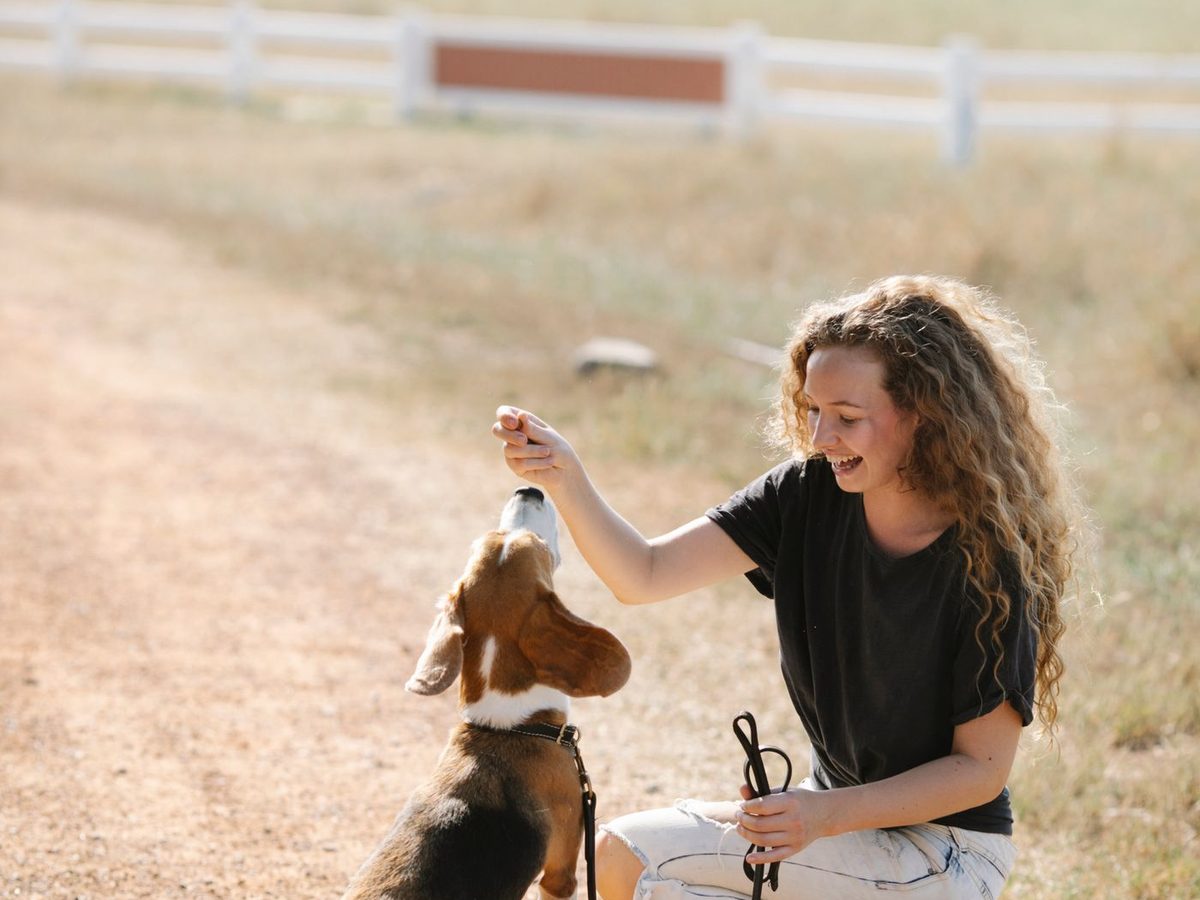
- When he turns, mark it with a click or a word like yes, then walk over and pay.
- Repeat five times, then add one distraction.
Teach the collar grab before you need it
A recall you cannot act on is not much use. Dogs who dodge hands slip a grip and bolt into the road. Karen Pryor Clicker Training calls the fix the gotcha game.
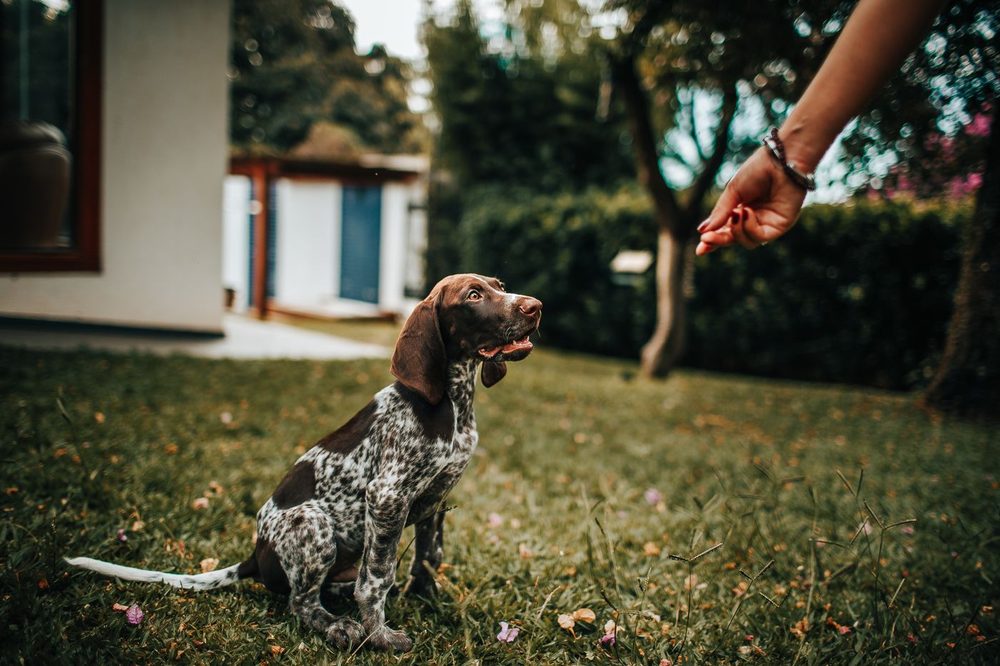
Touch the collar for half a second while he eats from your other hand, then build to a firm grip, feeding after your hand lands. Practice indoors, then outside, then at the end of a recall.
Build the cue in the house
Stand a few feet away, say the name, then come, and help him along: pat your legs, clap, crouch. Mark the moment he turns toward you, then ask for a sit at the end.
Running backwards as you call is the oldest trick and still the best, because a person moving away is more interesting than a person standing still. Call from another room, five to ten times, twice a day.
Take it outside, on a long line
Distance and distraction are separate skills, so add one at a time. Six feet of leash in the yard first, then a twenty foot long line in a park.
The long line is not a step down from off leash. It is how you get real repetitions outdoors without betting your dog on a new cue. Keep it on until he comes in from a scent, a passing dog, and a squirrel on the first call.
Never call a dog you know will not come. Walking over to collect him protects the word.
Pay better where it is harder
Treat value should track difficulty. Kibble in the kitchen, chicken in the park. If your dog breaks a sit for it, it is high value.
Then use the release. Call him away from something good, pay well, and send him back to it. Come should sometimes end with a return to the fun. Each easy recall is a deposit, and the busy road is the withdrawal.
Teach one word you save for emergencies
An emergency recall is a separate cue, never used casually. Emma Parsons’ method, published by Karen Pryor Clicker Training, is to pick a sound your dog has never heard, pair it with a food he gets only for that sound, and feed without expecting him to move. Ten repetitions a day for two weeks. Then test from another room. If he comes running, throw a party.
Save it for the moment the regular cue fails. An emergency word used daily is just another word.
If your dog is already loose
Do not chase. A running person starts a game, and your dog is faster. Run the other way, crouch, pat the ground, or open a car door. Most dogs break toward a person who has stopped acting like something to escape. Then take the collar, pay, and skip the lecture. A dog scolded at the end of a recall comes in more slowly next time.
This is why a lost dog search stalls. The numbers on lost dogs depend on the dog staying close.
How long this takes, and when to call someone
Indoors, a week or two. A fenced park takes two to four months of short, frequent sessions.
Some dogs never earn an off leash pass, and that is not a failure. A sighthound can be perfect at home and gone at a rabbit, and a long line is a reasonable life for those dogs, plus a safer one for everyone else on the trail.
Hire a certified force free trainer if your dog bolts through doors, panics when left alone, or if a month of daily practice changes nothing. If other dogs are the trigger, start with leash reactivity.
Tonight, in the kitchen, five easy calls and good food. The sidewalk version gets built from those.