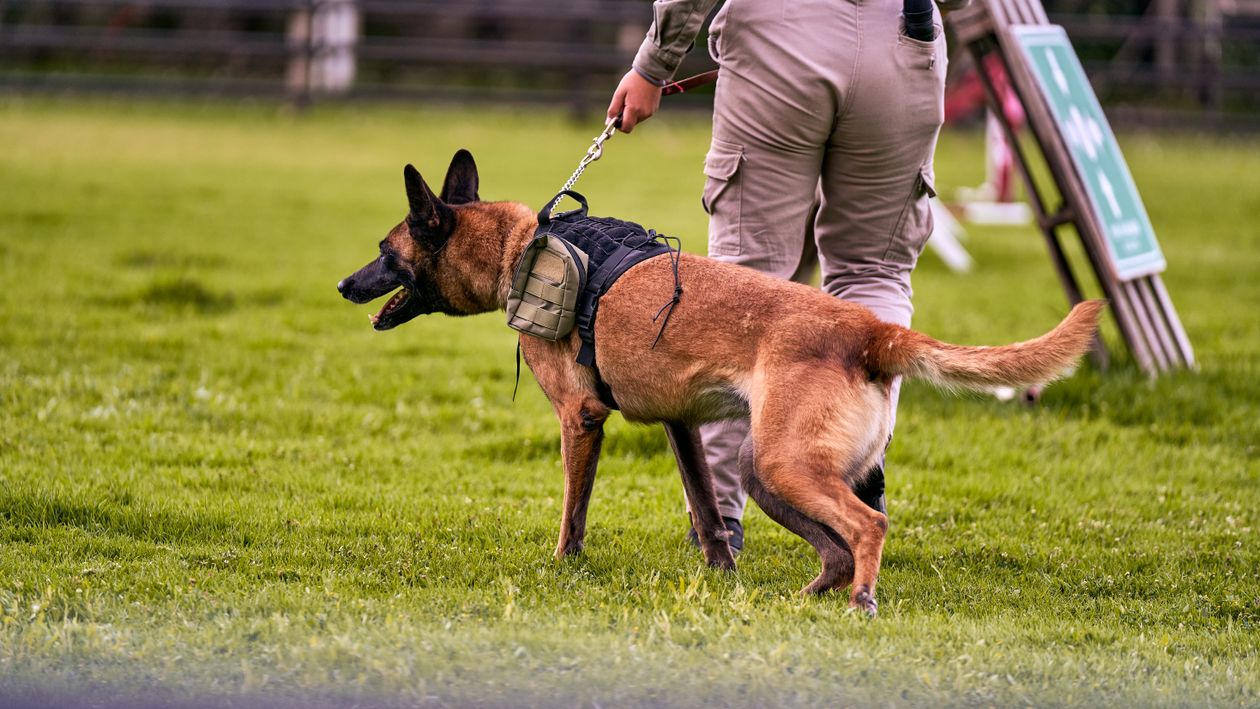
Northern Ireland’s police force has 36 working dogs this year. Three years ago it had 52. A third of the unit is gone, and not because the dogs stopped being useful.
The Police Service of Northern Ireland told the BBC that budget pressure hit its dog section, mostly through fewer handler posts. Each handler can work two dogs, so when posts go unfilled the dogs go with them. Twenty dogs have retired since 2022 against 19 new ones brought in, and 2025 was particularly rough, with 12 dogs released in one year. Some retired alongside their handlers, since moving an older dog to a new officer would not have been in the dog’s interest.
Inspector Neil Harrison called the unit vital to everyday policing. Patrol dogs recover stolen property after burglaries. They get called in when officers are dealing with someone armed or violent, and their presence alone can cool a situation down. Training runs on rewards, with dogs starting around 18 months and working until about eight. German and Belgian shepherds do the patrol work, while cocker spaniels and Labradors handle detection.
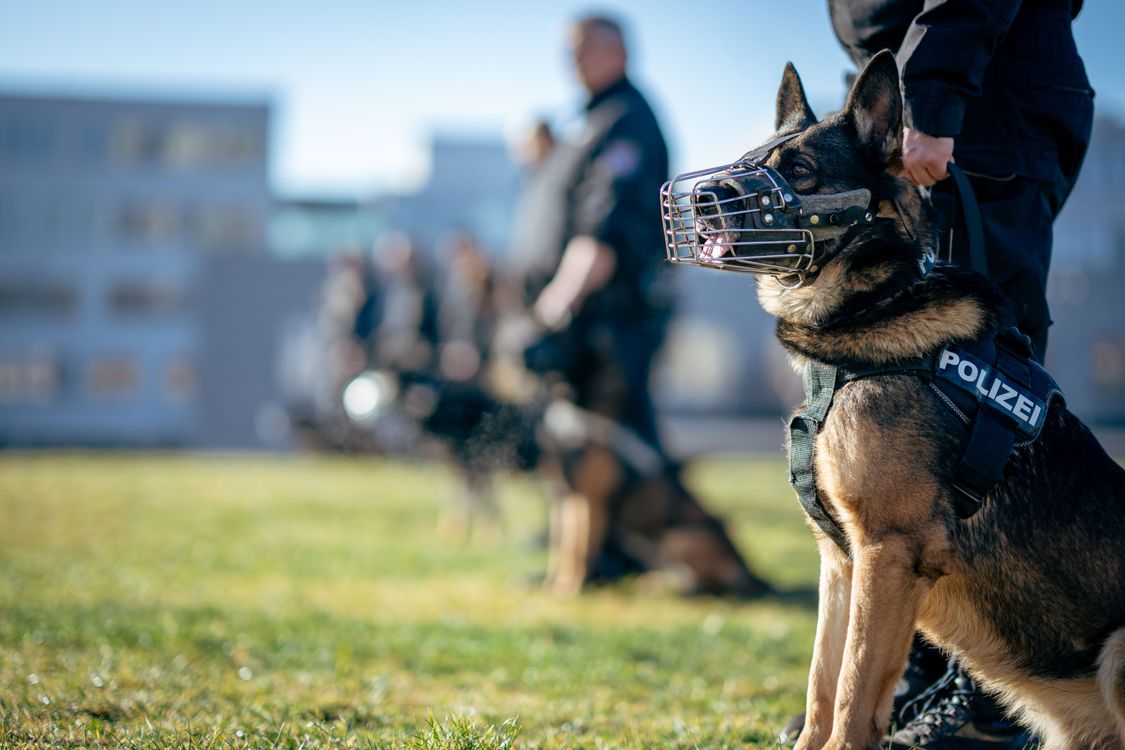
Drones come up in every conversation about the shortfall. Harrison said the two complement each other rather than compete, and the force expects numbers to climb again in 2027.
What this means for your dog
Nothing changes on your evening walk. The interesting part is the training model, which has less force in it than most people assume. Reward-based work, breaks through the day, retirement around eight. If your dog has the drive and the nose, scent games are the closest thing to an audition, and the window opens young. Forces elsewhere are already training dogs to sniff for drink-spiking drugs, which says plenty about how far the job has moved past chasing suspects.