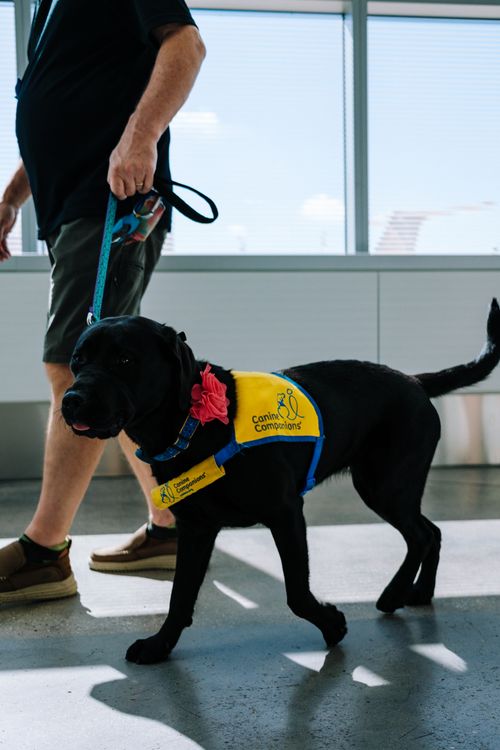
Amy Jo Keisel was eight years old when a routine check found blood sugar too high for the clinic’s glucometer to read. She has lived with Type 1 diabetes since then. These days she has Dash, a dog trained to tell her when her glucose is heading somewhere dangerous, sometimes before the technology on her arm says anything at all.
The program behind him launched in 2025 at Dogs Inc., the Florida service dog organization. Selected dogs are trained on scent, learning the shift in a person’s smell that comes with a high or a low, then taught to alert by pawing, nudging or another behavior their handler will notice.
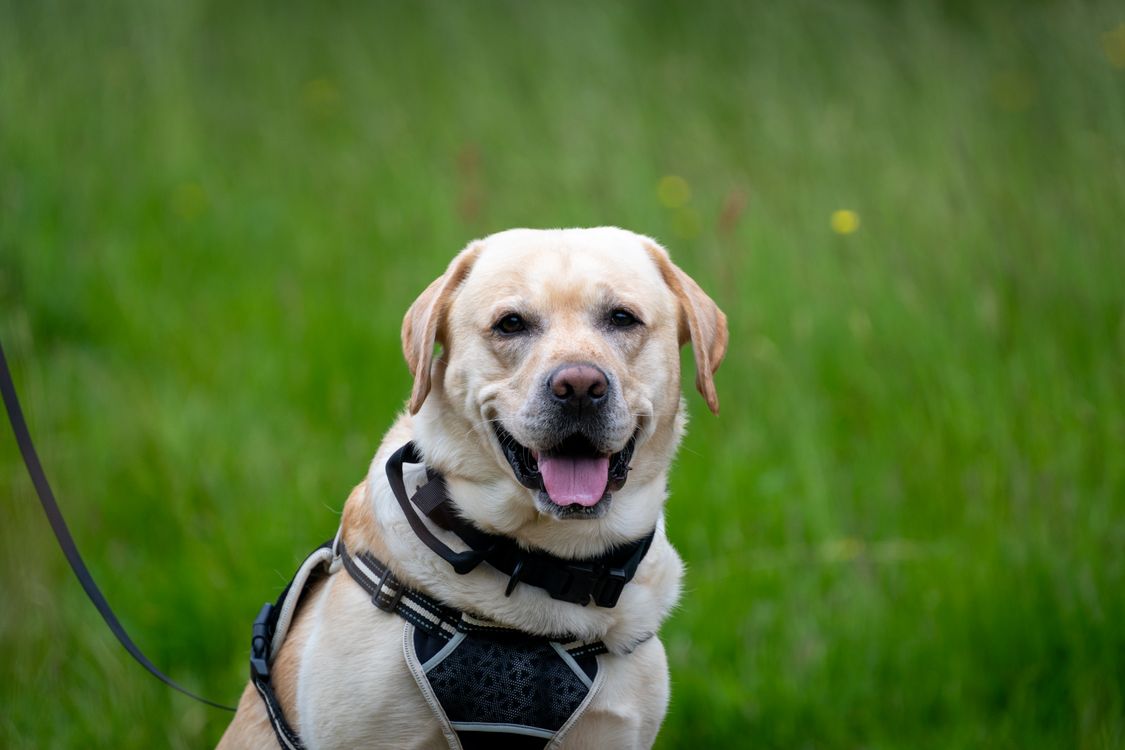
Dash does more than alert. Dogs in the program can learn to fetch an insulin kit, stay close through a low, and settle in beside their handler during the slow climb back to normal. Keisel finished training this year.
The evidence is promising but not settled. A 2026 review of ten studies found that seven reported dogs picking up both high and low episodes, and that accuracy varied a lot from one dog to the next, and from one person to the next. Some dogs miss a change. Some alert when nothing is wrong.
What this means for your dog: an alert dog works as backup, not as a replacement for a glucose meter or a continuous glucose monitor. Ask a program how it trains the alert, how it tests reliability, and what happens to a dog that washes out. The service dog world has its own access problems, as the hearing dogs turned away from clinics story showed. Dogs Inc. is taking applications from people with Type 1 diabetes now.