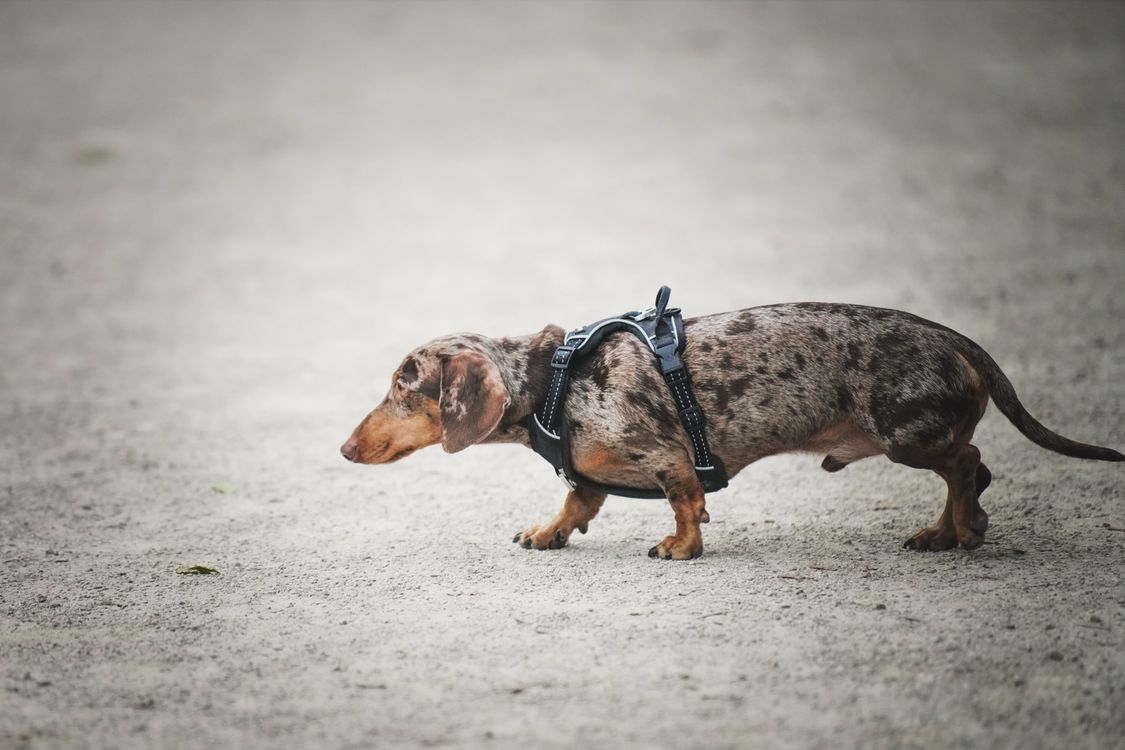
Luis Yambo’s family came home from lunch to find Dirk, their 4-year-old boxer mix, unable to move his hind legs. An emergency clinic kept him overnight. At 2 a.m. the call came: he was getting worse and needed a specialist. By 5 a.m. the family was at North Carolina State University’s veterinary hospital, facing three choices. Surgery to take pressure off the spinal cord. Medical management at home. Or euthanasia.
They chose the middle one, and four weeks later Dirk was running. He is one of about 50 dogs enrolled so far in a study at NC State’s College of Veterinary Medicine that follows dogs with a ruptured spinal disc through recovery without an operation. The study is still enrolling and has not published results. What it is building is evidence for a path many families hear described only as a long shot.
What a slipped disc actually does
Discs are the cushions between the bones of the spine. When one ruptures, its inner material pushes into the spinal cord. In the lower back, that is the wiring for the hind legs and, often, the bladder. Most dogs that suddenly cannot walk have this problem, called intervertebral disc disease, or IVDD. Short-legged breeds like dachshunds and French bulldogs are overrepresented, but any dog can rupture a disc.
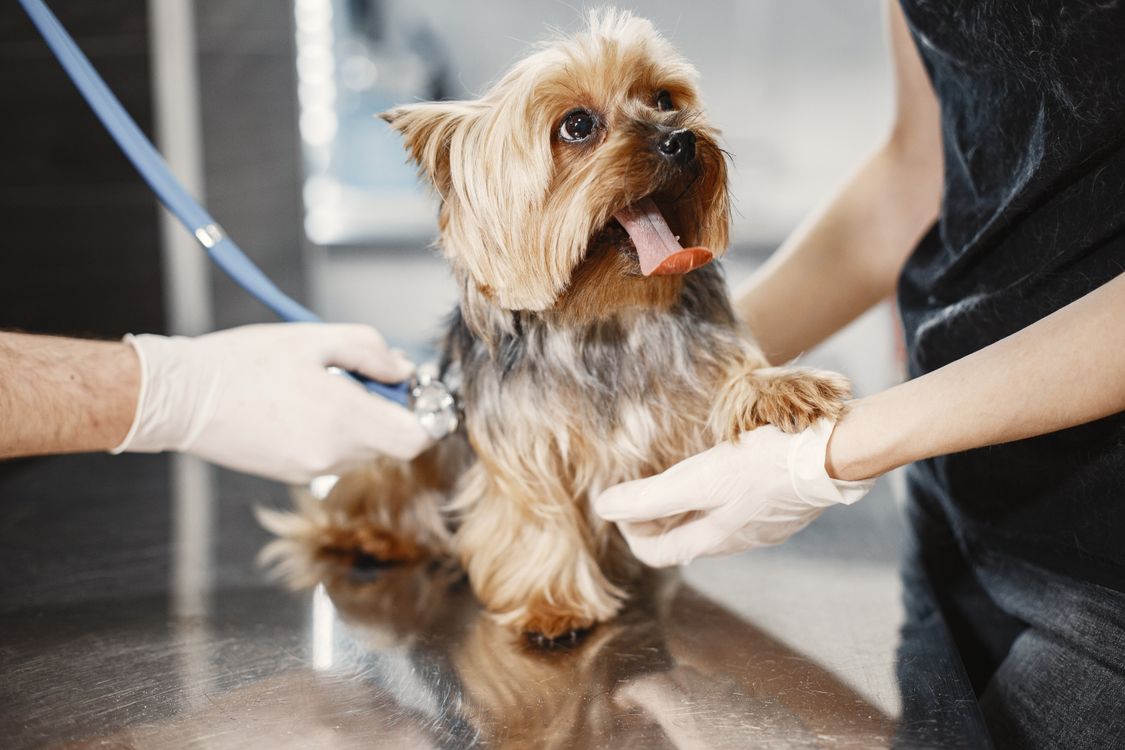
Surgery removes the disc material and relieves the pressure, and its outcomes are documented well enough for a veterinarian to give an owner a reasonably clear prognosis. Recovery without surgery has been studied far less.
The gap the study is trying to close
Dr. Natasha Olby, a professor of veterinary neurology and neurosurgery, tried to track these dogs years ago through a notice on an AVMA site for owners who declined surgery. Follow-up was hard to keep and the project stalled.
Last year the Stanton Foundation, which funds care for dogs in families of modest means, asked her to apply for a grant to finish it. Olby brought in Dr. Melissa Lewis, who leads the study, with Dr. Ashley Macina on the research team. The foundation put up $300,000, enough to hire two neurology research interns.
The team also asked clinics around North Carolina’s Research Triangle to flag any family that came in with a recently paralyzed dog and chose to take it home. Dogs qualify if they are 2 to 10 years old, lost the use of their back legs within the past week, cannot take more than three steps, and their owner has declined surgery. Enrollment opened in November 2025 and runs through the end of 2026.
What medical management looks like at home
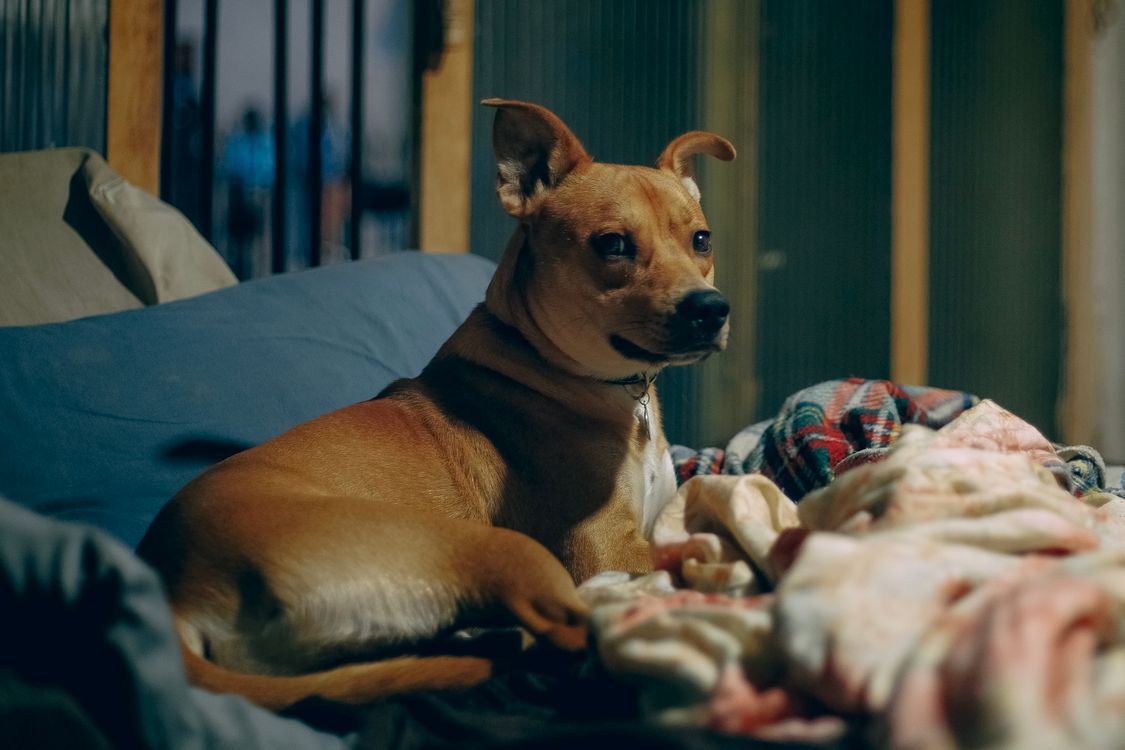
The protocol is stricter than the phrase suggests: six weeks of strict crate rest, medication to keep the dog calm, rehabilitation exercises three times a day, and sensory stimulation to keep an immobile dog engaged. Owners are taught to express the bladder by hand, since a dog that cannot walk often cannot urinate on its own. Heating pads go on the back. There are follow-up visits to NC State.
Dirk’s owner credits that routine. “The exercises and the heating pads they told us to put on his back really work,” Yambo said.
Six weeks is a long time to keep a young dog in a crate. It is also the part owners struggle with most, because a dog that feels better at week three will try to walk.
What this means for your dog
Sudden loss of the back legs is an emergency. Call ahead, and go somewhere with a neurologist on staff if you can reach one.
Ask specifically about deep pain sensation. It is a test of whether the spinal cord is still carrying signals, and it changes the prognosis and the urgency of surgery. Surgery is time sensitive, so the money question is worth answering in hours, not weeks.
If surgery is out of reach, ask for a neurologist’s input anyway and get a written home protocol rather than assembling one from forum posts. Crate rest only works if it is strict. Bladder care matters too, since a dog that cannot empty its bladder is prone to infection.
Expect weeks, not days. Dirk was still dragging his legs at his two-week check.
None of this is a substitute for your veterinarian’s assessment of your dog. The Dog Health 101 hub covers the exams and diagnostics that come up when a dog loses mobility. Related reading: why balance problems in dogs get missed and house soiling in older dogs.
The honest limits
These are early observations from an ongoing study, not published results. The team says a promising number of dogs have recovered the ability to walk, but no percentage has been released, and the study does not compare medical management with surgery head to head. Owners chose this route, so the group is self-selected, and it is one institution working with a few dozen local clinics.
Some dogs recover from a disc rupture with supportive care alone, and researchers still cannot say in advance which ones will. The study’s job is to narrow that uncertainty.
Dirk is not 100 percent. His owner says so plainly. But the dog who could not stand at 5 a.m. was running by week four, and the family that nearly said goodbye drove him home instead.
Sources: NC State College of Veterinary Medicine and the study’s clinical trial page.