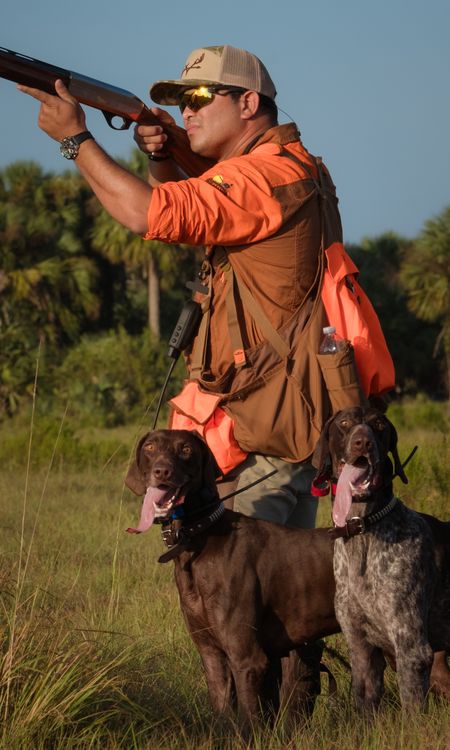
Kyle Stokke was about an hour into a quail hunt on public land near Twin Falls, Idaho, when his tracking unit lost the signal from his dog. He could see the drop-offs down to the Snake River ahead and had just decided to call her back.
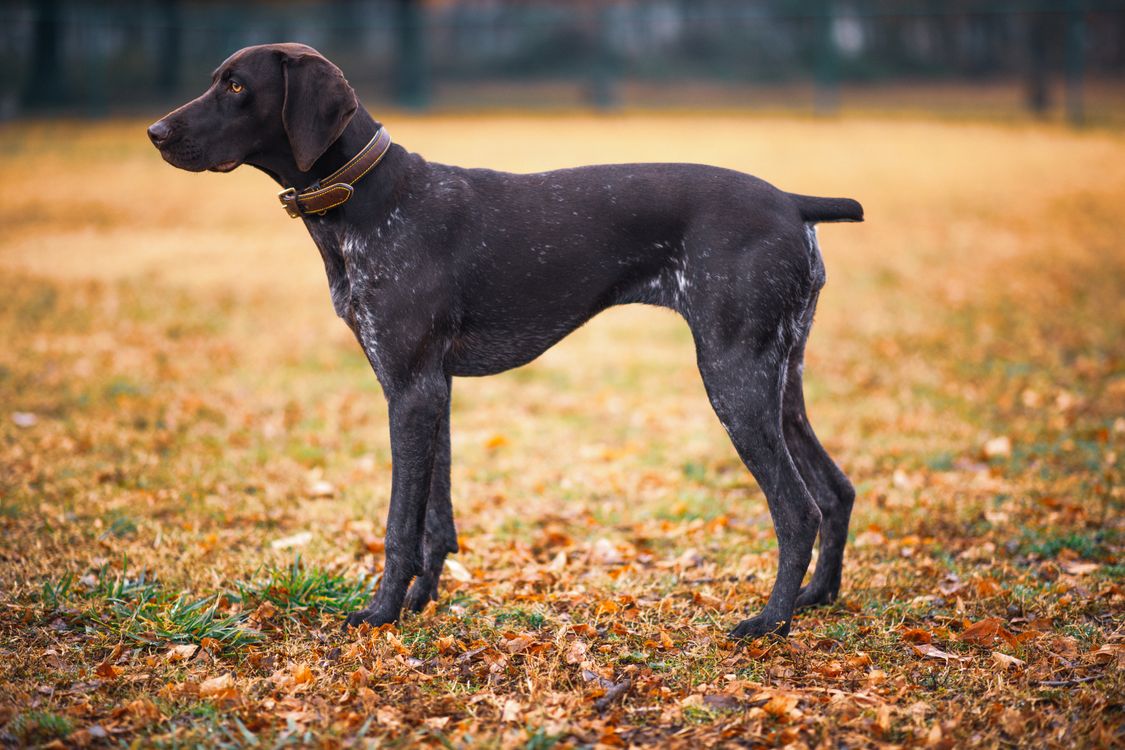
Esther, a four-year-old German shorthaired pointer, had stepped into a fissure in the basalt: a crack about ten feet long, no wider than a couple of feet, hidden under dead sagebrush. She fell at least 60 feet and landed on a ledge above the true bottom.
Stokke, 41, of Chanhassen, Minnesota, had driven 1,200 miles west with Esther and his Labrador, Gertrude. Other hunters had told him about the cliffs. Nobody mentioned the cracks. He beeped the tone on Esther’s collar, heard it behind him, and followed the noise to the hole.
The call went to Magic Valley Paramedics’ Special Operations Rescue Team, a 20-person volunteer crew that handles rope rescues around the Snake River Canyon. They were on the first day of a training weekend and reached the scene in about 30 minutes.
The opening was too tight for most of the crew. Rescuer Trevor Churchman went down about 40 feet on a harness rigged to a tripod over the hole. Two hours after she fell, Esther came up without a scratch.
Dogs do come back from worse. Clancy spent 16 days loose in the Maine woods before someone talked him out with pizza.
What this means for your dog: the GPS collar is the reason this ends well. Tracking with a tone or locate function turns “she vanished” into a search area you can walk. In country like that, keep the dog in sight and look at the ground ahead of them.
Source: Outdoor Life