
Your dog squats, strains, and almost nothing comes out. Ten minutes later he is back at the door, trying again. Plenty of owners read that as a stubborn infection. Sometimes it is a stone the size of a pea stuck in the urethra, and then the clock is running.
A lab that has analyzed 2 million stones
The Minnesota Urolith Center at the University of Minnesota opened in 1981 and now analyzes close to 100,000 urinary stones a year. In September it logged its 2 millionth sample, as Veterinary Practice News reported.
The stone came from Gizmo, a four-year-old Shih Tzu in New Jersey, sent in by Dr. Brett Lynn at MountainView Veterinary Hospital in Denville. It was an ammonium urate stone, a type tied to liver abnormalities and to inherited differences in how a dog handles uric acid.
Analysis is free, funded largely by an educational grant from Hill’s Pet Nutrition, and clinics in 103 countries have sent samples. Co-director Dr. Eva Furrow said the milestone shows how many pets live with stones.
That database is not a museum shelf. Work built on it produced the therapeutic diets vets use to prevent recurrence, minimally invasive removal techniques, and some of the genes behind early-onset stones. The center also helped develop urohydropropulsion: filling the bladder and flushing small stones out through the urethra while the dog is sedated.
Not all stones are the same
Calcium oxalate and struvite account for most cases. Of 10,444 stones sent to the Minnesota center between 2006 and 2018, calcium oxalate made up 47% and struvite 43.6%. The two also split by age. Nearly 80% of calcium oxalate stones came from dogs seven and older. Struvite skewed young, with 62% coming from dogs under four, and it usually grows because of a urinary tract infection with bacteria that raise urine pH. That is why it is more common in female dogs.
Calcium oxalate is metabolic instead. It cannot be dissolved, it recurs often, and some small breeds carry more risk, among them Miniature Schnauzers, Lhasa Apsos and Pomeranians. One trend worth watching: cystine stones rose from 1.4% of submissions in 2006 to 8.7% in 2018, and nearly all came from male dogs.
Urate stones, the kind Gizmo had, cluster in Dalmatians, Bulldogs and Black Russian Terriers because of a mutation in a gene called SLC2A9. A DNA test for it exists through the UC Davis Veterinary Genetics Laboratory. Those stones often do not show on plain X-rays, so ultrasound or urine testing is how vets find them.
How vets get rid of them
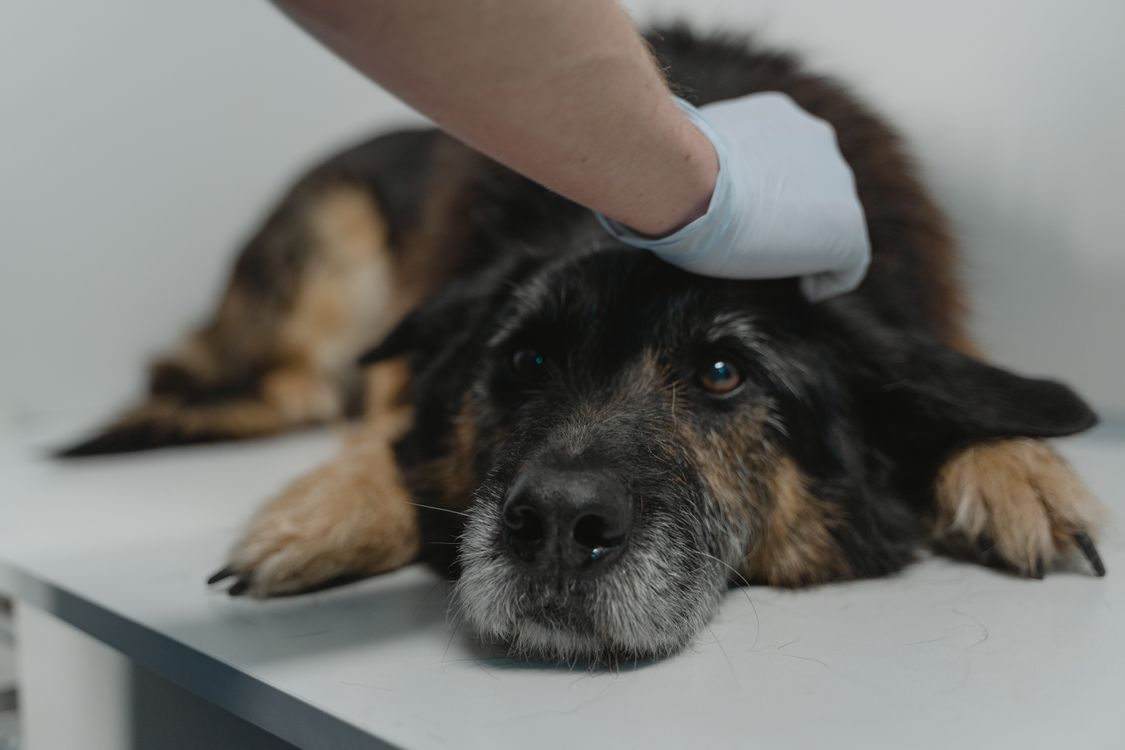
Struvite stones can often be dissolved with a prescription diet plus antibiotics to clear the infection. Calcium oxalate, urate and cystine stones will not dissolve, so they have to come out.
Some come out without surgery. Stones under 2 mm in male dogs and under 3 mm in females (in dogs weighing at least 5 kg) can usually be flushed out by voiding urohydropropulsion. Larger ones mean laser lithotripsy or surgery, and the center’s guidance is to remove them before they pass 7 mm, since bigger stones mean longer anesthesia and larger incisions. Dogs with a stone history get imaging every 6 to 12 months so a new one turns up small.
What this means for your dog
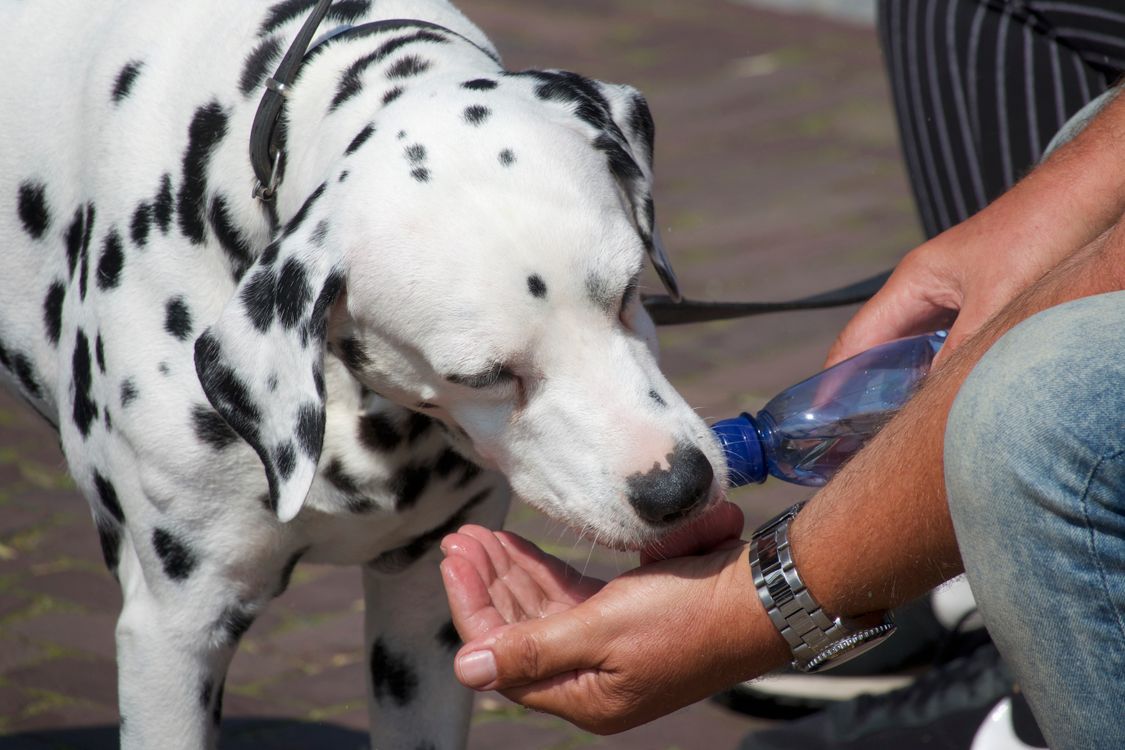
Water is the closest thing to a universal preventive. For every stone type except infection-driven struvite, more moisture in the diet is a cornerstone of prevention, and the goal is urine that stays dilute. Canned food, or kibble with water added, does more here than most supplements. Keep bowls fresh, especially for dogs who drink little.
If your dog has had struvite stones, ask your vet about a urine culture schedule of every one to three months.
Dogs that form calcium oxalate stones should not eat diets that acidify urine, and high protein works against prevention. Some ingredients in joint supplements can raise stone risk too, which the center flagged in late 2025, so bring the label to your vet before starting one. Treats rarely matter under 5% to 10% of daily calories.
Straining, frequent tiny urinations, blood in the urine, accidents in a housetrained dog and licking at the belly all point toward the urinary tract, and those signs are worth a call rather than a wait. A male dog who cannot pass urine at all needs emergency care tonight.
Cost is the part nobody likes. Lithotripsy and surgery vary widely by region and clinic, and plenty of owners freeze at the estimate. Ask for it in writing, plus payment options, before you decide. Our look at the vet cost survey where owners balk at $1,000 shows how common that wall is.
If your dog’s stone was analyzed, keep the report. The mineral type is the most useful thing you can hand a veterinarian, since the prevention plan is different for each one. Routine screening catches quiet problems like this, the same way it catches high blood pressure in dogs early. The Dog Health 101 hub covers the basics of checkups.
None of this is medical advice. If your dog is straining to urinate or you see blood, call your veterinarian.