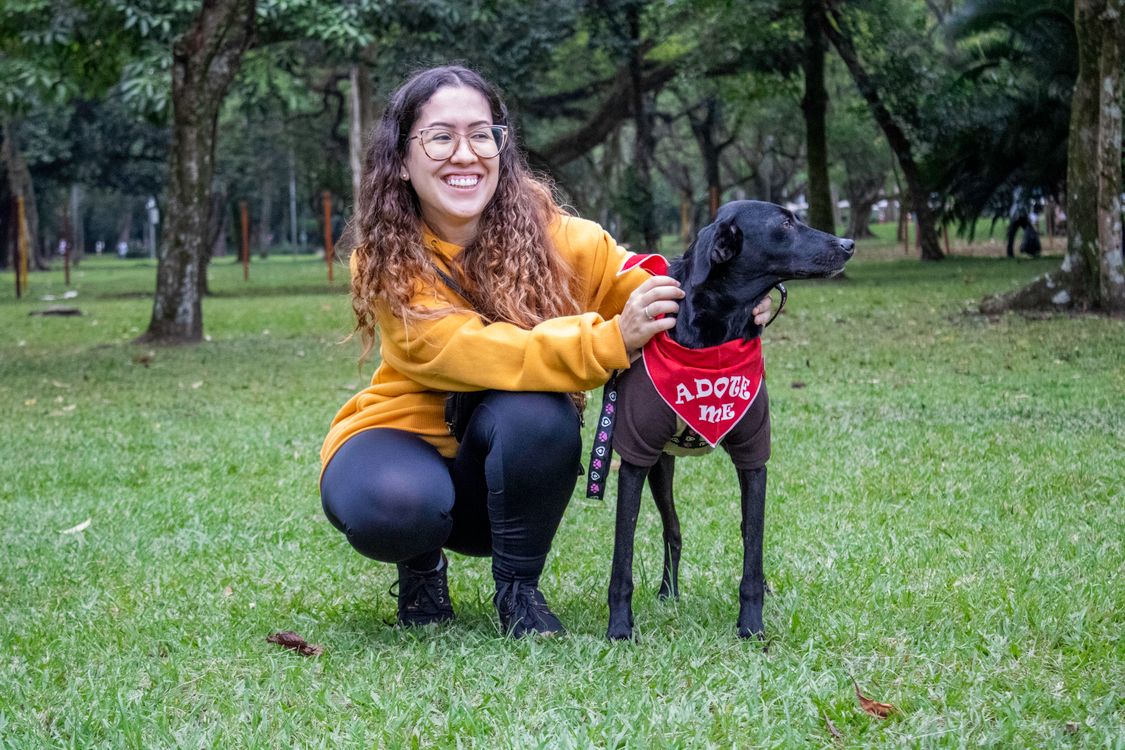
Most people thinking about adopting a dog are not short on love. They are short on information. A new survey of 26,002 adults in 14 countries, run by Censuswide for Mars in July, found that what stops would-be adopters is what they cannot see about the dog.
The gaps people named were undiscovered medical history (33%), behavioral background (27%), and household fit (25%). About 28% said they would adopt with the right guidance, and among current pet owners, 58% had not adopted at all.

What the first three months look like
Dr. Esther Bijsmans, a veterinarian with Mars Pet Nutrition, points new owners to the 3-3-3 rule: three days to feel safe, three weeks to build routines and trust, three months to settle in. Adopters said their best moment was watching their dog relax at home (43%), with the dog feeling like family close behind (41%).
Nutrition matters too. Of the adopters surveyed, 71% changed their dog’s diet after bringing the dog home, and sudden switches bring loose stools. Blend the old food with the new over a week or so.
How to get answers before you commit
Ask the shelter or foster for vet records, heartworm and vaccine history, and notes on how the dog behaves in a home. Foster-based groups usually have the fuller picture, because the dog has been living with someone.
What this means for your dog: a shelter or rescue that answers these questions openly is handing over what keeps a dog in a home. If nobody can tell you a medical or behavior history, treat that as an answer too.