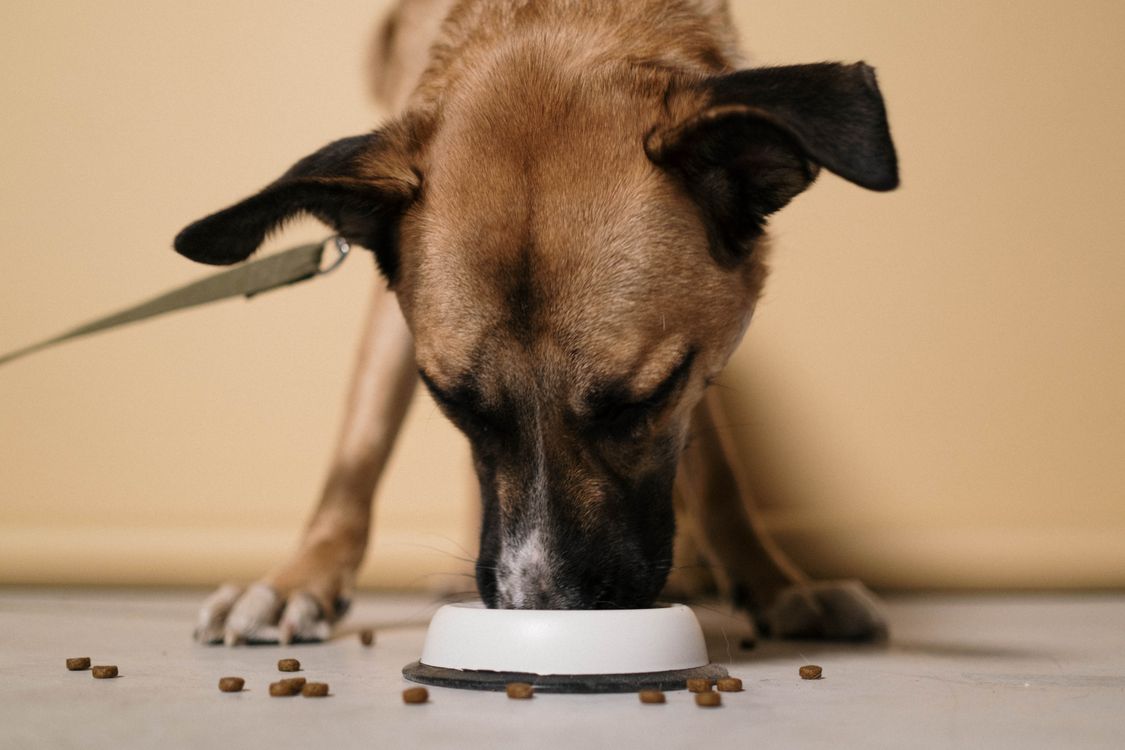
Walk the dog food aisle and you pass a few hundred bags. Nearly every one of them claims to be the best food you could buy. Whole Dog Journal’s Kate O’Connor sat down with companion animal nutritionist Mary Cope for a full interview on how to actually choose.
Their starting point is the dog in front of you, not the shelf. Age, size, activity level, and whatever is already in your dog’s chart narrow the field faster than any marketing copy on the front of a bag. From there the conversation turns to reading labels with a purpose instead of shopping by whichever package shouts the loudest.
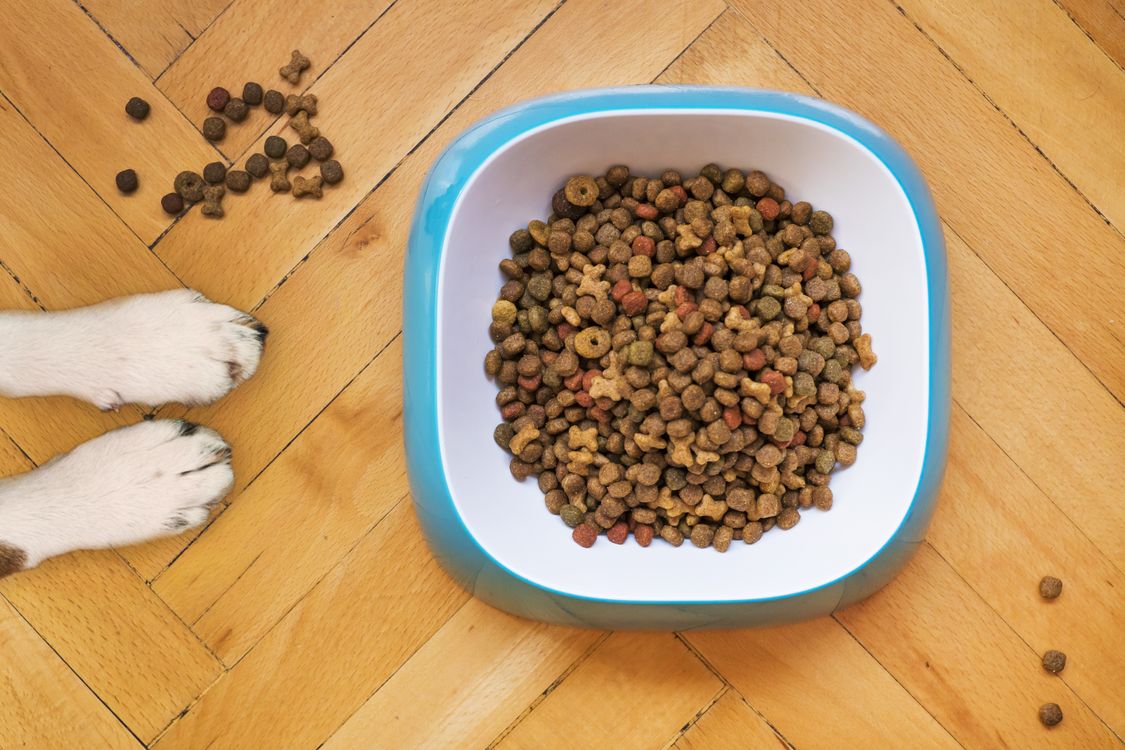
What this means for your dog: the only real feedback loop is the dog. Pick a food that fits the animal you have, feed a consistent amount, then watch. Stool quality, energy, coat condition, and body condition tell you more about whether a food is working than an ingredient panel ever will. If you switch foods, mix increasing amounts of the new one over about a week, since a sudden swap is one of the most common causes of an upset stomach.
Toppers help with picky eaters, and bone broth for dogs is easy enough to make at home. Keep it a topper rather than a replacement, so the complete and balanced food still does its job.