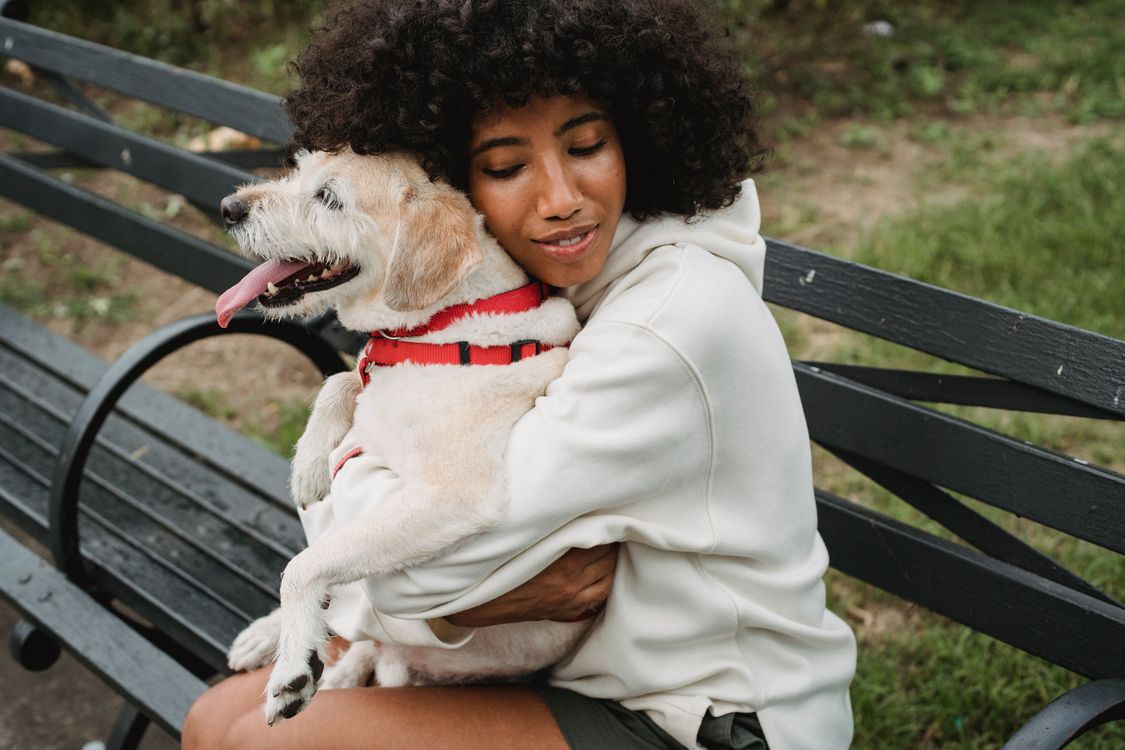
Four years is a long time to wonder what happened. Owl, a dog from Sedona, Arizona, slipped away from a grooming appointment in December 2021. His family put up posters and spread the word, then heard nothing at all.
Last week police in Pinetop, roughly three hours from Sedona, found a dog wandering along the road and scanned him for a microchip. It was Owl. He came back in rough shape, with his coat so matted that it covered his eyes and mouth, and his family says he is moving and sensing the world less easily than he should. The chip did the one job it was built for, turning an anonymous stray into somebody’s dog.
What this means for your dog
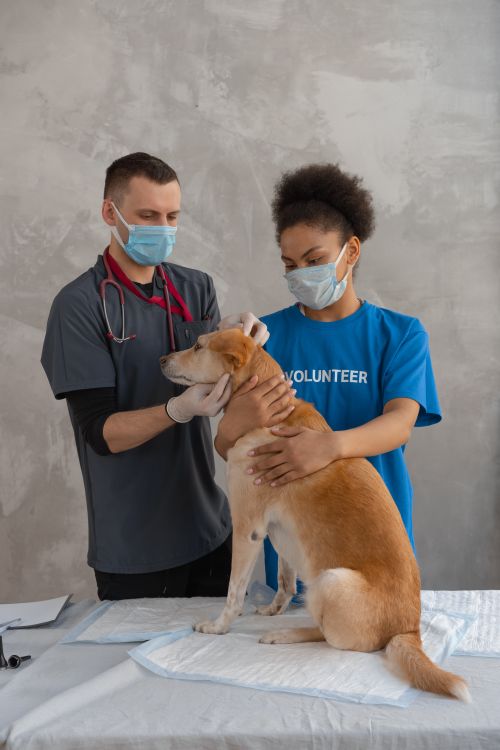
A microchip only works when the registration behind it is current. The scanner reads a number, then a vet, shelter, or police officer looks it up in the manufacturer’s database. If the contact information on file is a phone number you no longer have, the chip leads nowhere. Log in to your chip company’s account today and confirm your name, phone, and email. If you have moved or changed numbers since the chip was implanted, that update is the difference between a phone call and another year of waiting.
Then handle the cheap stuff. A collar tag with a current number still gets a dog home fastest, because whoever finds him can call you without driving to a clinic. Ask your vet to scan the chip at the next visit too, since chips can migrate and one that nobody can find cannot help. It is the same lesson behind the runaway pug whose police mugshot brought her home, and the reason the search for a missing Miami K-9 ended well.
The full story is at iHeartDogs.