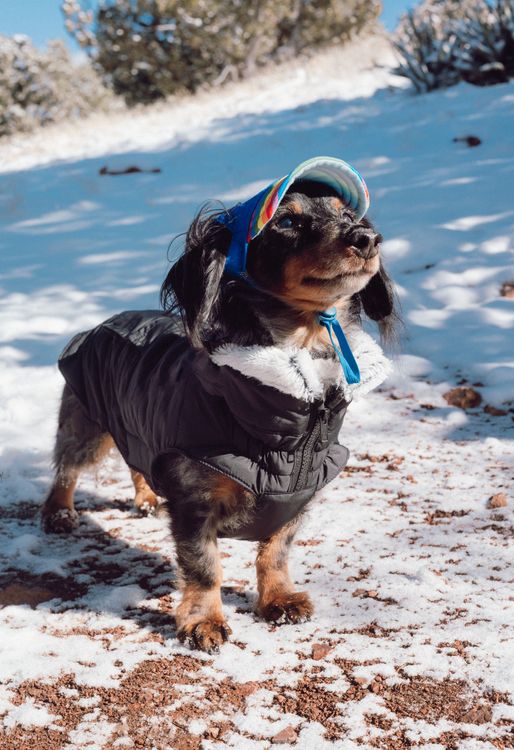
Every winter someone asks for the cutoff temperature. There isn’t one. Dr. Jo Myers of Vetster says a calm, dry 25°F afternoon can be easier on a dog than a wet, windy 35°F one. Wind strips heat, wet fur stops insulating, and your weather app ignores both.
Breed, size, age, coat and health move the line. A thick-coated dog who walks daily in January handles weather that would leave a short-haired puppy shivering within a block. Puppies, seniors and sick dogs struggle to hold body temperature, so they need shorter trips. Below 20°F is where vets start warning about frostbite, though wind and wet can do it warmer.
What a dog looks like when it has had enough
Shivering is the obvious one. Also watch for a dog that slows down, stops often, hunches its back, tucks its tail or keeps turning for home. Lifting paws can mean cold feet, or ice, packed snow and road salt burning the pads.
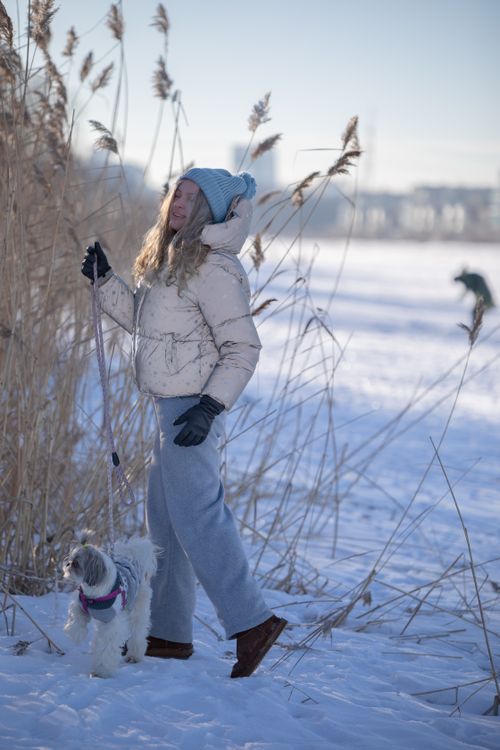
Frostbite shows up on ears, paws and tail. Dr. Jamie Paglia of MedVet Pittsburgh says to warm the area with lukewarm water, skip the hair dryer and heating pad, then call the vet. Hypothermia looks different: violent shivering, stiffness, lethargy, a weak pulse and slow breathing. That dog goes inside, gets wrapped in blankets, and goes to the vet now.
What this means for your dog
Split the long walk into two short ones on bitter days. Put a coat on the small, thin-coated and elderly dogs, boot the paws if your route gets salted, and check between the toes afterward. Keep spare food, water and a blanket inside in case a storm cuts the power. Our guide to winter care for senior dogs goes deeper, and fitting boots before the first freeze beats doing it in a snowbank.