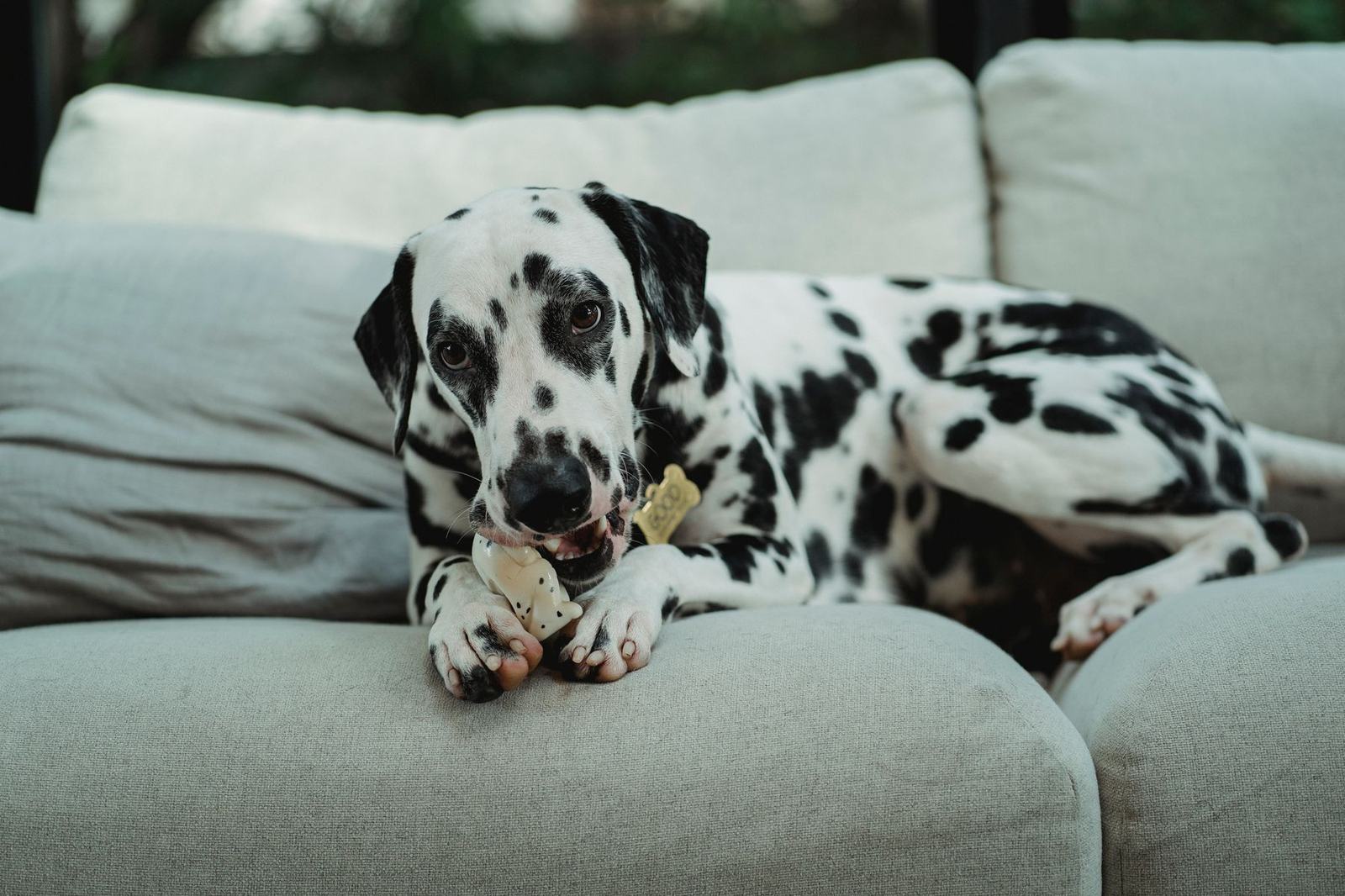
You set the bowl down, walk past, and your dog goes still. The lips lift a little, and a low rumble comes out of a dog who has never growled at you before. It feels like a small emergency in your own kitchen.
That stillness has a name. Resource guarding is one of the most common complaints trainers hear.
What resource guarding actually is
Guarding is normal animal behavior. The ASPCA notes that wild animals who protect food and resting spots are the ones who survive. At home it shows up over a food bowl, a chewed bone, a stolen sock, a bed, or sometimes a person.
It is not a bid for dominance. AKC evaluator Nicole Costanza says any dog can guard, from any breeder or shelter, and it depends on the individual dog and its history. Your dog learned that standing over something and growling makes the threat go away.
Know the signs before the growl
The early signals are easy to miss. The body stiffens over the item, the dog freezes, the eyes go hard, and the whites show in a quick side glance (whale eye). Then the lips lift, and a low growl arrives.
Treat the growl as information: he is uncomfortable, and he is telling you before anything worse happens. Punishing a growl removes the warning, not the fear behind it.
Step one: change the setup this week
Management comes before training. Feed your dog in a separate room or behind a baby gate. Give chews and long lasting treats in a crate or pen where nobody walks past. Keep counters clear, do not pull things out of his mouth, and never take stolen food away from a dog who guards.
Many owners do fine with management alone when no children live in the home.
Step two: teach a trade
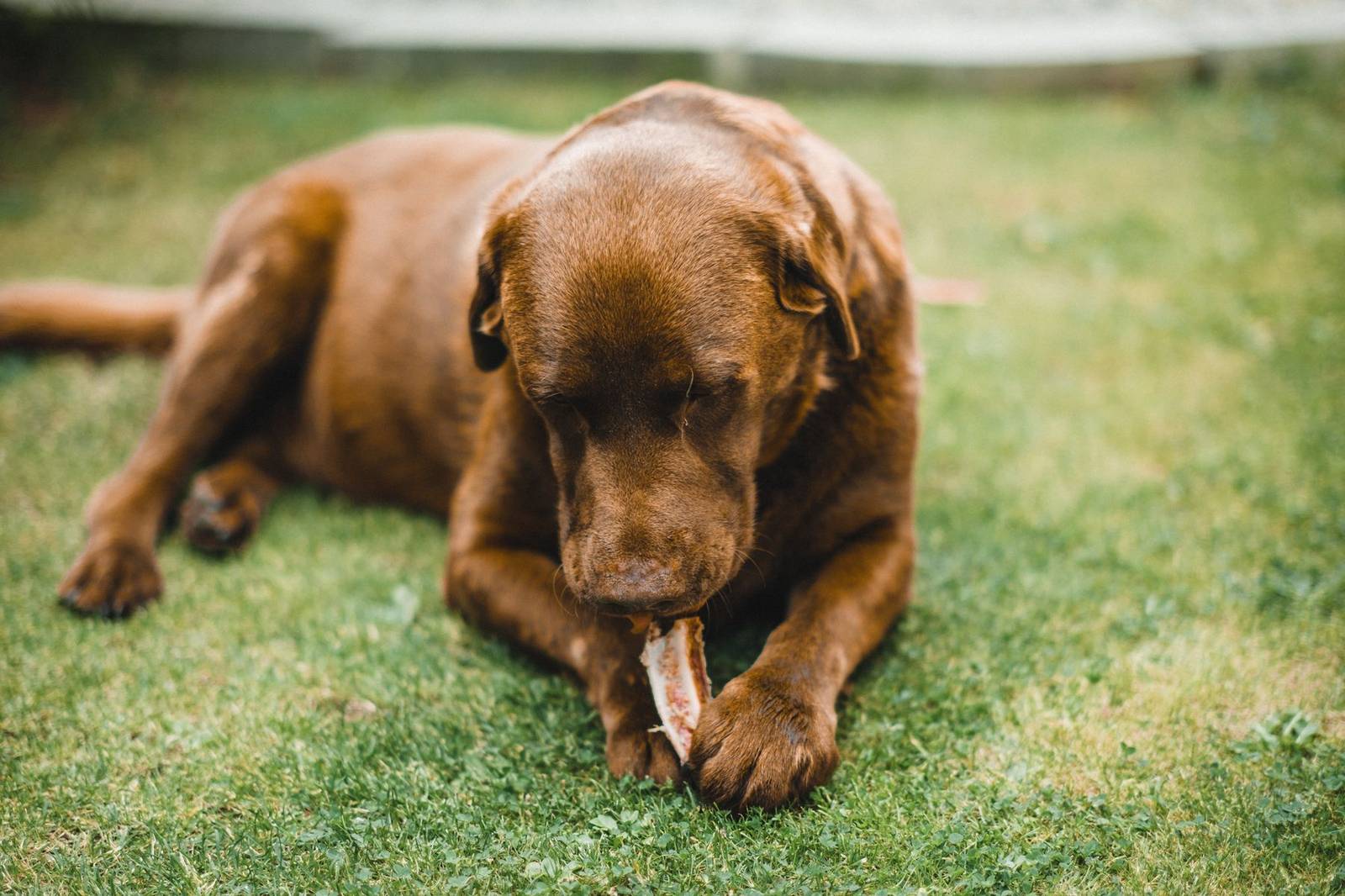
Trading is the most useful skill for a guarding dog, and it works for anything he picks up. It is the same pattern as any replacement behavior you teach.
Start with something he barely cares about, like a toy he ignores. Say “trade” once, hold a piece of chicken or cheese at his nose, and wait. The moment he lets go to eat, pay him and give the toy back. Handing it back teaches that letting go is not the same as losing.
In real life, use the same cue with a better treat and keep the item. Practice on low value objects for a week before anything he loves.
Step three: make your approach worth something
Once trading is reliable, work on how your dog feels when you come near his bowl. This is desensitization and counterconditioning, the standard approach in both the ASPCA and AKC guidance.
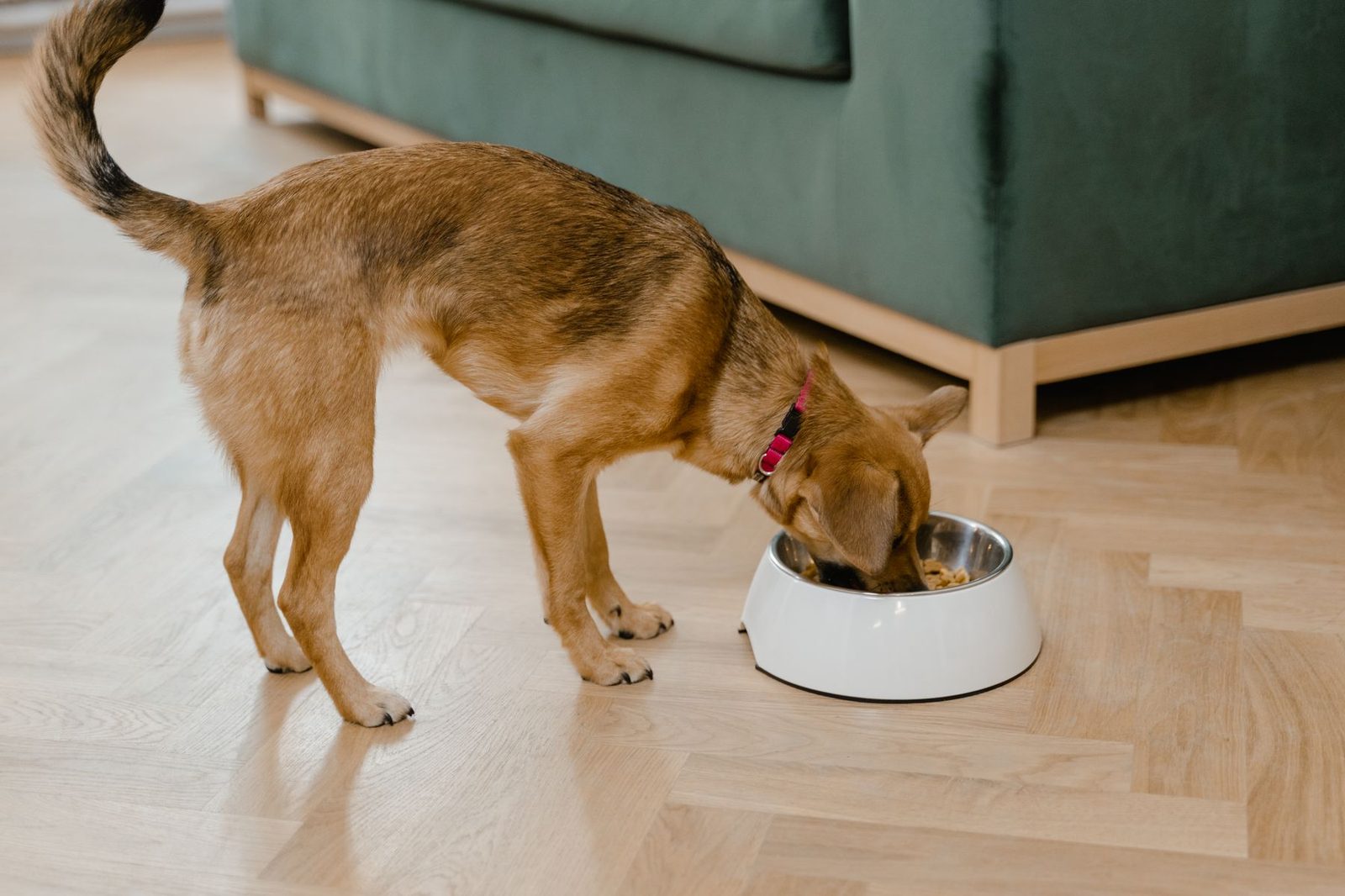
Stand a few feet away while he eats kibble from a bowl on the floor. Say something conversational, like “what have you got there,” and toss a special treat toward the bowl every few seconds until the meal ends. Do not step closer on the first day.
Close the distance over later sessions. The ASPCA ladder starts with a toss from a few feet, then from two feet. Next you stand beside him and drop a treat into the bowl, then touch the bowl while feeding from your other hand. Later you lift it six inches, then to waist height, then carry it to the counter and bring it back.
The AKC version tethers the dog to something sturdy and tosses food from six to eight feet. If the dog stiffens or lifts a lip, you drifted too close.
Step four: measure progress in meals, not days
The ASPCA benchmark is ten relaxed meals in a row at one stage before you move on. That is slower than most people want.
End every session on a calm note. If he freezes, stop for the day and drop back a stage next time. A plateau is a signal to slow down. Once the bowl work is easy, practice in another room, since dogs generalize skills poorly.
What not to do
Do not punish the growl, yell, or physically correct the dog. Do not take the bowl away to prove a point, and do not put a hand in the bowl to show him who is boss. Both the ASPCA and AKC warn that confrontation makes guarding worse. Aversive tools like leash pops and shocks have no place in this work.
Keep children out of the exercises. The ASPCA says plainly not to run food guarding exercises with anyone under 18, because children miss warning signals and move unpredictably.
When to call a professional
Get help rather than improvising in five situations:
- Your dog has bitten or tried to bite.
- Children or toddlers share the house.
- He guards food on counters or the table, where you cannot avoid the trigger.
- He stops eating during the exercises.
- A relaxed adult dog suddenly starts guarding. Book a vet visit first, since pain and vision loss can drive new guarding.
Look for a Certified Applied Animal Behaviorist, a board certified veterinary behaviorist, or a CPDT with real experience treating aggression.
What a realistic timeline looks like
Plan on weeks to months, not days. Puppies and mild cases often settle with a few weeks of consistent trades. Dogs with a bite history, or dogs who guard many different things, may need lifelong management plus professional help.