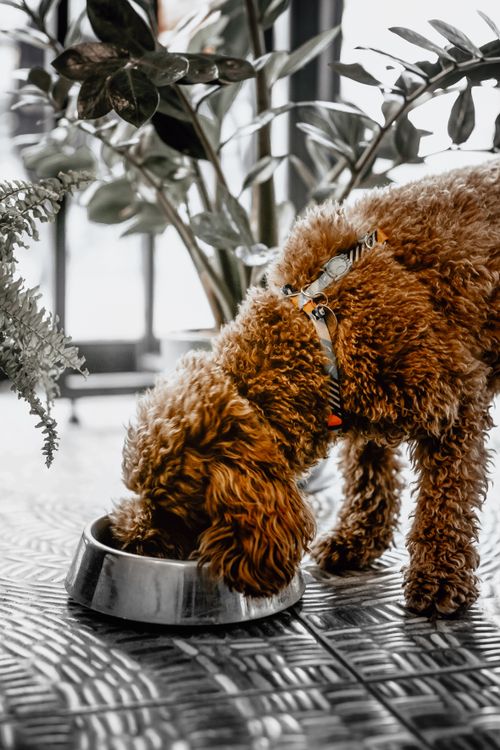
The slow cooker is out and my dog has noticed
The slow cooker came out this week, which means the house smells like Sunday and my dog has appointed himself supervisor. He sleeps through the doorbell. He does not sleep through the sound of a pot being lifted off the counter.
I understand the interest. Broth is one of the few things you can make in a big batch that a dog genuinely values, and it costs less than a bag of treats. Here is what it can do for him, what it cannot, and the version I make when I have an afternoon to spare.
What broth can and cannot do
Two useful things: moisture and aroma. A spoonful over kibble turns a boring dinner into an event, which helps with an older dog who has gotten picky or one who does not drink enough.
That is roughly where the magic stops. Broth is not a meal. It does not carry the balance of protein, fat, vitamins, and minerals a dog needs, so it should never push real food out of the bowl. It is also not a treatment for arthritis or gut trouble, whatever you may have read about collagen. If your dog is vomiting, refusing meals, sore, or weak, that is a vet question, not a ladle question. If joint comfort is what you are chasing, our notes on dog food for joint health cover what actually has evidence behind it.
Vetstreet’s walkthrough of homemade broth says the same: a topper, not a remedy.
Two ingredients, and that is the whole recipe
Plain bones and water. No onion, no garlic, no chives. Those are alliums, and they can damage a dog’s red blood cells. No bouillon cubes, no pan drippings, no seasoning blends, no salt added for taste. Dogs do not need a seasoned stock.
Diluting grocery store stock is not the shortcut it looks like. A carton can say low sodium and still list onion or natural flavors. The ASPCA list of people foods to avoid puts alliums and heavily salted foods right at the top of the trouble list.
Skip the bones off your dinner plate, too. Rotisserie carcasses, seasoned ribs, and roast drippings all carry ingredients you did not choose. Plain soup bones from the butcher counter are what you want.
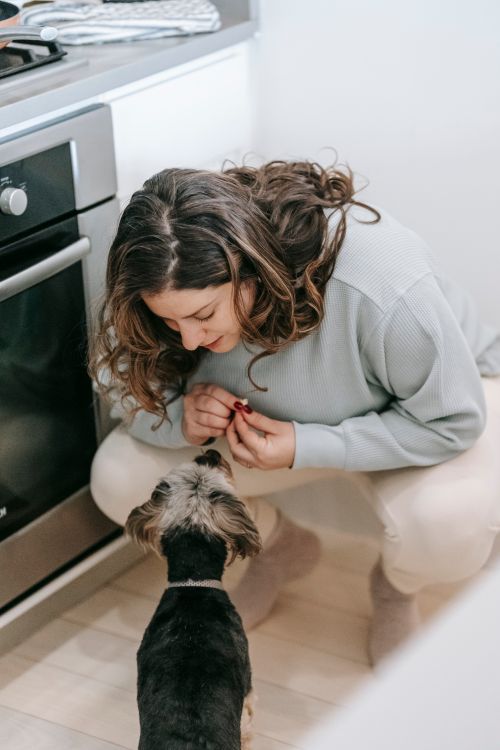
The batch I make, step by step
The cooking is easy. The part that takes care is keeping the dog away from the wrong end of the process.
- Set up before you turn on the heat. Fine mesh strainer, a clean container, and a lidded bin for the bones, all within reach. Wash your hands and refrigerate the bones until they go in the pot.
- Cover the bones with water and nothing else. Respect your appliance’s fill limits. If you are using a slow cooker, low is plenty.
- Simmer gently and stay nearby. This is the one stage where a curious dog can get hurt, so keep him out of the kitchen while it cooks.
- Lift the bones out with tongs and drop them straight into the covered bin. Cooked bones must never reach the dog. Not even as a treat.
- Strain twice. Once into a clean container, then again if the look of the liquid makes you uneasy. Splinters are the whole reason this step exists.
- Cool it fast, skim the fat, portion it out. Refrigerate in shallow containers so it chills quickly, then lift off the hardened fat layer. Extra fat is a bad idea for some dogs, especially anyone on a low fat plan. Freeze what you will not use soon in small labeled containers or an ice cube tray.
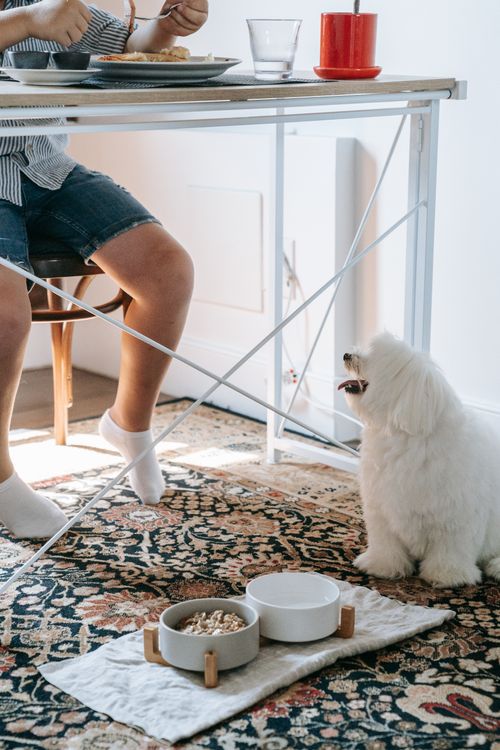
How much to serve, and how often
A couple of tablespoons warmed and stirred through the regular meal is plenty for most dogs. A frozen cube in a bowl is a nice thing to hand an older dog on a warm afternoon, and it keeps him busy.
Count it as food rather than garnish. Broth has calories, so if you are adding a topper every night, trim a little of something else to keep the daily total roughly where it was. And keep the water bowl full and fresh. Broth is not a substitute for drinking.
If you are already working on making the coming season more comfortable for an older dog, our checklist on whether a heated dog bed is worth it covers the safety side of that purchase.
When buying beats making
Sometimes buying is the better call, and it usually comes down to time or nerve. If you cannot confidently get every fragment out of the pot, a prepared dog specific broth is the more sensible choice.
Ask your vet before adding broth to a dog on a prescription diet, a sodium restriction, a low fat plan, or an elimination trial. Safe for dogs in general is a different question from suitable for this dog on this plan.
The five minute version
Buy a dog specific broth with no alliums and no added salt, pour it into an ice cube tray, freeze it, and pop one or two cubes over dinner. Five minutes of work, a couple of weeks of toppers, no strainer involved. This is what happens in my kitchen during a normal week. The full batch is for the Sundays when I want the house to smell like something is being taken care of.