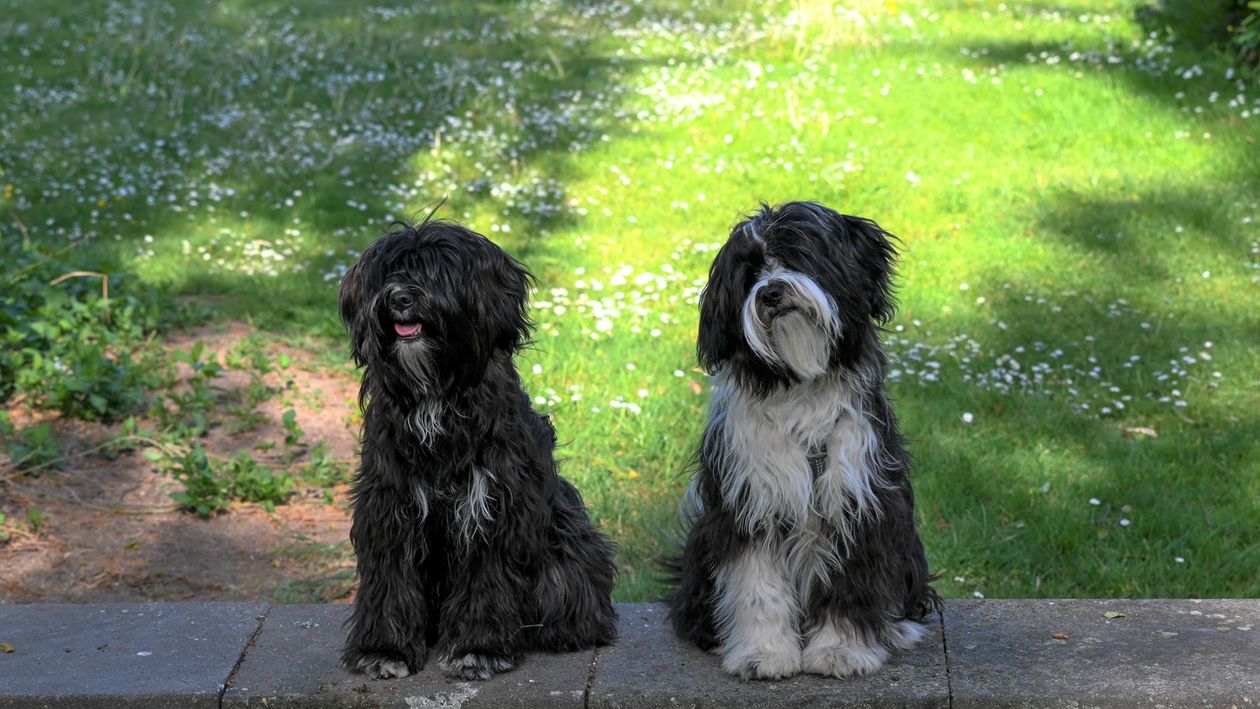
Your dog can be perfectly relaxed about you petting another dog right up until the moment you actually do it. Then a paw lands on your arm, a nose shoves between you and the newcomer, or a sharp bark announces that your attention is supposed to be on them. Researchers who study canine behavior say dogs can show jealousy-like behavior when a valued bond seems threatened by a rival (Canine Journal), and the timing is rarely subtle.
Most of the time this is ordinary attention seeking, not a behavior problem. The giveaway is body language. A dog who interrupts, stays loose and wiggly, and settles quickly is asking to be included. Stiffness, hard staring, growling, or snapping around food, toys, or people points to resource guarding, which is a defensive response and worth a trainer’s help.
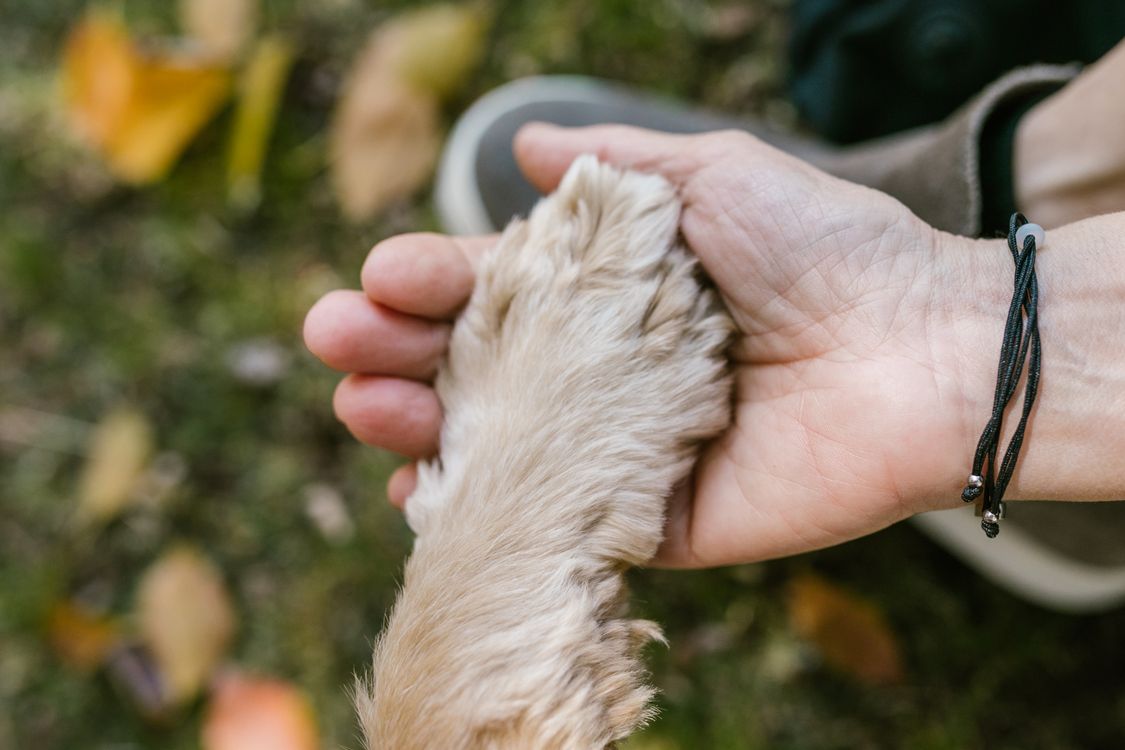
The fix for pushy attention seeking is to stop paying the loudest bid. Ask for a sit or four paws on the floor before you hand over affection, reward calm moments, and make sure the quieter pet is not consistently overlooked because they ask more politely. If a new baby, partner, or second dog changed the household, steady mealtimes and walks plus a little one-on-one time will do more than any correction, because routine changes show up as bad behavior surprisingly often.
Jealousy-like behavior that appears suddenly, along with changes in appetite, sleep, or energy, is worth a vet visit. Pain can look a lot like jealousy. And in multi-dog homes, how the first meetings go sets the tone for everything after, so a calm parallel-walk introduction beats forcing a face-off.