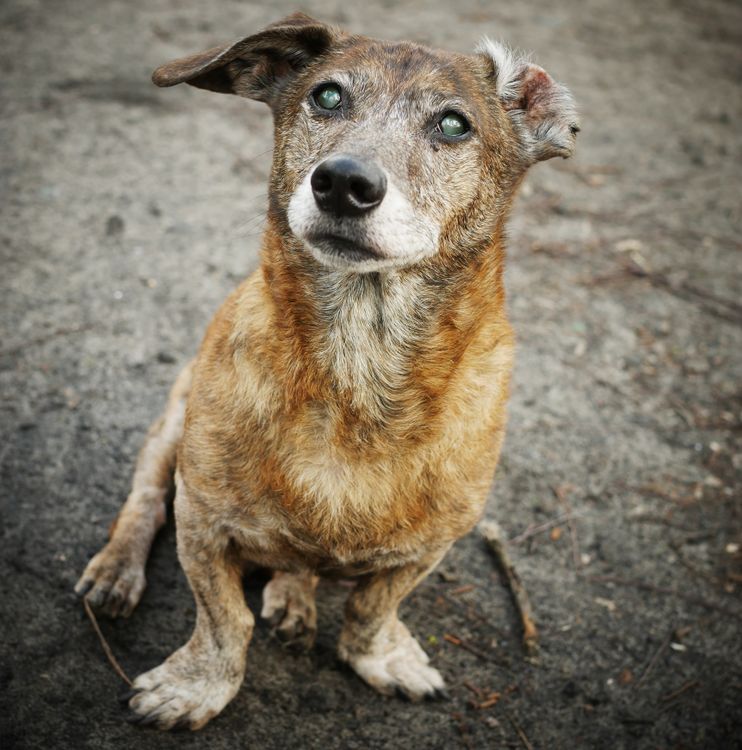
If you have watched a gray-muzzled dog slow down a little more each year, you know the questions that come with it. How much of this is normal aging, and is anything actually changing the timeline? A new study from the Dog Aging Project suggests dogs and humans age along surprisingly similar biological tracks, and the clues are hiding in the blood.
What the study found
Researchers analyzed blood samples from pet dogs enrolled in the Dog Aging Project, a nationwide community science effort that follows dogs through their whole lives. The team focused on metabolites, the small molecules the body produces during everyday processes like digestion, energy use, and cell repair.
Certain combinations of metabolites lined up with earlier or later death in dogs. When the researchers compared those patterns with five large published studies of human mortality, the signals were broadly similar. Dogs and humans, it turns out, carry overlapping metabolic fingerprints of aging.
The study appears in The Journals of Gerontology, Series A. Dr. Kate Creevy, chief veterinary officer of the Dog Aging Project and a professor at the Texas A&M College of Veterinary Medicine and Biomedical Sciences, led the work with colleagues including Dr. Daniel Promislow and Benjamin Harrison. The full paper is available through the journal’s website, and ScienceDaily covered the findings when they were released.
The patterns point to three processes that seem to matter most: metabolism, inflammation, and how cells respond to stress. None of these markers alone tells you how long a particular dog will live. Creevy is careful to say the biomarkers are linked with lifespan, not proven causes of it. They are starting points, a map of where to look next.
Why dogs make good aging research subjects
Dogs age faster than people, and that is part of why this research matters. Most dogs live 12 to 13 years, while humans on average reach their 70s. That difference lets researchers observe a full canine lifespan in the time it would take to follow only part of a human one.

Dogs also share their owners’ environments. They drink the same water, walk the same streets, and eat meals that reflect the same household habits. That overlap makes them a natural model for how lifestyle shapes long-term health, something lab animals can’t offer.
What this means for your dog
Right now, not much changes at the clinic. There is no test to buy and no new medication to request. The metabolic markers are research tools, not something a veterinarian can measure today. The real payoff is downstream: if dogs and humans share aging biology, discoveries in one species can inform treatment in the other, and the Dog Aging Project is built to test therapies that might slow aging in both.

In the meantime, the researchers’ practical advice sounds a lot like good advice for people. Keep your dog at a healthy body weight, feed a balanced diet, protect mobility, and keep the mind engaged. Knowing the early signs of weight gain helps, and we have a plain-language guide to spotting them. For the broader picture, our senior dog care guide covers the basics, and the Dog Health 101 hub collects everything else in one place.
If your dog’s energy, appetite, or mobility has changed recently, raise it with your veterinarian. Blood work is routine, and your vet is the one who can tell whether a change is normal aging or something worth acting on. This article is for information only and is not medical advice.
The bottom line
Longevity research moves slowly, but this study is a genuine step. It gives scientists shared targets in dogs and people, which means progress in one species can speed up the other. For owners, the message is simple: the habits that keep us healthy appear to keep our dogs healthy too. That is worth acting on today, starting with the walk you already planned.