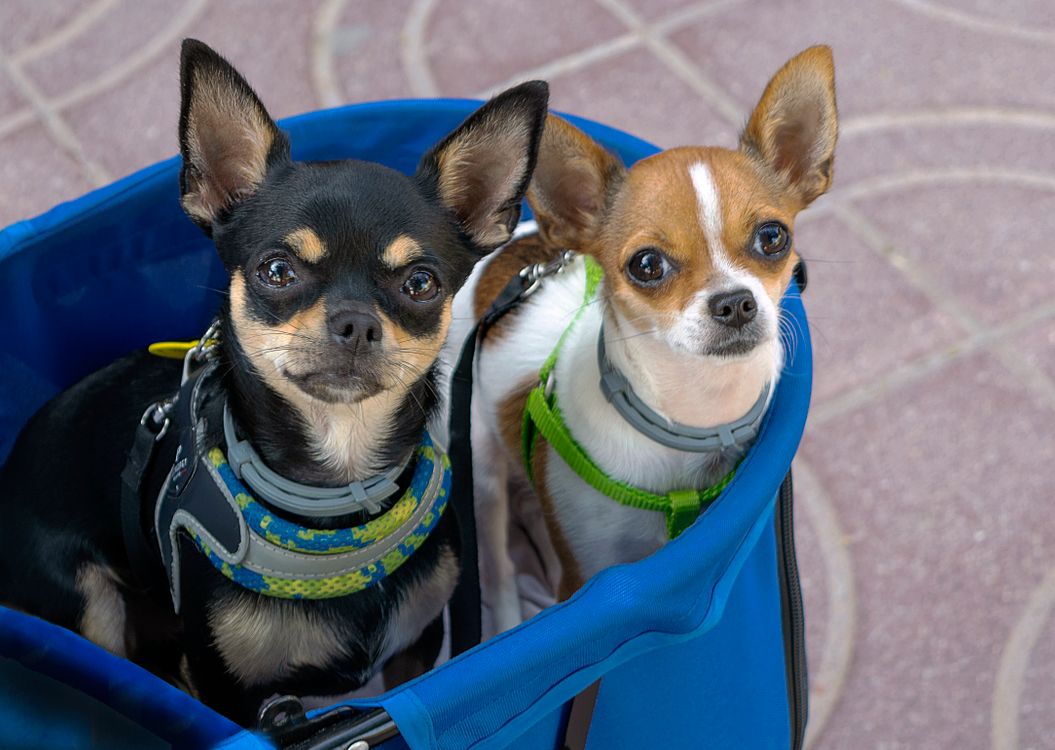
There is a sentence in a new genetics paper that takes a second to process: a Chihuahua carrying DNA segments that came from coyotes.
Researchers used ancestry-mapping software called Gnomix to read whole genome sequences from canids and hundreds of dogs. In one Chihuahua they found genomic segments classified as coyote in origin, evidence that dogs and coyotes in the Americas swapped DNA long before modern breeds took shape. The same analysis looked at a Xoloitzcuintli, the hairless breed also called the Xolo, and found Arctic ancestry in about 4 percent of the genome studied. Ancient Native American dogs share genetic similarities with Arctic breeds, so those segments likely trace to pre-Columbian dogs. The researchers dated the mixing of European and pre-Columbian ancestry in that Xolo to roughly 306 years ago, around 1703.
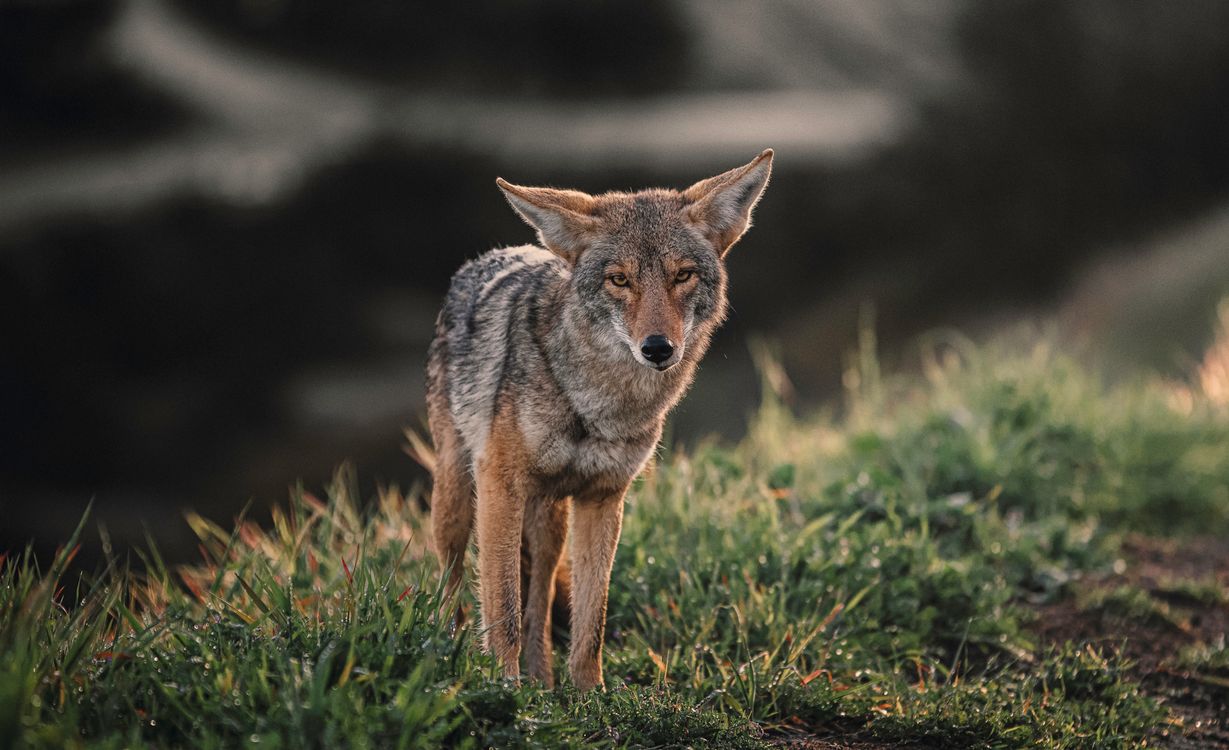
What this means for your dog: almost nothing about daily life, and that is the honest headline. A Chihuahua with ancient coyote segments is not part coyote now. The study does not say when the exchange happened or why, or whether people arranged the crossing or the dogs managed it themselves. The breed’s small size comes from generations of breeding for small stature, and nothing in the genetics explains the oversized personality.
What it does mean is that the little dog under the blanket carries a trail back to dogs that lived alongside Indigenous communities long before European breeds arrived, which is the story of how dogs reached the Americas told in finer detail.
The study is published in Nature Communications, and the writeup that surfaced it is at iHeartDogs.