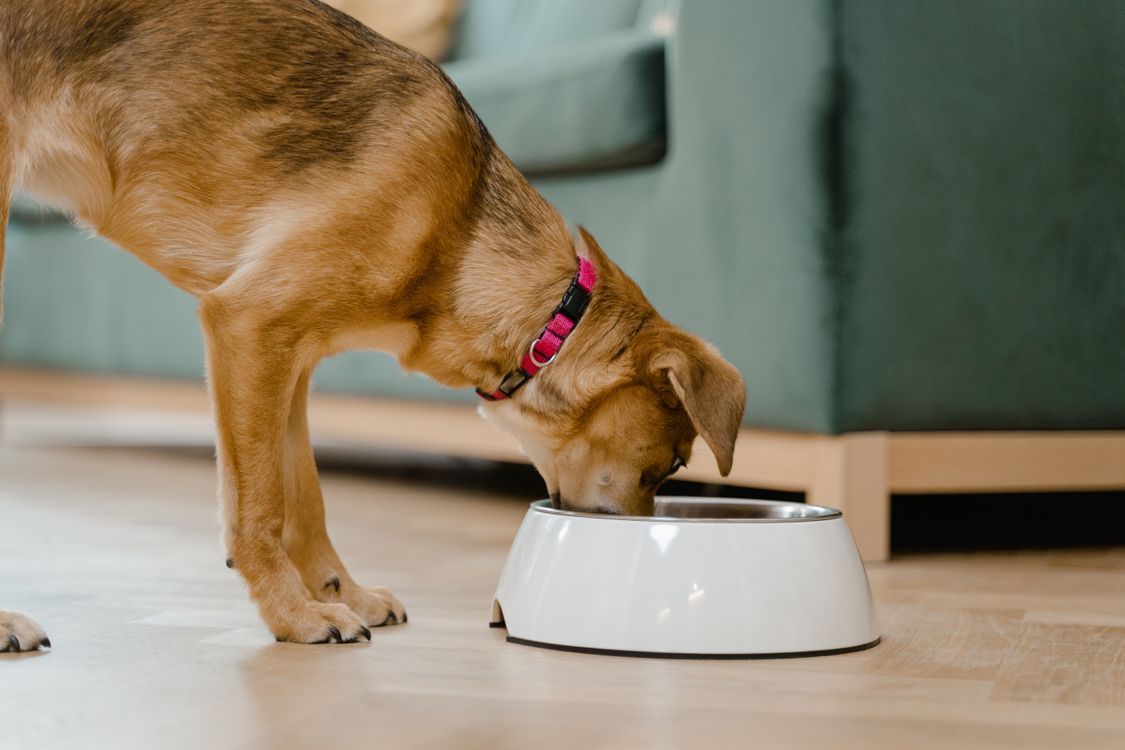
Your dog vacuums up dinner, then stops. One lonely piece of kibble stays behind, meal after meal, and you start to wonder what it knows that you don’t. Usually, nothing.
The honest answer is that there is no single reason. As Dogster explains, one strong candidate is instinct. Wild canines could never count on the next meal, so holding a little back, or burying food for a leaner day, was cheap insurance. Leaving one piece is a faint echo of that habit, even though the next meal is guaranteed.
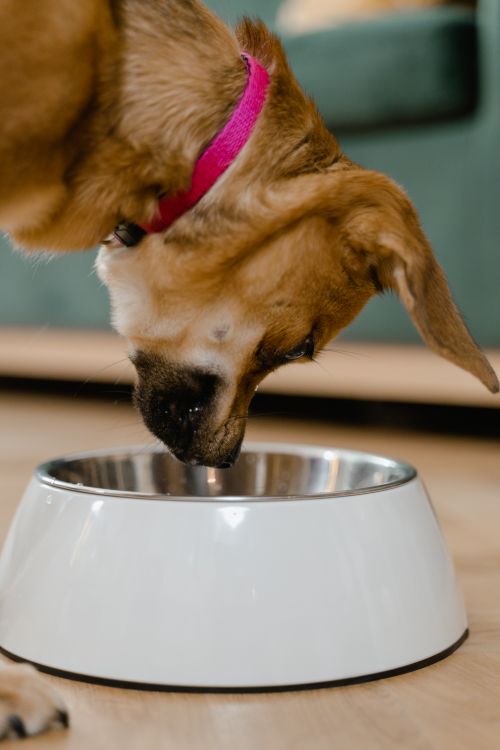
Some dogs may dislike an empty bowl. A full bowl can come to mean food is available, so a single kibble keeps the bowl from ever looking bare. The bowl itself can matter too. Stainless steel reflects a dog’s face back at them, and the last piece happens to cover that spot at the bottom.
Duller explanations count as well. Many dogs can self-regulate and simply stop once they have had enough. The shape of the bowl can also hide the final piece somewhere your dog cannot see it.
What this means for your dog
If your dog is bright, active, and eating well otherwise, one kibble is a quirk, not a symptom. Try a slightly smaller portion at the next meal. If the bowl comes back empty, the old serving size was just too generous, and you can settle the right amount with your vet. Dogs with acid reflux and other stomach trouble can also leave food behind, so watch for more than the single piece.
What matters is a change in pattern. A dog who once cleaned the bowl and now leaves a quarter of it, or who also seems tired or is losing weight, needs a vet visit rather than a smaller scoop.