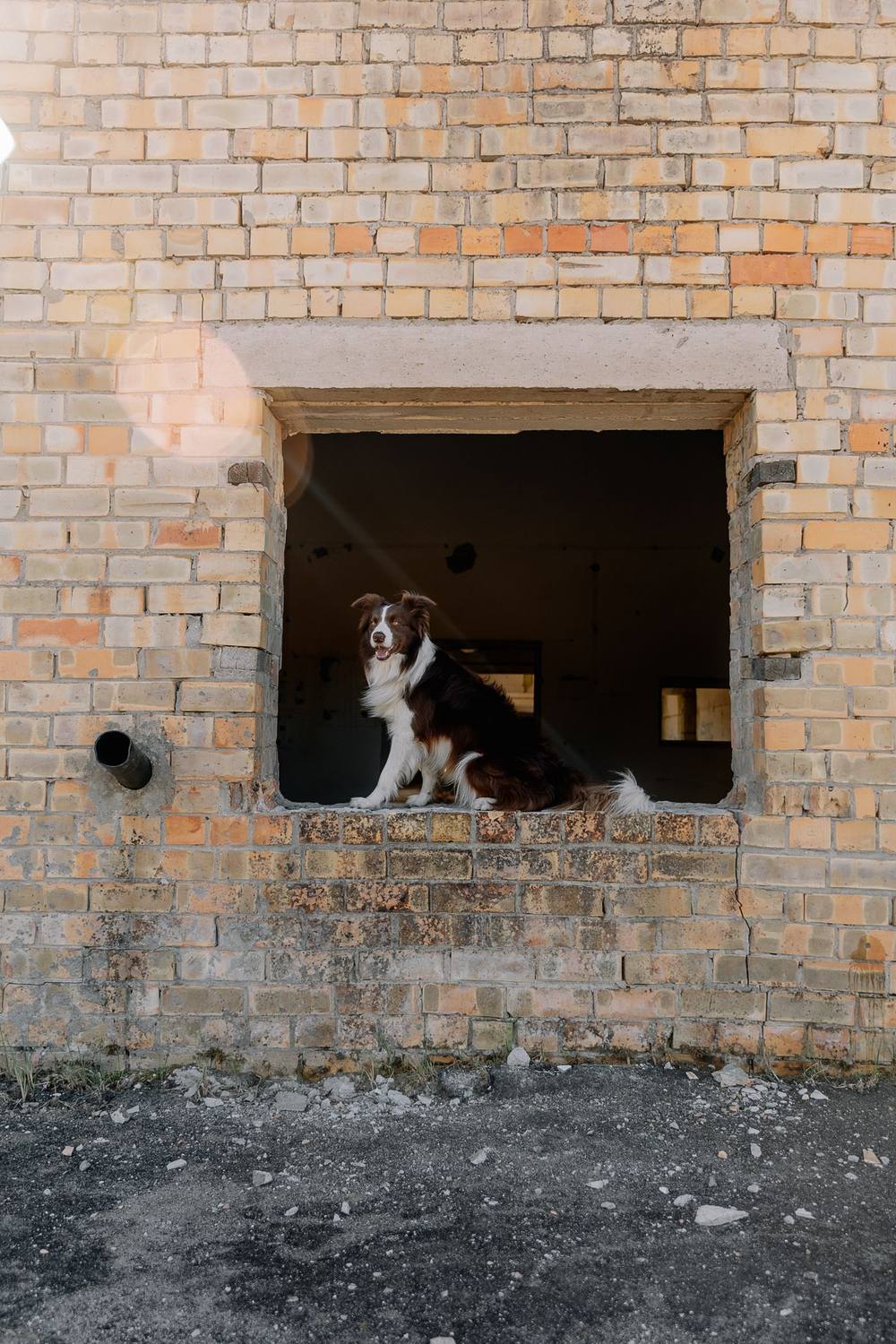
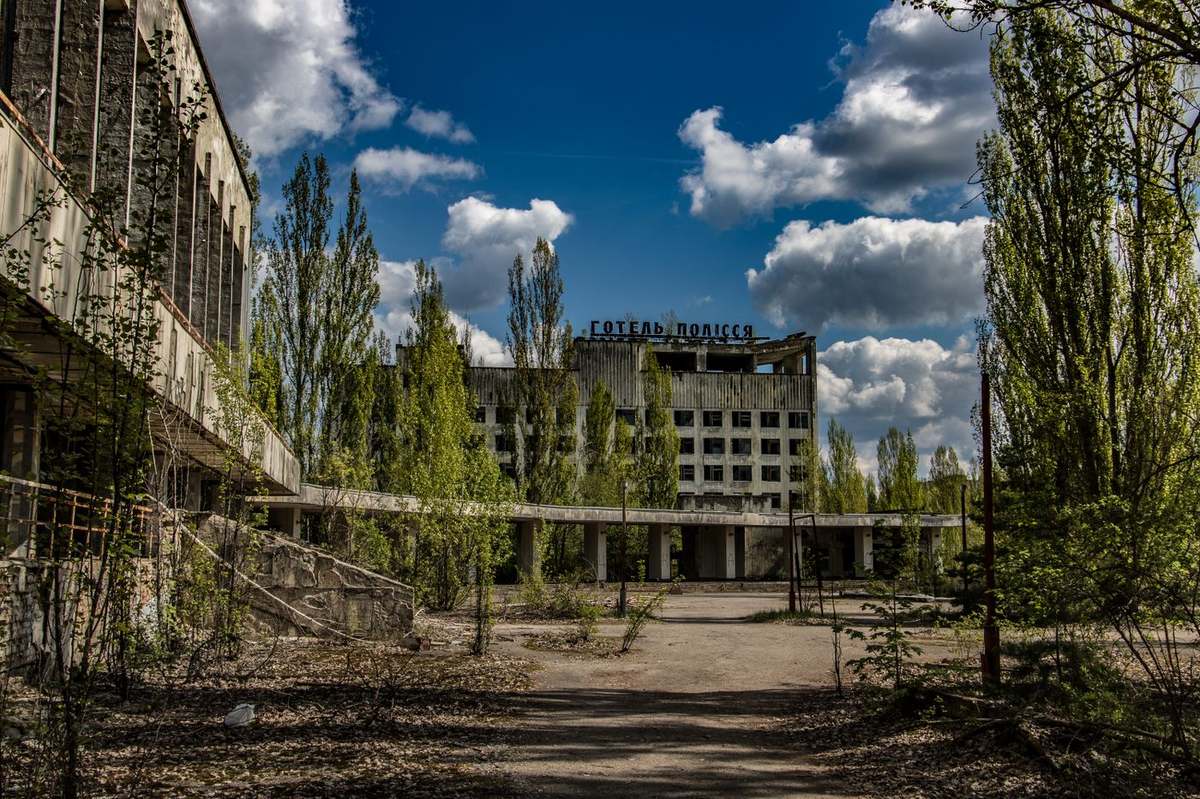
When the reactor at Chornobyl exploded in April 1986, residents of the exclusion zone were evacuated, and many had to leave their pets behind. Enough escaped the purge that followed to breed there ever since, and several hundred live in the zone today, more than 30 generations on.
Researchers led by Megan Dillon at North Carolina State University have sequenced those dogs for years. In 2023 they found that dogs living at the plant were genetically distinct from dogs in Chornobyl City, only 16 kilometres away. A follow-up in 2024 ruled out mutation as the cause, which left two explanations: random drift in a small isolated population, or selection.
The new study, published this week in the journal Genes, analysed whole genomes from 106 dogs, comparing them with free breeding dogs across Eastern Europe and an isolated population in the Galápagos. Drift did not fit. The plant dogs showed signs of directional selection at more than 100 spots in the genome, near genes involved in DNA repair, cell division, cancer and immune response.
That is suggestive, not proof. The team cannot say which pollutant, if any, did the selecting, and Dillon is careful with the word. Her colleague Matthew Breen offers a plainer reading: the dogs that survived may simply have started with genetic variants that made them tougher, and passed those on.
What this means for your dog: this is not evidence that radiation is safe, and there is no test for it at your vet. The useful part is that dogs differ in DNA repair and immune response long before anyone breeds them, which is why two dogs in the same house can handle heat, pollution or infection very differently. The same biology explains why big dogs age faster, and why that shows up in their DNA.