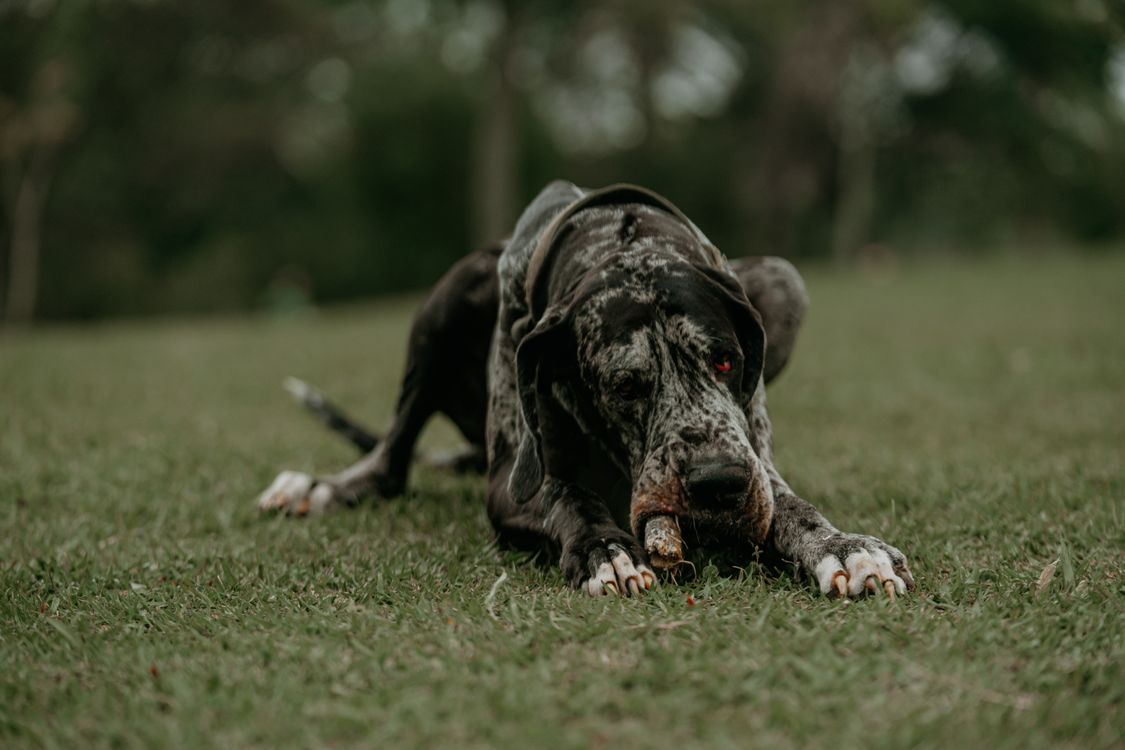
A chihuahua and a Great Dane can share a birthday and still be years apart biologically. A study published in Science this month put numbers on that gap in pet dogs, using blood samples from 894 dogs enrolled in the Dog Aging Project, which follows dogs in ordinary homes across the US.
Researchers at Arizona State University measured methylation, the chemical tags on DNA that help switch genes on and off, and built a clock from the pattern. It guessed a dog’s age to within about a year. At the same age, larger dogs and male dogs carried the profile of an older animal. Big dogs lost those protective tags on transposable elements, stretches of DNA that copy and paste themselves around the genome, about 31 percent faster.

The clock also predicted death. Of the 894 dogs, 121 died within two years of giving a sample. For each year a dog’s molecular age ran ahead of its real age, the risk of dying in that window rose about 15 percent. In people the same measure moves risk by roughly 1.5 to 3 percent.
Whether the jumping genes do the damage is still a guess. The researchers call it a lead, not a finding.
What this means for your dog
This is a pattern across hundreds of dogs, not a forecast for yours. A big dog whose clock runs fast is not doomed. What it does suggest is that large breeds pack more aging into fewer years, which argues for earlier screening, a lean body condition, and noticing small changes at six or seven rather than eight. The clock may also help vets estimate the age of a dog with no known birthday. Research on longevity drugs and early dementia testing heads at the same question from other directions.