Dog warts appear the way mushrooms do after rain: suddenly and without warning. Whole Dog Journal describes them as tiny stalks of cauliflower in pink, white, beige, blue, or black, and they tend to show up on the lips, gums, tongue, and paw pads. Owners usually spot one and immediately wonder how to get it removed.
The short answer is that most dog warts do not need removal at all. In healthy dogs they often resolve on their own as the immune system catches up. They are caused by papillomavirus, which spreads between dogs through contact, and they are most common in puppies with still-developing immunity and in older dogs whose immune systems have slowed down.
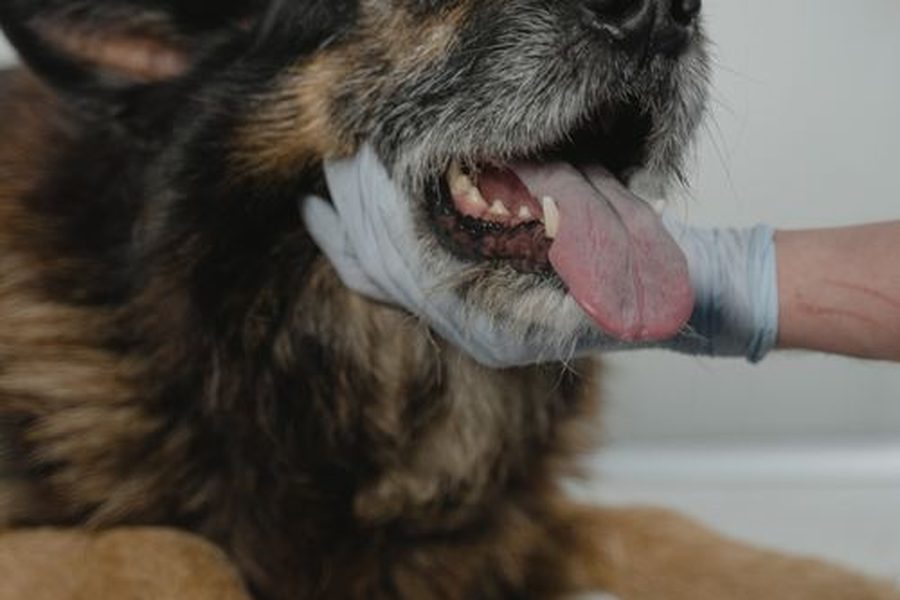
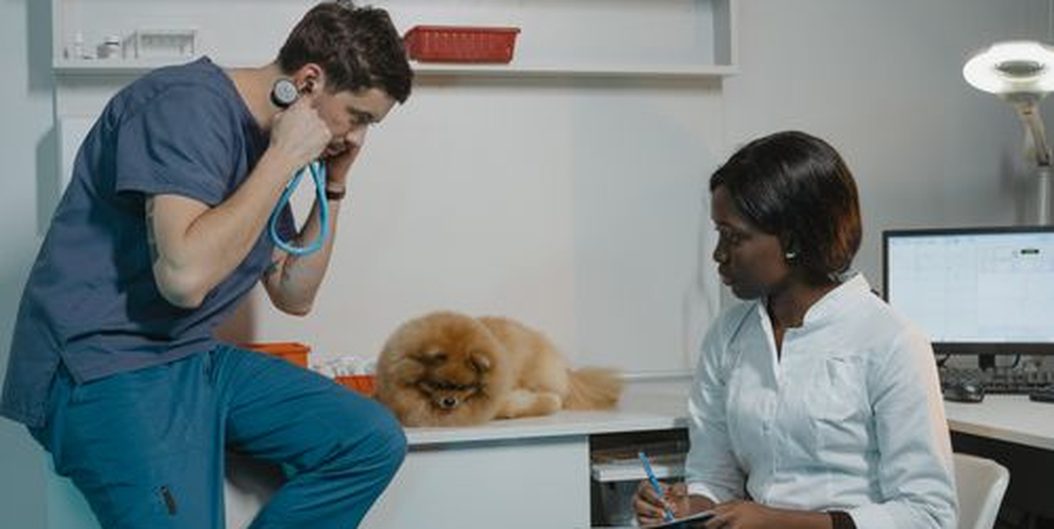
That does not mean every bump is a wart. Have your vet confirm what it is first, because other growths, including some that are more serious, can look similar at a glance.
What this means for your dog
If the wart does not bother your dog, treatment is usually optional, and your vet may simply suggest keeping an eye on it. Removal becomes worth discussing when a wart bleeds, grows quickly, changes appearance, or sits somewhere it interferes with eating or walking. If removal is warranted, vets have several methods available, and trying to cut or burn a wart off at home just invites infection.
Dog warts are also not contagious to people or to cats, so there is no need to quarantine your pup from the family. The main job for owners is watching, and letting the vet be the one to decide whether that cauliflower stalk needs to go.