
You know the moment. Your dog is asleep on the couch, a pan clatters in the kitchen, and he’s up and trembling before you can say a word. Or you reach down to wake him and get a snap you’ve never seen from him. That jumpy reaction has a name: the startle response. It’s a reflex, not a mood, and understanding it changes how your dog experiences your home.
What the startle response actually is
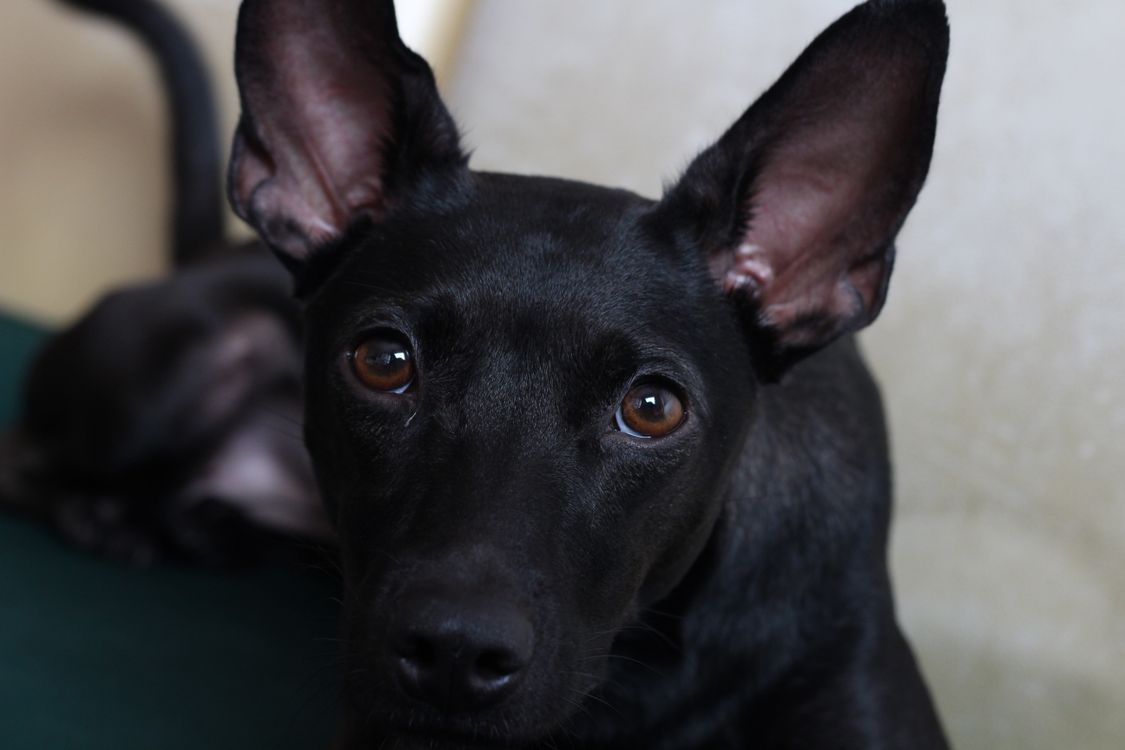
A sudden sound or touch catches a dog off guard and his muscles tighten automatically. This is the acoustic startle response, a reflex that primes the body for fight or flight. It happens in a fraction of a second, before the brain has time to weigh anything. Your dog isn’t choosing to react. His body does it for him.
Trainer Eileen Anderson digs into this in her article on startling and pain, and she raises a point most owners never hear: the response itself can hurt. If a dog is already sore from arthritis or an old injury, that sudden full-body clench can flare the pain. Her own dog, Lewis, startles easily from noises and shows signs of discomfort, which is what got her thinking about the connection.
Why one startle can stick around
Here’s the part that surprises people. A single strong startle can teach a dog to fear the thing that startled him. Lewis reacted hard to a soft clink from a box of garden spikes on the coffee table. From then on he was wary of cardboard boxes, any size, in any room. That’s fear generalization: the fear spread from one specific noise to a whole category of objects that reminded him of it.
It took Lewis months to come back from that one moment. The fear faded gradually, helped along by better health and a little daily support. The lesson for owners is plain. One scary instant can leave a mark that lasts far longer than the instant itself.
How to wake and approach your dog safely
The good news is that most startling is preventable with a few small habits.
- Say your sleeping dog’s name first. Wait for his eyes to open or his ears to move before you touch him.
- Approach from where he can see you. Dogs woken or touched from behind get no warning at all.
- Give a heads-up before you handle him. A calm “hey” before you pick him up or brush him tells him you’re there.
- Announce yourself before you enter a room where he’s resting. Footsteps and a quiet call beat a sudden appearance.
The same logic covers household noise. Before you clang a pot, drop a bin, or slide something heavy, give a one-second warning. It feels silly until you see how much calmer a dog is when he knows what’s coming.
What this means for your dog
Startle-prone dogs carry more stress than they need to. Every surprise costs them recovery time, and repeated scares can build into a generally anxious dog. You can’t control every noise in the neighborhood. You control most of the noise in your home.
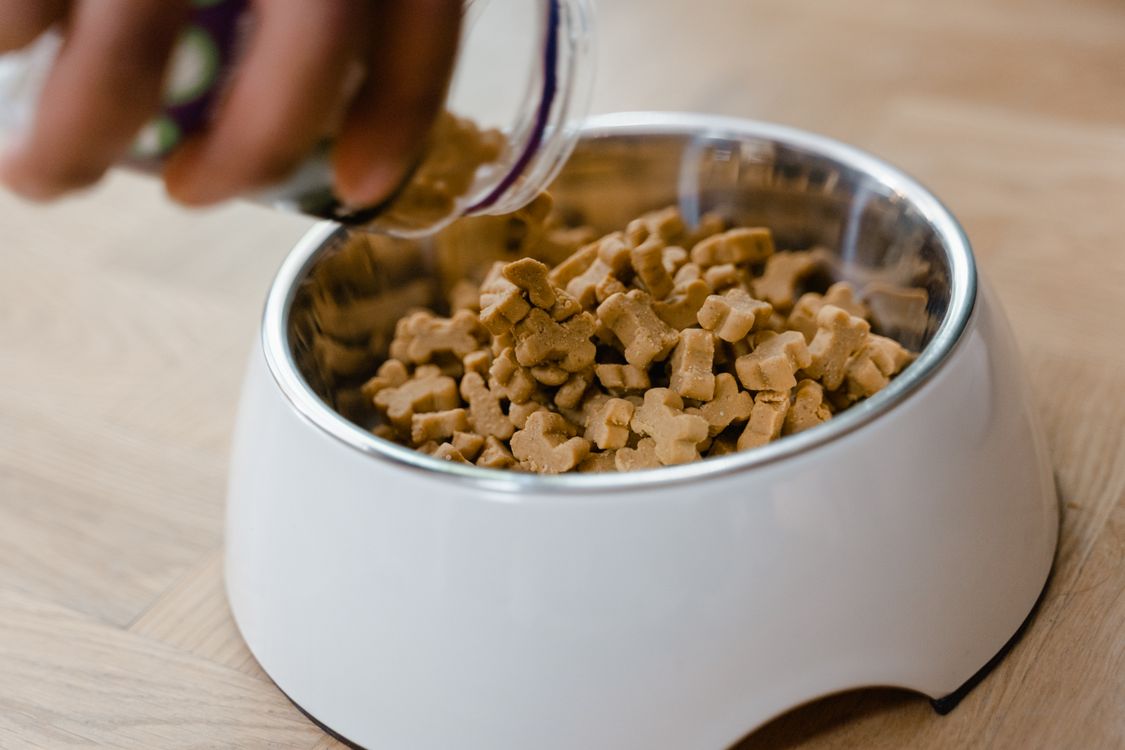
When a surprise does happen, don’t punish it and don’t force him to sit through the scary sound until he “gets used to it.” Both approaches make the fear worse. Instead, toss a few treats his way without making a fuss. This is counterconditioning, and it slowly teaches the brain that scary sounds predict good things. It’s the same low-key technique Eileen used when Lewis was afraid of boxes.
If your dog startles easily, start by learning to read his body language so you can spot tension before it becomes a reaction. Rest matters too. A tired dog startles more easily, so check the signs your dog is overtired if he seems wired instead of settled.
Get professional help if your dog reacts to ordinary sounds with panic, trembling, or growling that lasts more than a few seconds, or if a startle ever leads to a bite. Startling that turns into aggression is a safety issue, and it isn’t something to fix with exposure or punishment. A force-free trainer or your vet can build a plan that changes how your dog feels about surprise, not just how he behaves.
Warn before you touch, soften the loud moments, and give your dog space to recover at his own pace. That’s most of the work, and your dog does the rest.