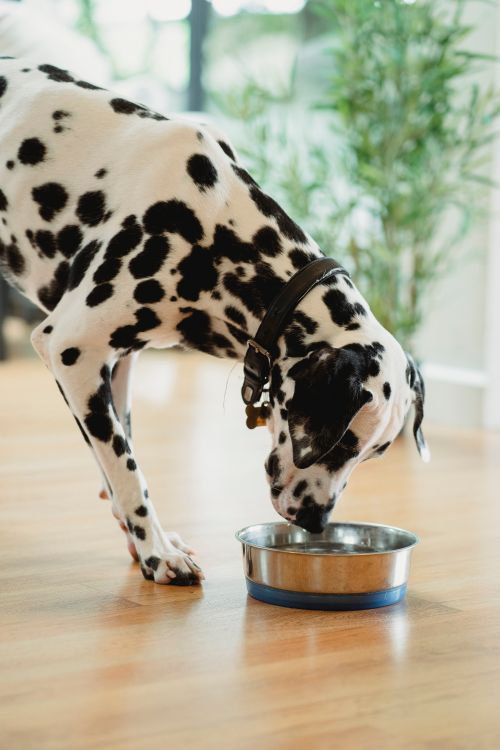
Here is a number from a 2022 survey of 417 U.S. dog owners, reported by SheKnows: about 12 percent wash their dog’s bowl every day. Eighteen percent wash it every three months or less, or never at all.
If you are in the second group, you are in wide company. Pet bowls ranked fourth germiest in a 2011 National Science Foundation swab study of 30 household items, behind kitchen sponges, kitchen sinks and toothbrush holders. Dog saliva moves mouth bacteria into leftover kibble and standing water, and a warm bowl left out is a comfortable place for them to multiply.
What this means for your dog
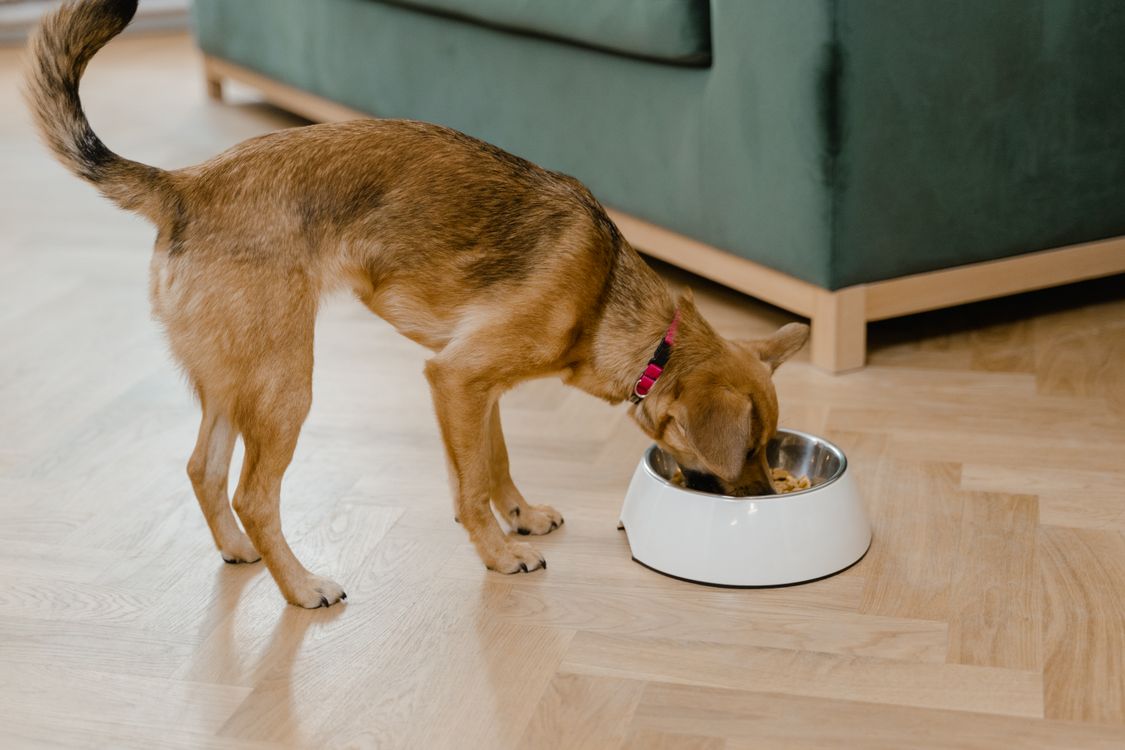
Wash the food bowl after every meal with hot water and a squirt of mild dish soap. Wash the water bowl at least every day or two. That is FDA guidance, and it gets easier if you keep two sets of bowls so one can be in the dishwasher while the other is in use.
Once a week, soak the bowls for ten minutes in a gallon of water with half a teaspoon of bleach, then rinse thoroughly and let them dry. The weekly soak is for the biofilm that daily washing leaves behind. Rinse longer than feels necessary, since soap and bleach residue can upset stomachs.
Two caveats. If you feed raw, wash after every single meal without exception. And this is not only about the dog: unwashed bowls can carry E. coli and Salmonella, and you are the one getting the kisses. Mouth bacteria are also why most dogs have dental disease by age three.