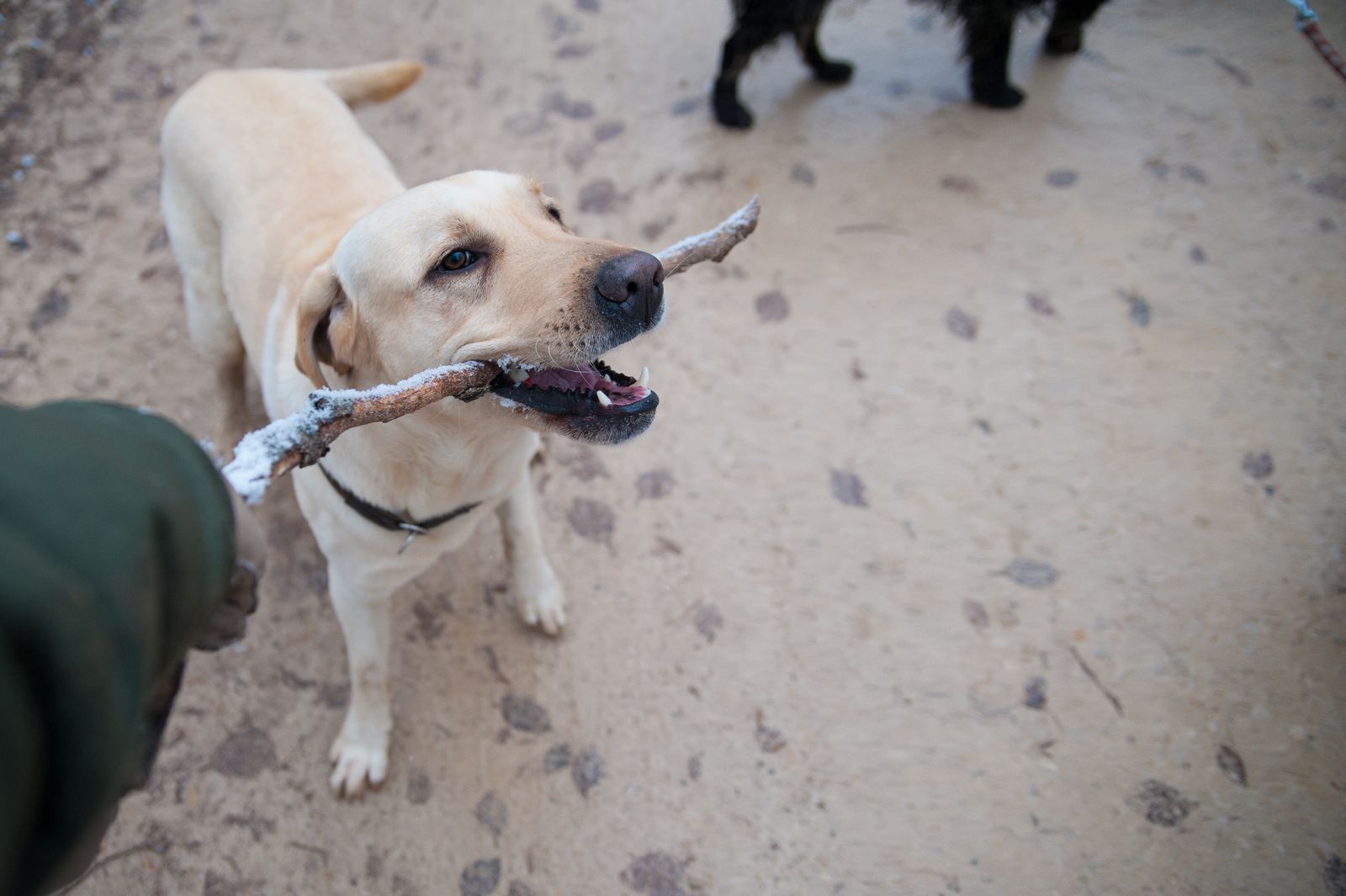
Your Labrador is fine. She finished breakfast, dragged you around the block, and fell asleep with her chin on your shoe. The blood work from last month’s checkup came back normal too. That combination, a happy dog and clean lab results, is exactly why copper liver disease slips past so many owners, and why a team at UC Davis is trying to build a test that catches it years earlier.
What copper does inside a dog’s liver
Copper is not a contaminant dogs need to avoid. Their bodies use small amounts of it, and the liver stores and clears the rest. Trouble starts when a liver holds on to more copper than it can clear. The metal collects inside liver cells, inflames them, and eventually destroys them.
Early on, you would not notice anything. As the damage adds up, an owner might see a dog who is a little quieter than usual, who leaves food in the bowl, or who vomits once in a while for no obvious reason. Yellow tinge in the gums shows up late, and by then the liver has taken serious damage.
Copper-associated hepatopathy is one of the most common liver diseases in dogs, and Labrador retrievers are among the breeds at higher risk, according to the AKC Canine Health Foundation. Diet and genetics both appear to play a part.
What the UC Davis study is looking for
A new study at the University of California, Davis, Weill School of Veterinary Medicine is digging into why Labrador retrievers develop the disease and whether a blood sample can flag it before the liver is wrecked. The work is funded by a $233,211 grant from the AKC Canine Health Foundation and runs from October 2025 through September 2028. Tarini Ullal, DVM, MS, DACVIM, leads the work.
“This issue is highly prevalent and incredibly insidious,” she said in the UC Davis announcement. “A pet’s liver values might be completely normal and they can feel perfectly well right up until the end stage of the disease, when it is simply too late.”
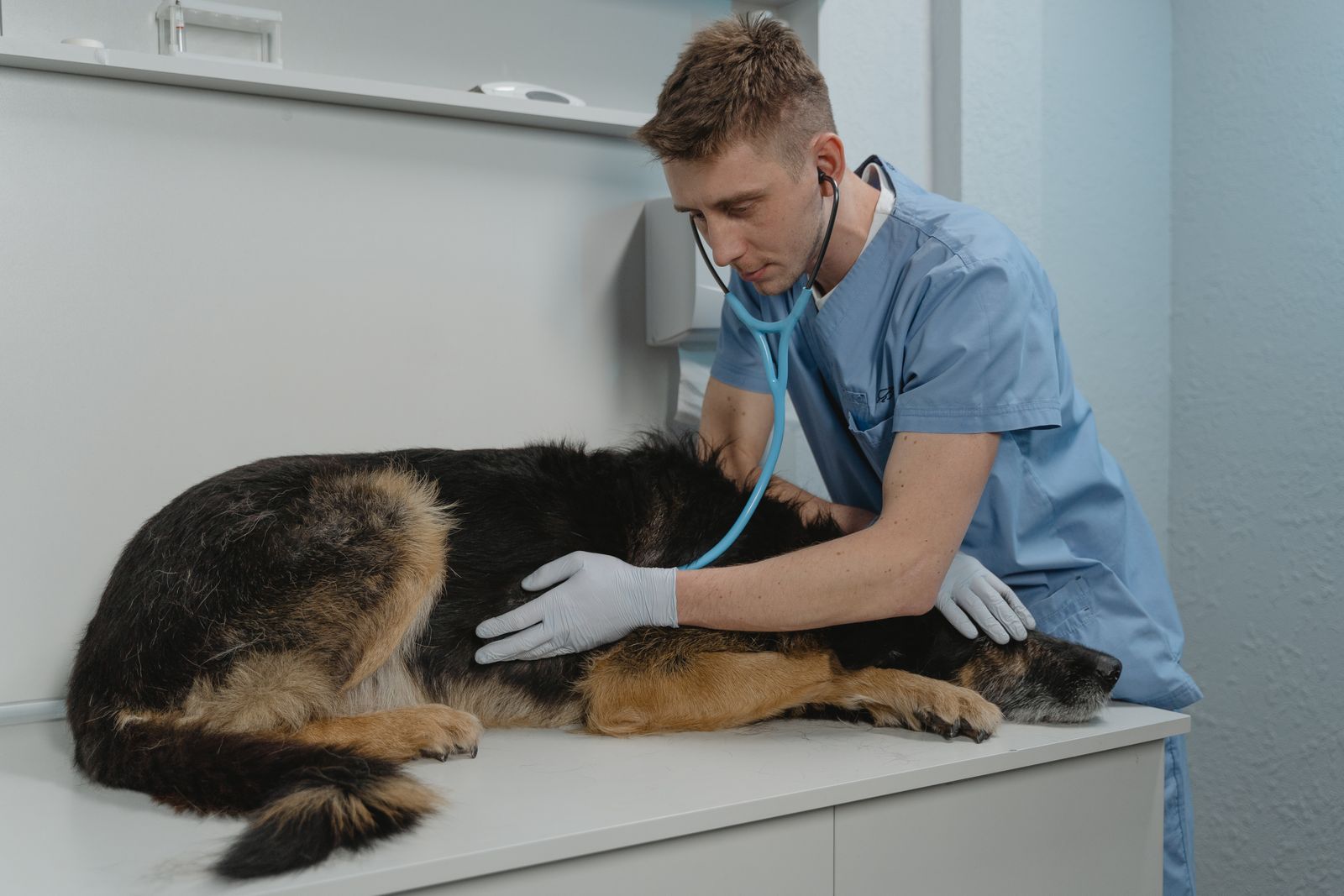
The study compares three groups of Labradors: dogs diagnosed with copper-associated hepatopathy, dogs with immune-mediated chronic hepatitis (a separate liver disease that can look similar from the outside), and healthy dogs used as controls. Researchers collect blood and liver samples from all three groups and compare the results. The aim is a test that tells a veterinarian which disease a dog has, and whether copper is piling up, without cutting into the liver first.
One case already makes the point. A young Labrador named Ellie was enrolled in a trial as a presumed healthy control, and testing found excess copper in her liver even though her standard liver values were normal. “The bonus was we unexpectedly found she had a copper disease that we can now treat to keep her healthy and give her a very long life,” her owner said.
Why the diagnosis so often arrives late
A routine blood panel measures liver enzymes such as ALT and ALP. Those numbers can sit in the normal range while copper quietly damages tissue, so a clean panel is not a green light. Other quiet problems work the same way, including high blood pressure in dogs, which often announces itself only after it has done damage elsewhere.
Confirming copper disease usually means a liver biopsy, followed by testing the tissue itself for copper content. That means anesthesia, a recovery day, and a bill that can run into the hundreds of dollars. The UC Davis team is collecting those samples now so that fewer dogs eventually need them.

What this means for your dog
Be realistic about the timeline. There is no copper blood test your vet can order today. The study runs through September 2028, and any promising marker still has to be validated in many more dogs before it reaches a clinic. What you can do now is put the disease on the radar at your dog’s next exam.
Ask whether the liver values on the last blood panel have moved over the years. One ALT number inside the normal range tells you less than a trend that has been creeping upward. It is also worth asking whether your dog’s breed is on the higher-risk list. If your dog vomits repeatedly or goes off food for more than a day, medication for nausea can settle the stomach, but it does not answer why the stomach is upset in the first place.
Do not reach for supplements or copper-binding drugs on your own. Copper restriction is a veterinary decision, and so is any medication that helps a dog excrete the mineral. Dogs diagnosed with the disease are usually managed for life with a copper-controlled diet, medication, and periodic monitoring.
If you own a Labrador and want to take part in the research, the UC Davis Veterinary Center for Clinical Trials is enrolling dogs with copper-associated hepatopathy, dogs with immune-mediated chronic hepatitis, and healthy controls. The cost of the liver biopsy is covered for enrolled dogs. Owners and referring veterinarians can call 530-754-1954, or read more on the foundation’s study page. For the basics on keeping a dog healthy between visits, start with our Dog Health 101 hub.
None of this replaces a conversation with your veterinarian. Vomiting, weight loss, and lethargy have many possible causes, and copper disease is only one of them.