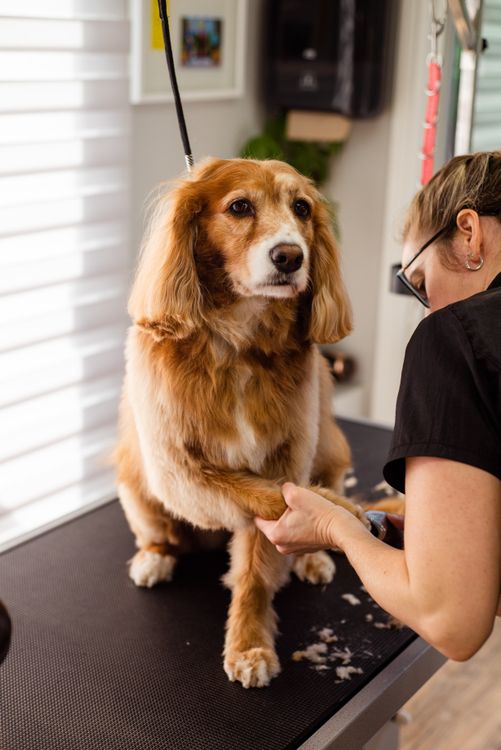
Most dogs learn to endure nail trims, ear cleaning, and vet exams. Cooperative care asks for something a little better: teaching the dog to take part, and to signal when he needs a break. Whole Dog Journal published a fresh look at the approach on September 18, written by certified dog behavior consultant Debby McMullen.
The idea is simple. Before you trim a nail or check an ear, you teach your dog a position he can hold comfortably and a way to say yes or no. A chin rest on your open palm works well, and so does a hand target or a paw on a scratchboard. Pair every step with food. If he lifts his head off your hand or takes the foot off the board, that is a no, and the response is to stop, wait, and come back to it later instead of holding him still.
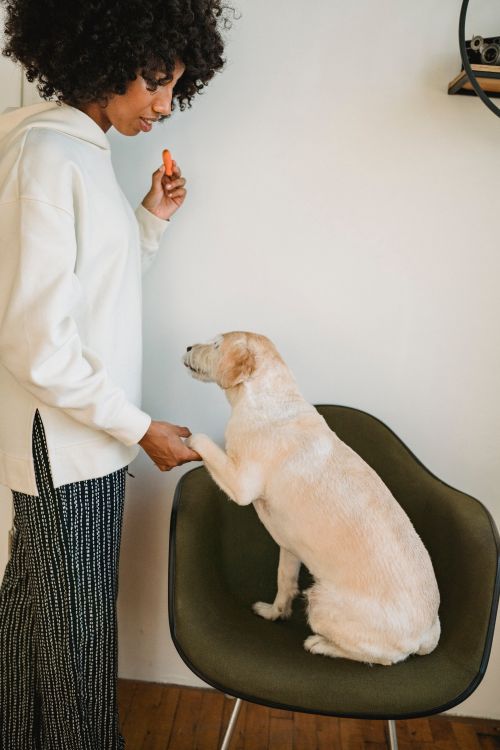
What this means for your dog
Force gets a job done once and makes the next attempt harder. Cooperative care trades a few slow sessions for a dog who walks into the clinic without bracing, and groomers and vet techs notice the difference right away. A dog who can say stop is also far less likely to escalate to growling or snapping.
Start small at home. Touch a paw, feed a treat, release. Add a second of handling, then two. Keep sessions under two minutes and finish while your dog still wants more. The same mindset shows up in teaching a better behavior instead of punishing a bad one, and it helps with chewing that has become a habit.
McMullen’s article is at Whole Dog Journal.