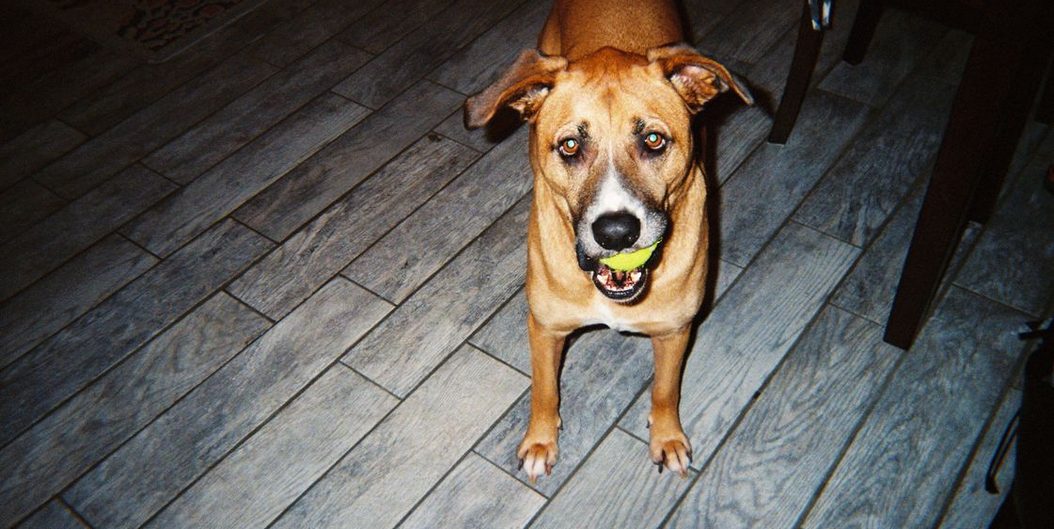
A dog that snaps at any dog who comes near his tennis ball is not being dominant or mean. He is guarding a prized toy. That is the diagnosis veterinarian Dr. Paola Cuevas gave a reader whose 2-year-old cattle dog mix, Levi, lunges at any dog that tries to grab the ball he has chosen, in Dogster’s Ask Dr. Paola column.
The ball is the most valuable object in the park, and Levi has learned that lunging makes the other dog back off. Guarding works, so every showdown strengthens the habit. His cattle dog heritage may add drive to control resources, but the pattern is learned, so it can be unlearned.
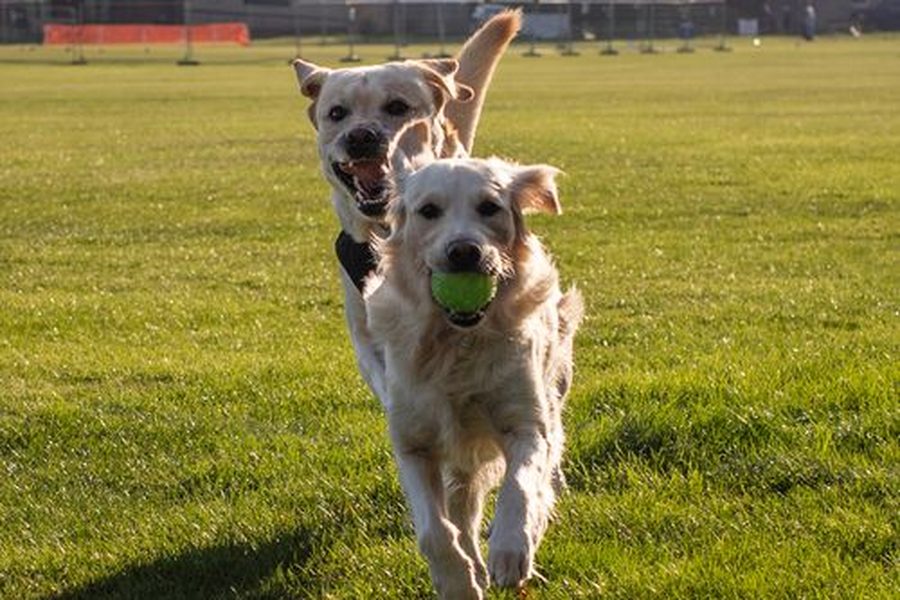
Start by stopping practice. Skip dog parks where loose tennis balls are everywhere, and play ball only where no other dog can crowd him. Never grab the ball away or scold him for guarding; confrontation raises arousal and makes guarding worse.
What this means for your dog
At home, teach a trade instead. Start with a toy he barely cares about, say “drop,” and pay with a great treat the instant he lets go. Work up to more valuable toys slowly, staying below the point where he tenses. The goal is not sharing with strange dogs; it is teaching him that letting go pays better than holding on.
It fits what we tell owners about parallel walks beating face-offs when dogs meet, and about reading the play bows dogs use to ask politely before a chase. Rough play with a housemate is fine, but keep high-arousal games away from valued toys.
If your dog has injured another dog, it is escalating, or you cannot prevent encounters, a veterinary behaviorist or trainer is worth the call. Resource guarding is common and responds well to patient, reward-based work.