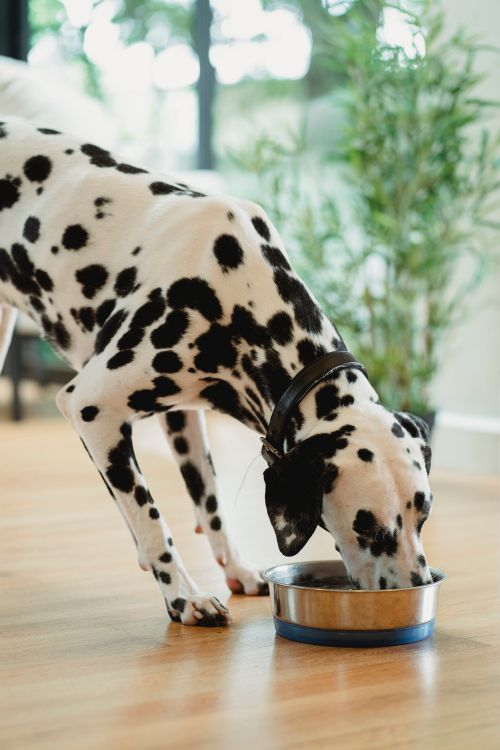
Chronic enteropathy is the vet’s term for a gut that keeps misbehaving. Loose stool, vomiting, weight that drifts, and no clear cause on the usual tests. A new study from a veterinary hospital in Barcelona suggests that for a good share of dogs, the fix starts in the bowl.
Researchers fed 31 dogs with chronic enteropathy one commercial low-fat, hydrolyzed salmon diet for three months, with no other food. After a month, 20 (64.5%) had complete resolution of signs and 3 more (9.7%) improved, so 74.2% responded. At three months, 94.4% of responders were still in remission, and 75% of the dogs ate it readily.
The limits matter. Thirty-one dogs, one hospital, no control group, and a prescription diet with hydrolyzed protein and about 2 grams of fat per 100 kilocalories. The authors call for randomized trials and published the work in the Journal of Veterinary Internal Medicine.
What this means for your dog
A diet trial is a real diagnostic step, and it only works when strict. One food, no treats, no scraps, no chews carrying other proteins, for the whole period your vet sets. Log stool quality and appetite so the result is measurable.
A hydrolyzed prescription diet is also not the same as poaching salmon at home. A home diet can be unbalanced, and it can contain the same proteins that were already causing trouble.
Food is not the only lever. A canine IBD drug recently cleared its first placebo-controlled trial, and severe cases may need that kind of help. If your dog has bloody diarrhea, repeated vomiting, or steady weight loss, that is a vet visit, not a food experiment. The study is open access to bring to your appointment.