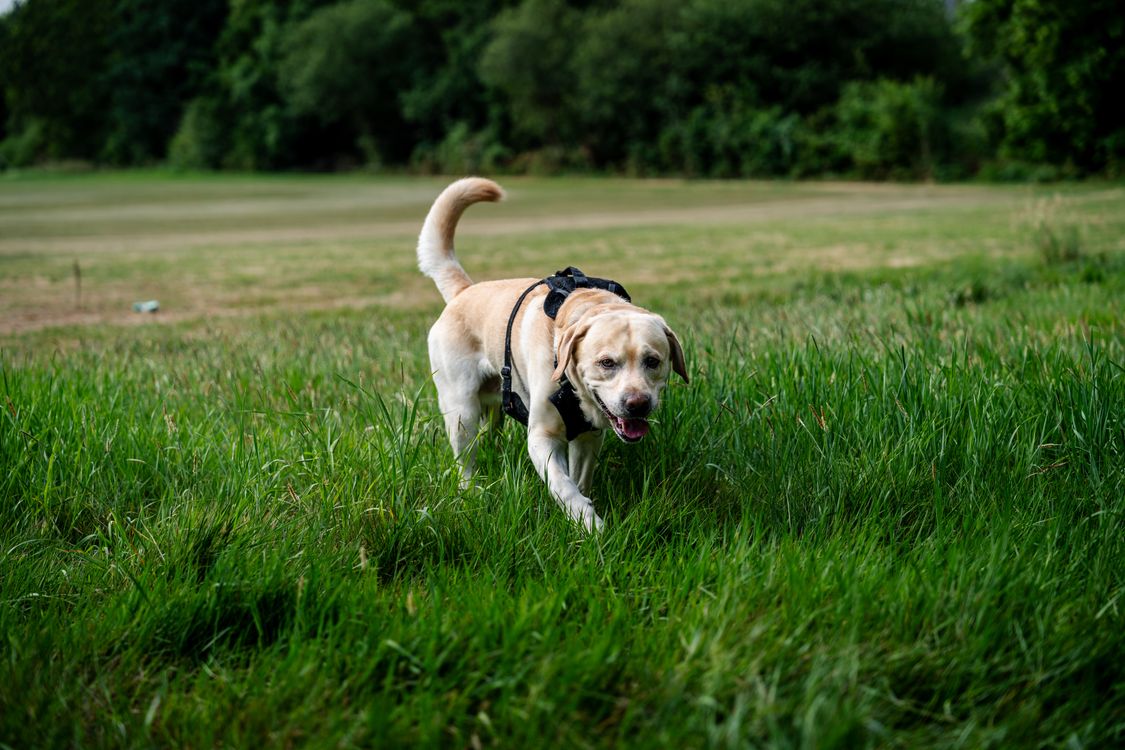
Eddie does not know he won anything. He is a 3-year-old, 70-pound Labrador from Miami, and on Wednesday his name was announced as America’s Hero Dog for 2026.
The 16th American Humane Hero Dog Awards picked him from five finalists, one per category: law enforcement and first responders, service and guide dogs, therapy dogs, military dogs, and emerging heroes and shelter dogs. Nomination opened in June with 25 dogs, then five.
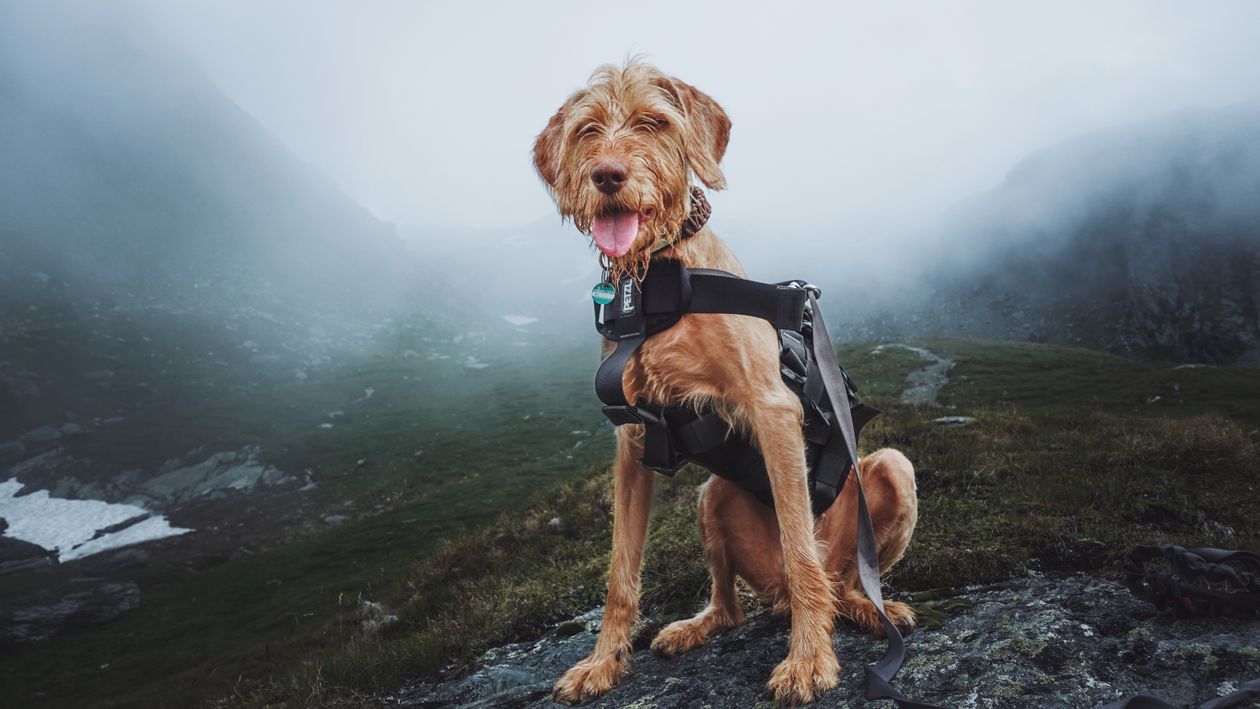
Eddie is a guide dog, and the first one his handler has ever had. Luis Rodriguez was diagnosed at age 8 with retinitis pigmentosa, a group of inherited eye conditions that slowly break down the light-sensitive cells in the retina. His vision has declined over the past five years and he is now legally blind. He co-owns a family insurance agency and lives with his wife and two daughters.
In 18 months together, Eddie has done the ordinary work that changes a life: stairs, curbs, crowded sidewalks, the route to the office. The society also credits him with something harder to measure, giving an introverted handler the confidence to talk about blindness with strangers.
What this means for your dog: probably nothing, and that is the point. Most dogs honored in these awards were not bred for fame. They were trained, trusted and given a job. If you have wondered whether your dog could do more than hold down the couch, the answer usually starts with a trainer and a handful of behaviors practiced until they are boring.
The bond shows up in harder places too. Judah took two bullets for his owner and came home needing surgery. Retirement is its own problem as well: South Korea is building a home for retired service dogs, because a working dog’s last chapter needs planning as much as its first.