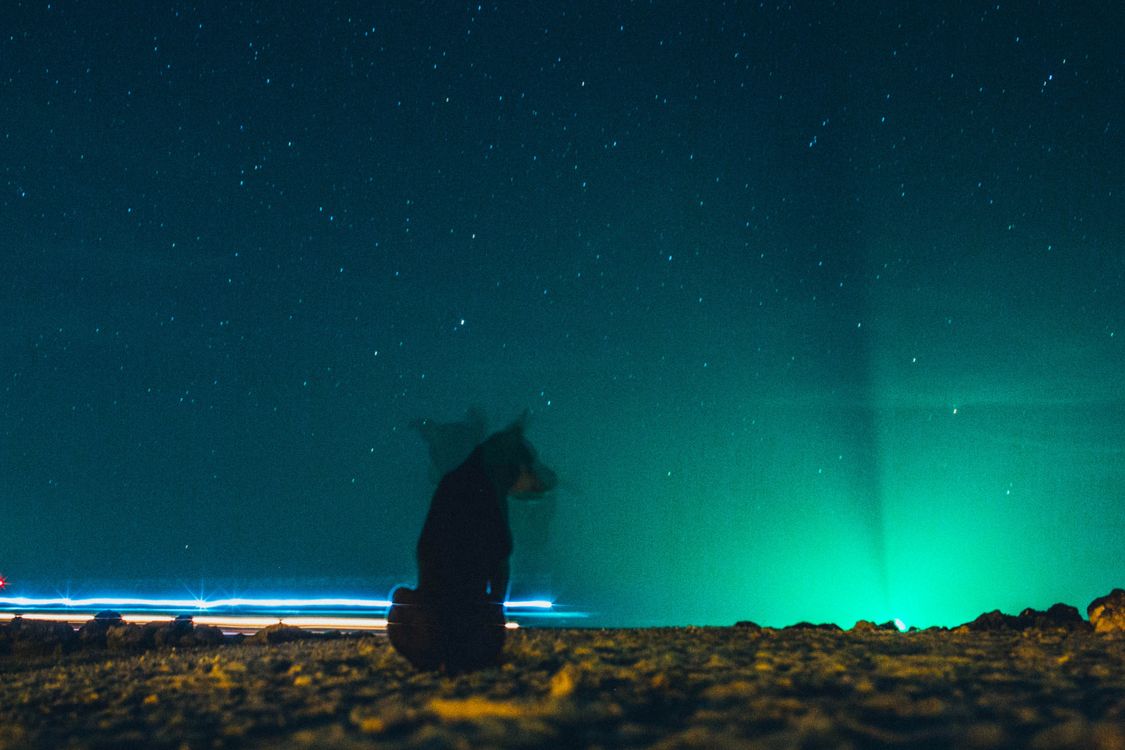
Sixty-nine years ago today, a small brown dog left the ground at Baikonur and never came back down. Laika, picked up off the streets of Moscow, became the first living creature to orbit Earth on 3 November 1957, aboard Sputnik 2.
The BBC marked the anniversary with Viktor Yazdovsky, who was nine when he played with her before the launch. His father Vladimir ran the medical side of the Soviet space programme. “Everyone treated her as a hero,” he said.
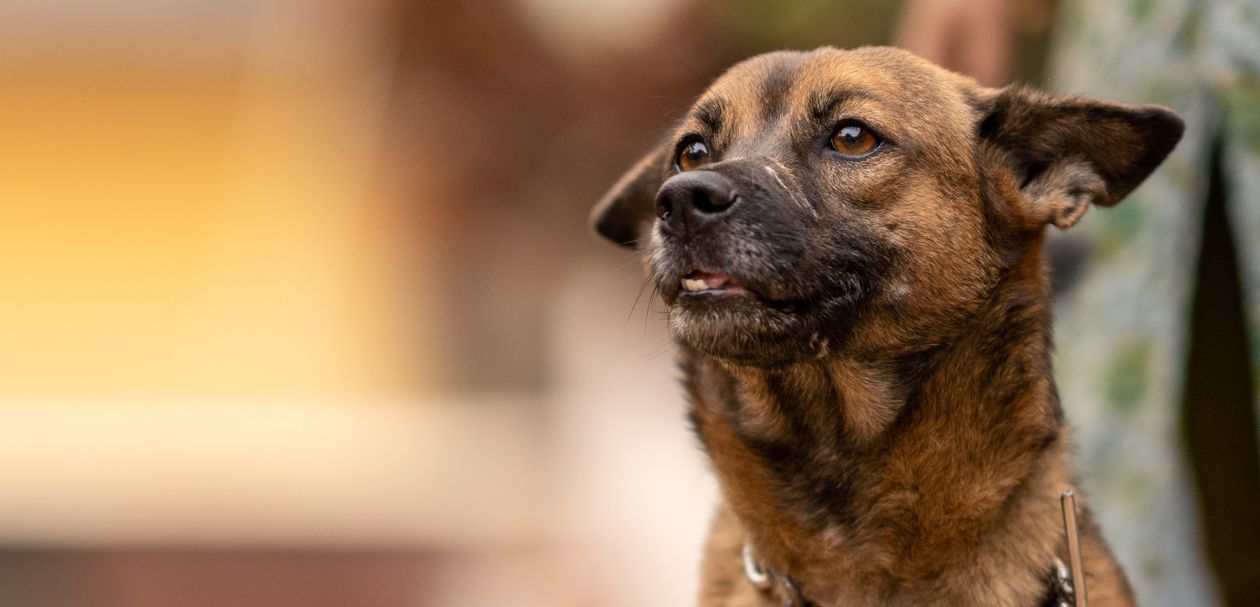
She was a mongrel, and that was the point. Scientists went looking for strays rather than pedigrees. Street dogs had stamina and did not ask for much. They chose females, and dogs small enough to fit the capsule at six or seven kilos. She became Laika, Russian for barker, after she barked over the radio.
The timetable was brutal. Engineers had weeks to bolt a pressurised compartment onto Sputnik 2, and the insulation was never properly worked out. In 2002 the Russians admitted the climate control had failed and she died of overheating five to seven hours in.
Most dogs in that programme came home. Belka and Strelka made 17 orbits in August 1960 and landed the next day. The outrage over Laika is part of why. Animal welfare groups picketed the Soviet embassy, dog owners marched outside the UN, and the ASPCA protested through the State Department.
Dogs have worked alongside people since the Bronze Age, and one left paw prints in a brick 4,000 years ago.
There is no care tip in this one, but there is something about where good dogs come from. Laika was chosen for the qualities that keep a street dog alive, and that same hard life is why the mutt at your shelter is worth a second look.