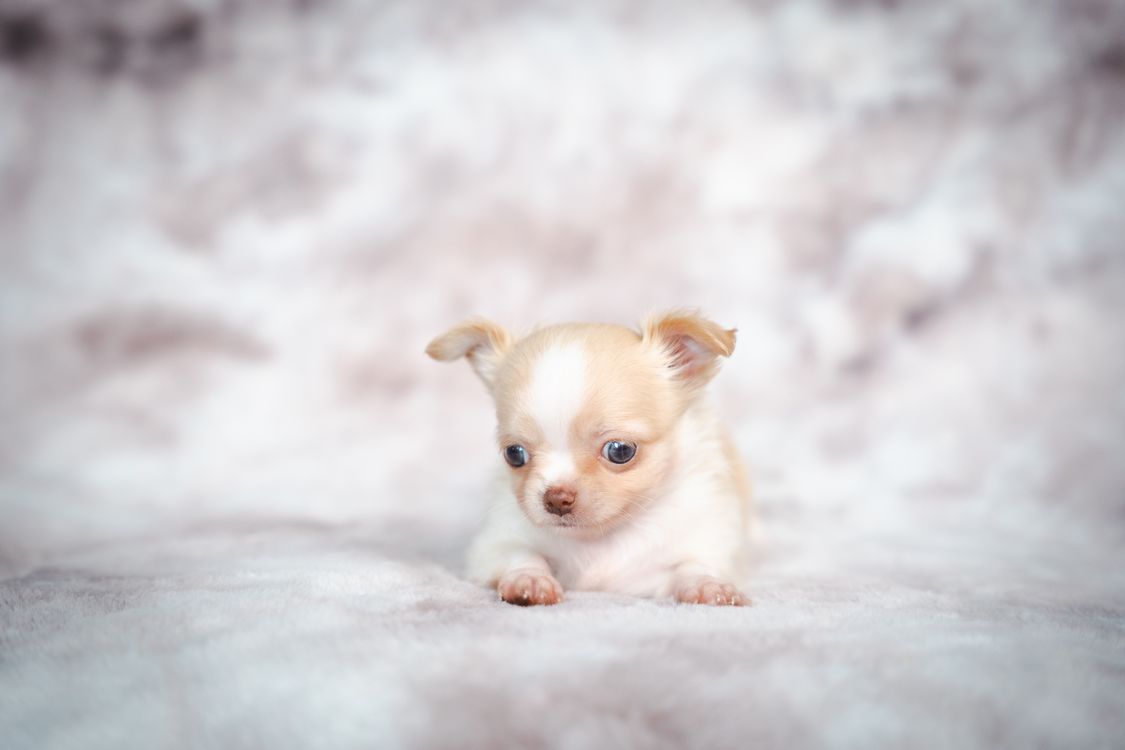
You can stop blaming the years. A Chihuahua’s domed head is there on day one.
Researchers at the University of Helsinki scanned the skulls of 50 newborn puppies that died around birth, 24 Chihuahuas and 26 puppies from breeds with normal muzzles. Nineteen Chihuahuas could be scored, and every one had an open fontanelle, the soft spot where skull plates have not fused, against 6 of 21 in the other group. Their heads were shorter, taller and wider for their length, with an average cranial index of 86.6 next to 75.6.
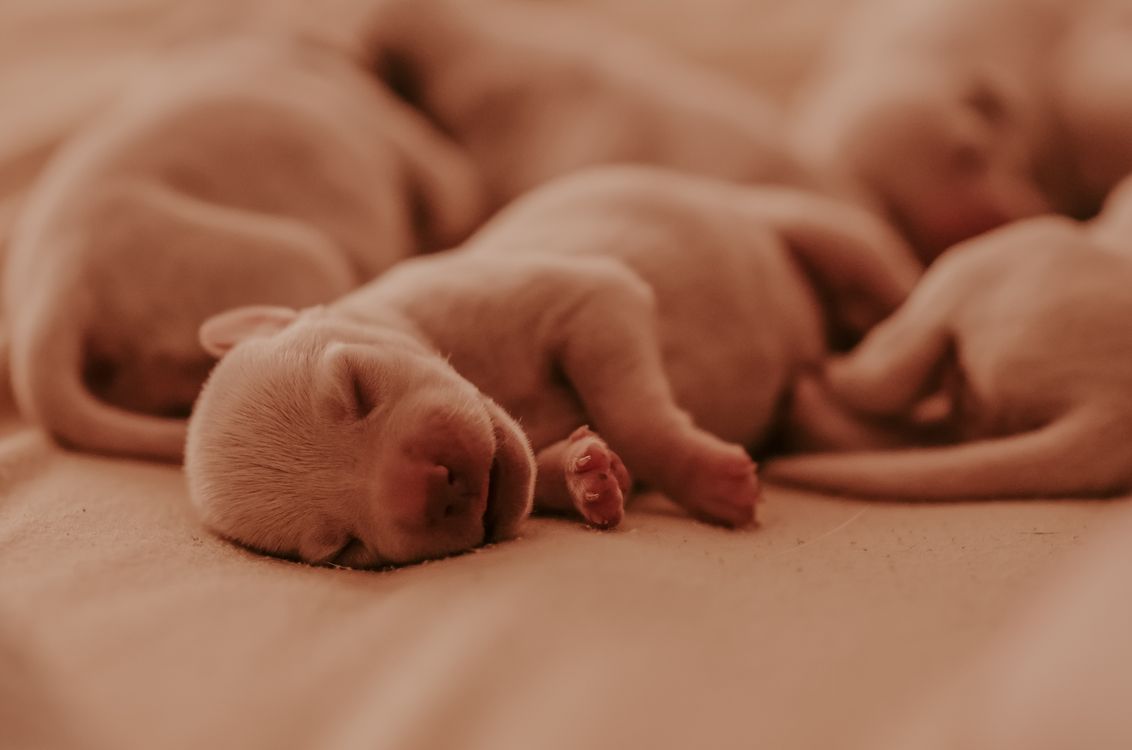
One finding matters for people who live with adult Chihuahuas. The newborns had a single fontanelle, at the top of the skull. Adults often have several, in spots that were closed at birth, which suggests those open later as bone remodels. The study ran in Frontiers in Veterinary Science.
What this means for your dog
If you have a Chihuahua, the soft spot is anatomy, not a quirk. Do not press on it, and do not let anyone treat the top of the head as a scratch spot. Persistent fontanelles in adults have been linked to low body weight, enlarged ventricles, syringomyelia and Chiari-like malformation. Those words belong to your vet, and they show up at home as scratching at the air or the neck, a head tilt, an unsteady walk, or a dog who yelps when lifted.
If you are picking a puppy, ask to see both parents and ask what health testing the breeder did. Skull shape is inherited, and this study says it is set before the puppy opens its eyes. Shape decides how a dog breathes and moves for the next fifteen years, the way body size sets the clock on aging.